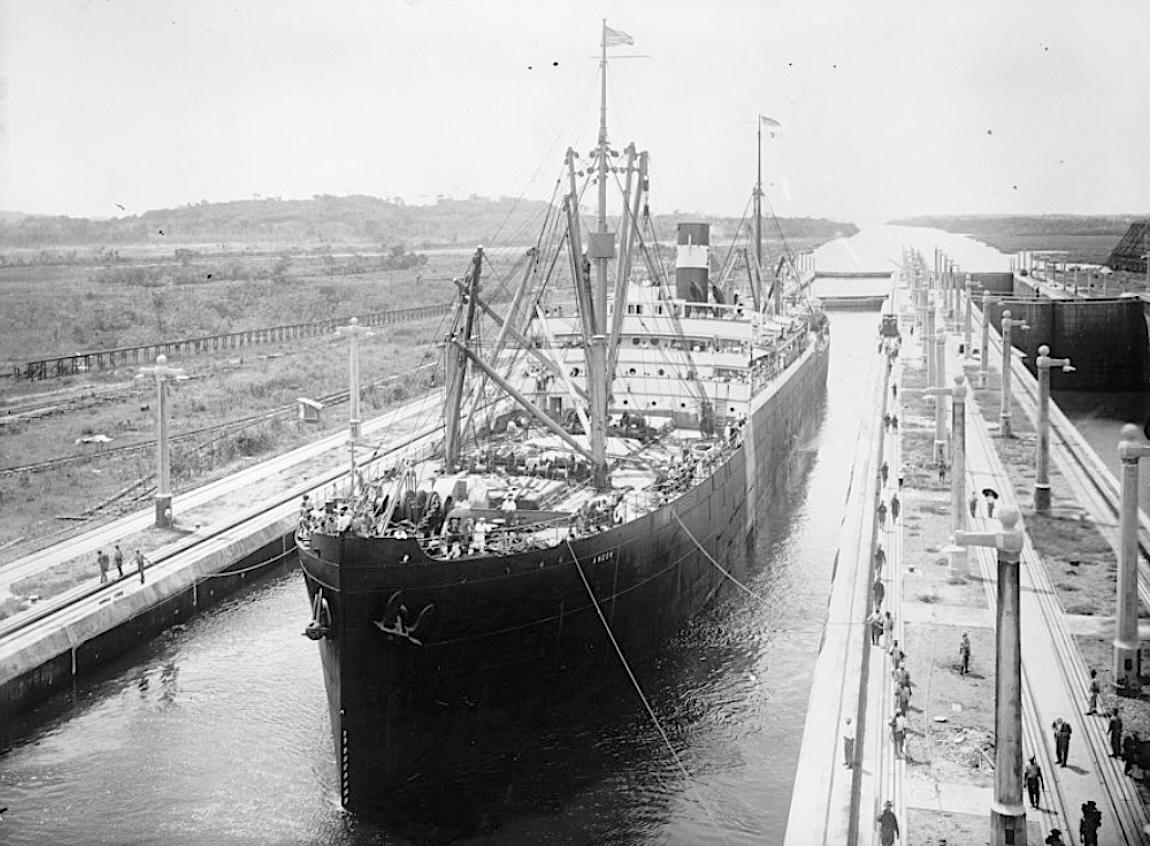
The successful completion of the Panama Canal on April 1, 1914 stands as one of the most significant moments in the development of the West Coast shipping industry, and, in particular, the development of the newly minted Port of Los Angeles, founded just seven years earlier.
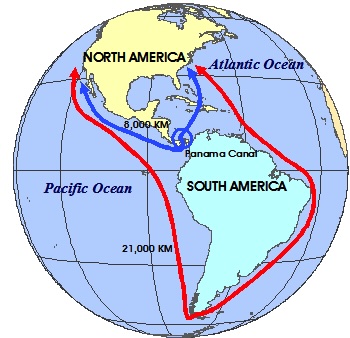
The idea of linking the Atlantic and Pacific oceans to facilitate the transport of goods without ships having to navigate all the way around South America was far from new. Explorer Vasco de Nunez Balboa has been credited with suggesting the idea in 1513, though no action was taken on his idea at the time.
France made a serious attempt to connect the Atlantic and Pacific via a canal through the Isthmus of Panama in the late 1800s. Construction on the project began in 1881, but it was plagued with financial and logistical troubles from the start.
An estimated 20,000 canal workers died from malaria, yellow fever and other tropical diseases, and the French effort eventually went bankrupt.
In 1904, following the urgings of President Theodore Roosevelt, the U.S. purchased the rights to the canal project from France, and construction began in May of that year.
The Americans building the canal found ways to reduce deaths from the diseases that had plagued the French effort, and far fewer workers perished because of them.
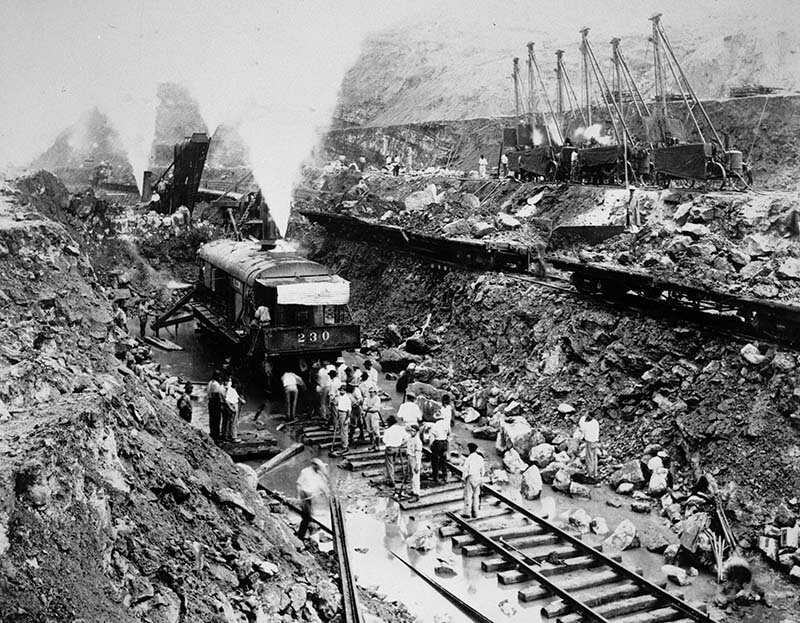
The mammoth construction project took a decade to complete, and cost in the neighborhood of $375 million, or $11.8 billion in 2025 dollars. But it was worth it: the trip through the canal reduced the length of the voyage from New York City to San Francisco from 13,000 miles to 5,200 miles.
Even though the official opening wouldn’t take place until months later, Harbor Day celebrations were held in honor of the canal’s completion in San Diego on March 28 and at the Port of Los Angeles on April 11.
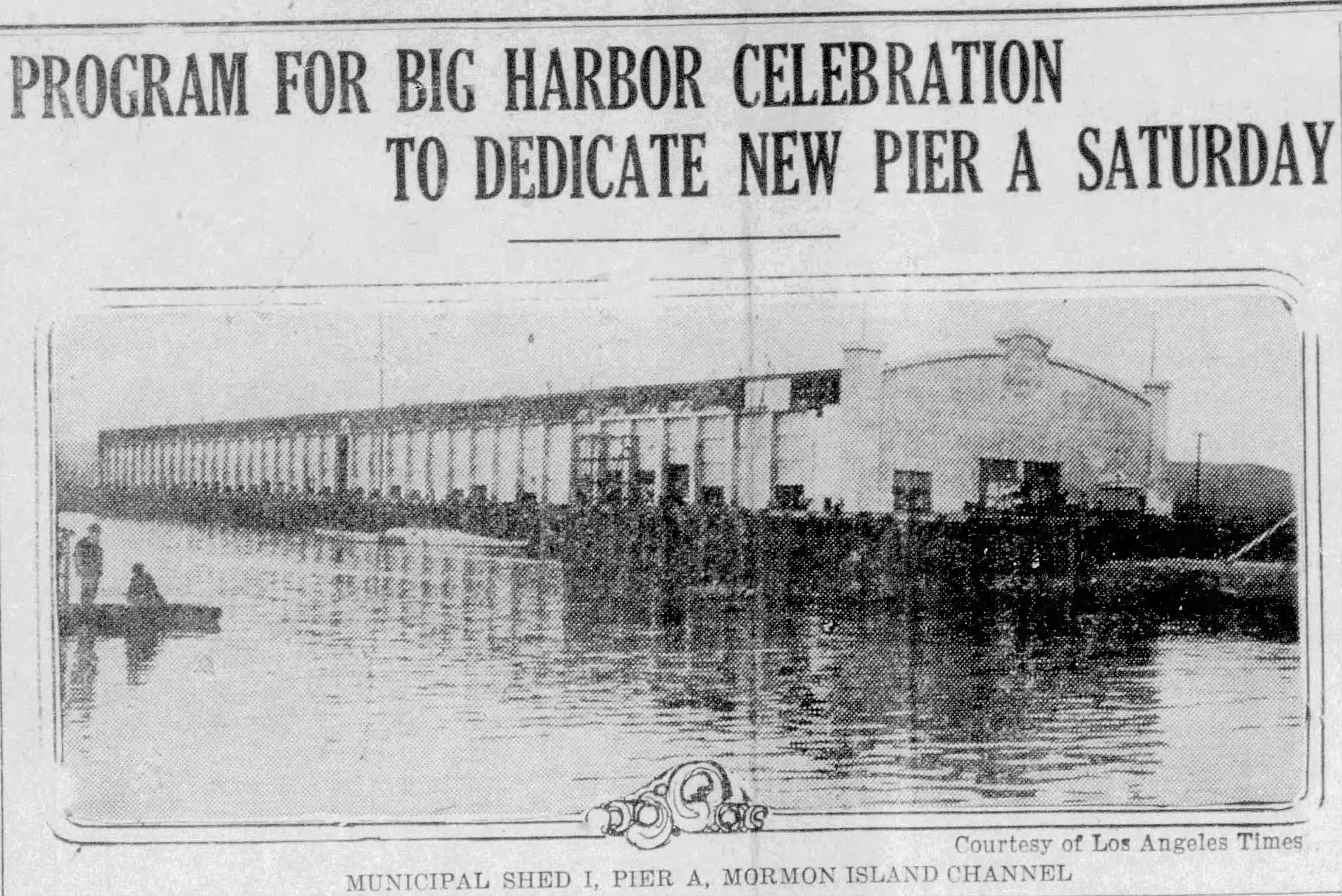
30,000 people attended the April 11 festivities near the Port’s commercial wharf and warehouse at Pier A in Wilmington, which were the first structures built to accommodate freighters coming west through the canal.
Former Port of Los Angeles executive director and Port history expert Geraldine Knatz recounts in an article on the Palos Verdes Pulse website how actor-director Charlie Chaplin used the occasion to make a short silent film, “A Busy Day.”
Chaplin dressed in drag for the comic role. The film included footage of the lengthy parade that was part of the celebration, along with harbor scenes.
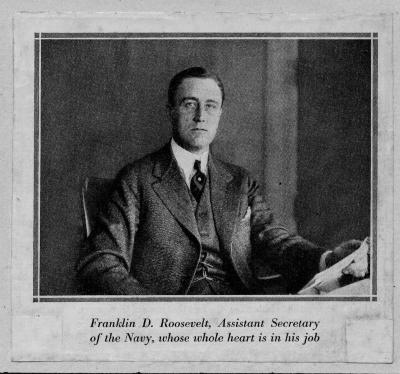
Harbor Day also included speeches by Los Angeles Mayor Henry Rose and Assistant Secretary of the Navy Franklin Delano Roosevelt, a distant fifth cousin of canal booster Teddy Roosevelt.
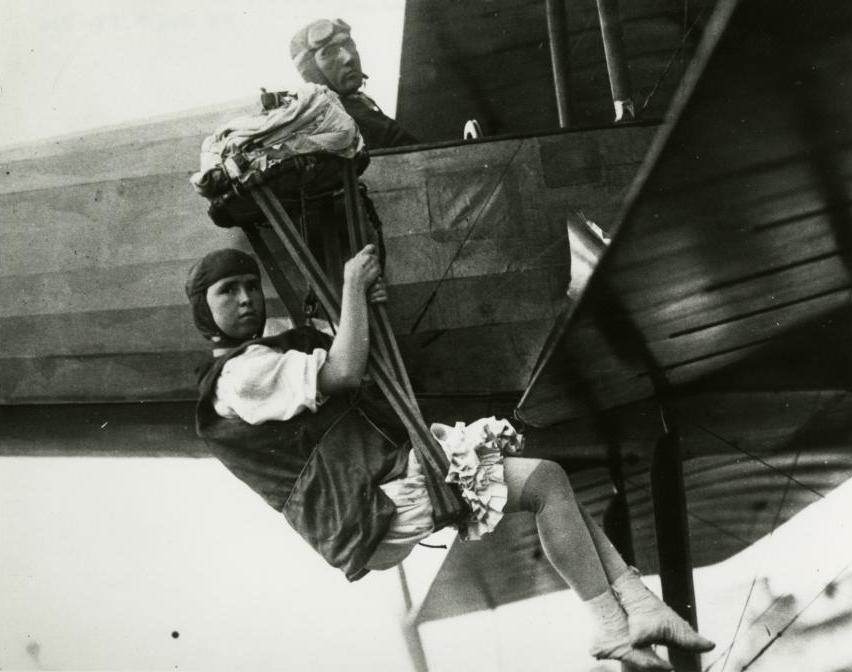
The large crowd also came to see aviator Glenn Martin drop a four-foot-tall woman skydiver named Tiny Broadwick from his plane into Los Angeles Harbor. Broadwick had gained fame by becoming the first woman to skydive from an airplane a couple of years earlier.
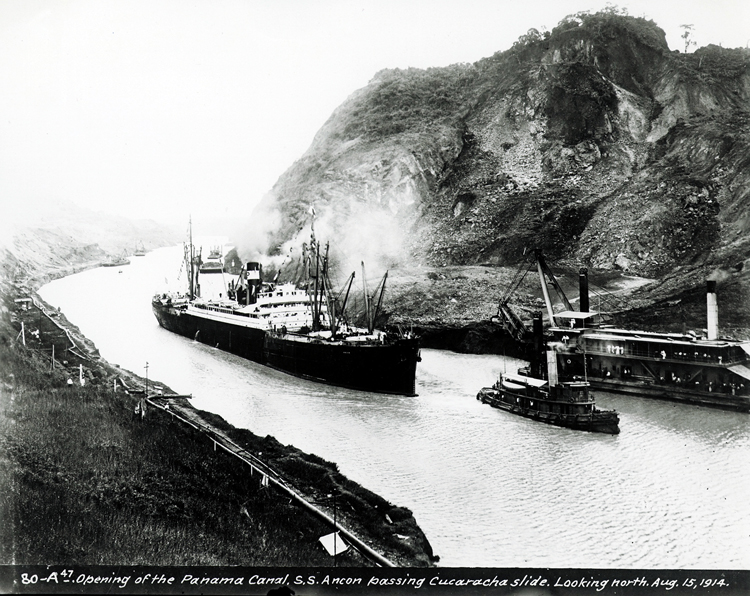
And all that was just to celebrate the canal’s completion. Though some ships had traversed the waterway to test its efficacy beforehand, the official opening of the Panama Canal to ocean traffic wasn’t scheduled to take place until August 15, 1914.
One can imagine the larger celebrations that might have occurred on or around that date had world events not intervened in the interim.
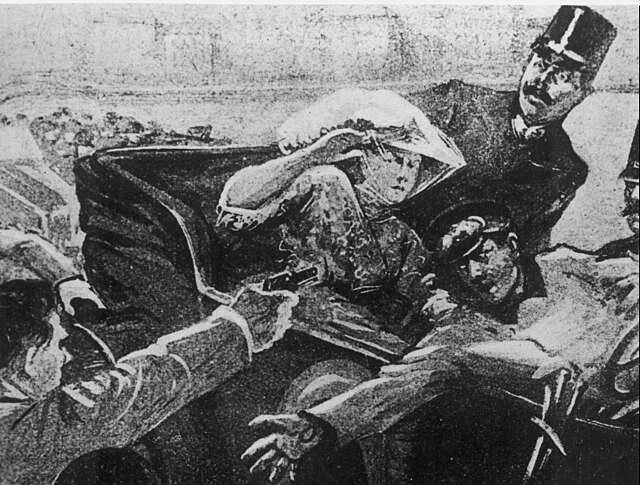
Tensions had been growing higher in Eastern Europe during 1914, and they exploded on June 28, 1914. On that day, Archduke Franz Ferdinand of Austria was assassinated in Sarajevo, the capital of Bosnia and Herzegovina by Gavrilo Princip, a Bosnian Serb who opposed Austria’s recent annexation of his country.
The political assassination sparked the onset of World War I on the European continent, and put a serious damper on potential celebrations surrounding the official opening date of the canal slated for Aug. 15, 1914.
Ceremonies were muted on that day when the Boston Steamship Company’s ship the SS Ancon officially became the first freighter to complete the passage through the locks.
Full-scale celebrations saluting the opening of the Panama Canal were shifted to early 1915, when both San Diego and San Francisco held large-scale fairs in its honor.
San Diego’s Panama-California Exposition opened in what is present-day Balboa Park on Jan. 1, 1915. It gave the city a chance to tout itself as the first port of call for ships coming westward through the canal.
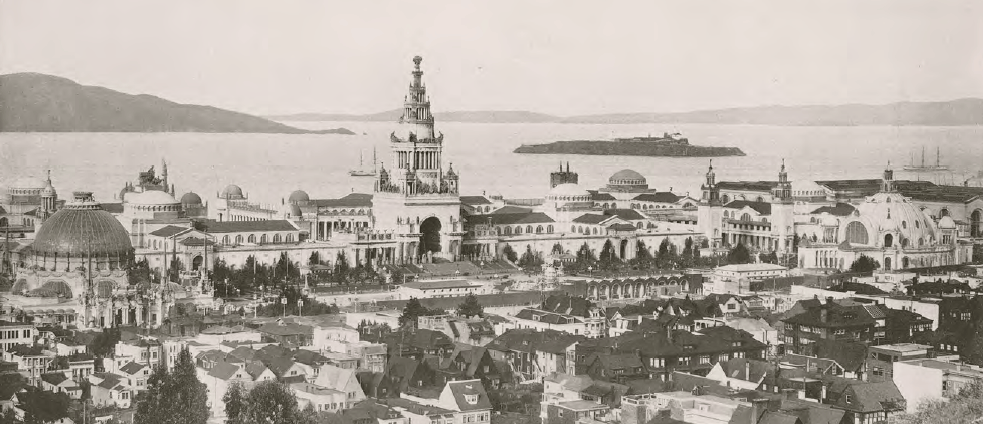
San Francisco went even further overboard with its Panama-Pacific International Exposition, which opened on Feb. 20 that year. The Exposition was a full-on world’s fair with permanent exhibit buildings, some of which are still in use.
Los Angeles didn’t hold any such large-scale celebrations, leaving that to its neighbors to the north and south. But hundreds did welcome the passenger steamship Great Northern upon its arrival in Los Angeles Harbor on Feb. 11, 1915, after it became the first passenger ship to pass through the Panama Canal.
Sources:
Daily Breeze archives.
“The Day Charlie Chaplin and Aeronaut Tiny Broadwick Came to Los Angeles Harbor,” by Geraldine Knatz, Palos Verdes Pulse website, Nov. 8, 2020.
“A History of the Panama Canal,” by Anthony York, Brooks Bell website, Aug. 9, 2025.
Los Angeles Herald archives.
Los Angeles Times archives.
“The Opening of the Panama Canal,” U.S. Army Corps of Engineers website.
San Pedro News Pilot archives.
Wikipedia.