
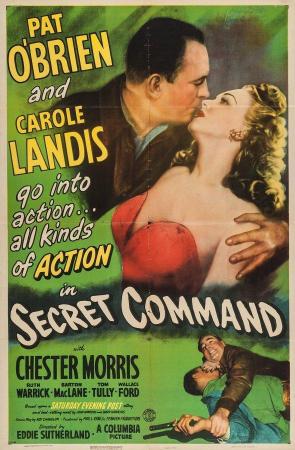
A recent viewing of the admittedly obscure 1944 film “Secret Command,” during which Pat O’Brien goes undercover in a defense plant to expose Nazi saboteurs, inspired this look at how the fear of sabotage was a major concern during the 1930s and 1940s.
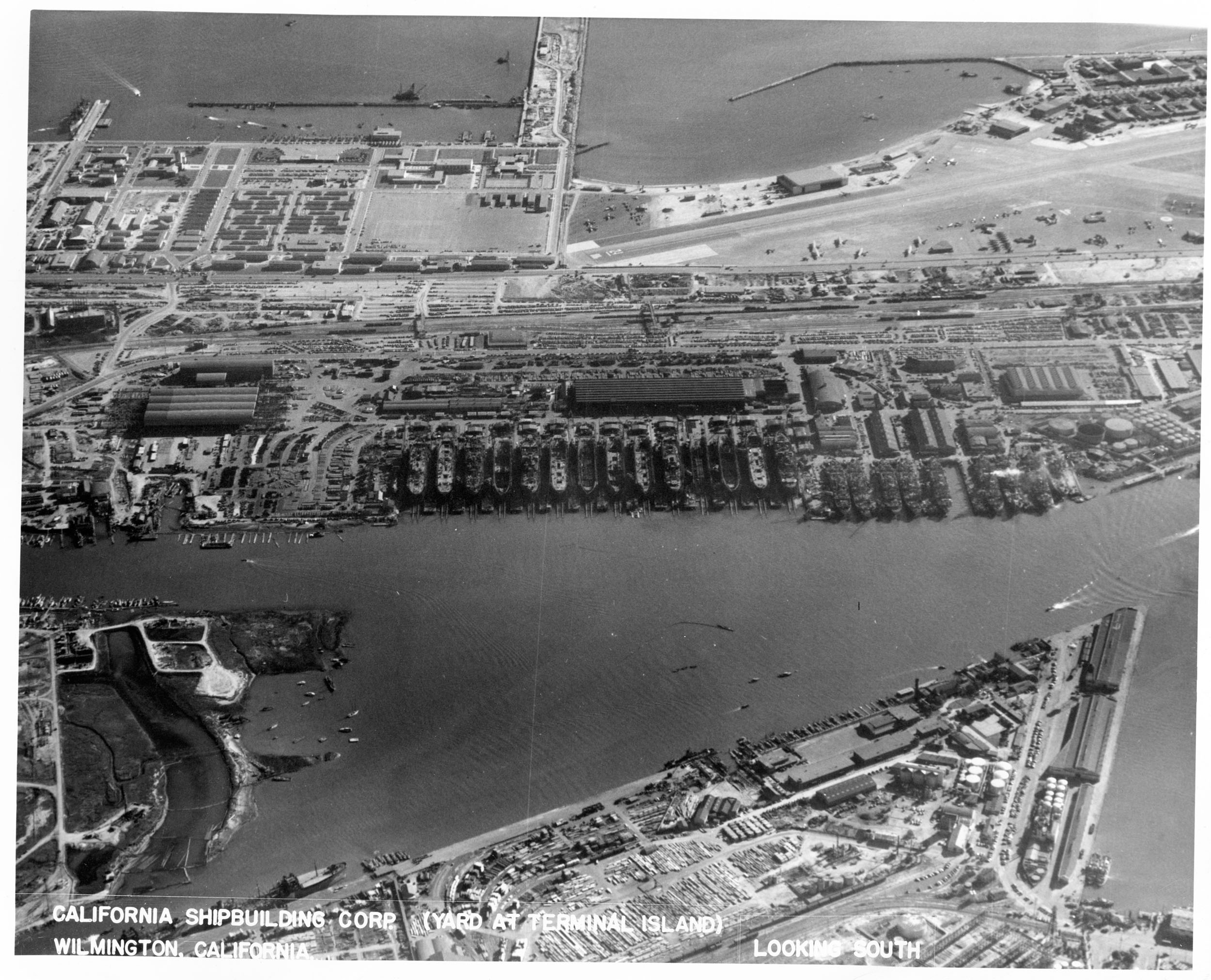
The film is a routine thriller, but is of historic interest. Much of it was filmed at the California Shipbuilding Corp., a wartime defense plant on Terminal Island, giving the action scenes an authentic feel. It may not rise to the level of Alfred Hitchcock’s similar “Saboteur” from 1942, but it’s worth seeing.
By the time “Secret Command” was released, war-weary Americans had been well-schooled on the dangers of foreign infiltrators attempting to affect the outcome of the war by attacking and disabling key links in the defense industry’s supply chain.
Though the U.S. would not officially enter World War II until after the Pearl Harbor attack on Dec. 7, 1941, the country had been gearing up for war, and, through initiatives such as the Lend-Lease Act, providing weapons and supplies for the Allied forces already at war.
The German government was all too aware of this, and made the decision to try to stymie the Stateside supply line. Reports of active foreign saboteurs in the U.S. began to increase in the years following Hitler’s ascension to power in 1933.
By the late 1930s, U.S. government authorities had begun taking steps to protect vital links in the supply chain. These included guarding such obvious targets such as shipyards and aircraft plants, and secondary ones such as oil and water pipelines and power plants.
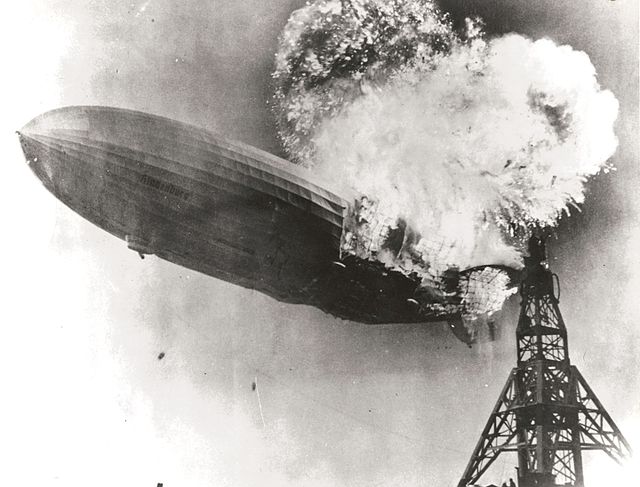
Justifiable government paranoia also increased. Sabotage began to be suspected for every man-made disaster that occurred, including the Hindenburg airship fire and crash in New Jersey in 1937.
Closer to home, an October 1940 explosion that killed two employees at the Torrance oil refinery, then owned by General Petroleum Co., immediately was investigated for sabotage. The fears were allayed when no such evidence was found.
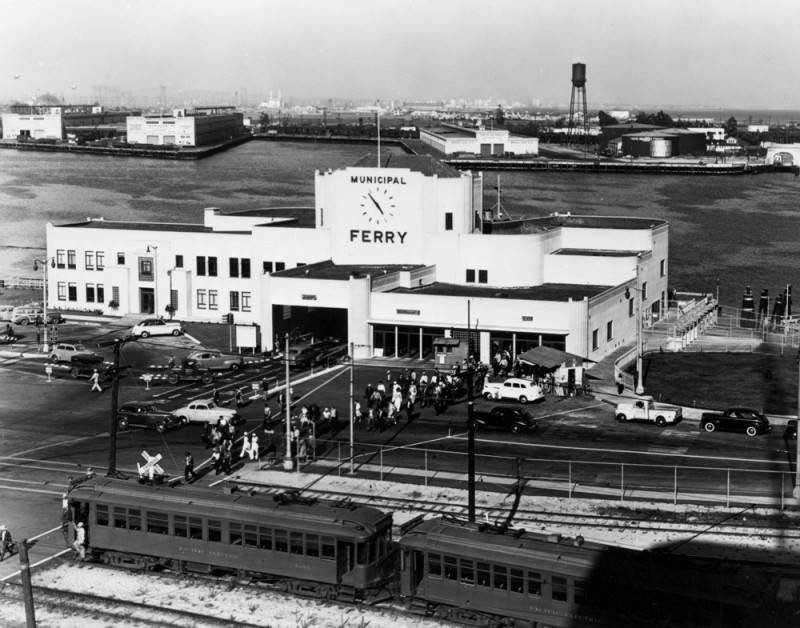
In September 1941, fears were raised that Terminal Island ferry boat engine failures had been caused by sabotage. The ferry service, later replaced by the Vincent Thomas Bridge, carried hundreds of workers to defense industry jobs. An investigation proved the fears unfounded.
Increasingly violent labor disputes and strikes during the pre-war era also muddied the waters. A 1941 strike by a CIO (Congress of Industrial Organizations) union at the North American Aviation plant near then-Los Angeles Municipal Airport was construed by some as sabotage.
President Roosevelt felt compelled to send in military troops to guard the factory during the dispute, but no evidence was offered that it was a deliberate sabotage attempt.
Calls to protect American assets from sabotage became more strident during 1941. According to the Daily Breeze, U.S. Navy Captain Richard Coffman told Los Angeles civil defense officials at a May 23 meeting that the L.A. area was very vulnerable to attack, especially the Harbor Area’s shipyards.
He also noted that 40 percent of America’s aircraft manufacturing operations were located within a 40-mile radius in Los Angeles County.

Japan’s Pearl Harbor attack and our subsequent entry into World War II made protecting American assets from sabotage even more of a life-and-death matter.
Tensions were heightened by the Christmas Eve 1941 torpedo attack by a Japanese submarine that damaged the steamship Absaroka in the waters off Point Fermin. Civilian and military guards were posted at shipyards and other defense plants in the Harbor Area starting in January 1942.
The hysteria reached a peak at “The Battle of Los Angeles” on the night of Feb. 24, 1942, when anti-aircraft guns lit up the skies, triggered by an unknown source (perhaps a weather balloon) perceived to be invading Japanese aircraft. No invasion or trace of air attackers was determined.
Still, the presence of a large Japanese settlement on Terminal Island was considered a grave security danger. In February 1942, residents were rounded up and sent to internment camps and the village was leveled.
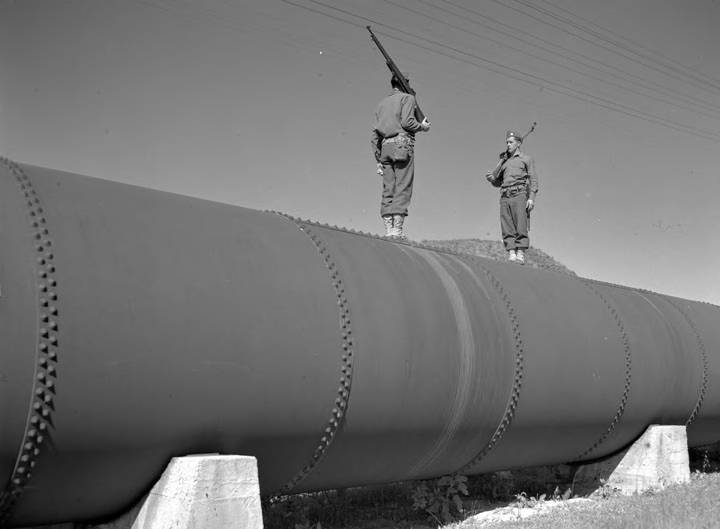
In April 1942, the Los Angeles Department of Water and Power began using soldiers from the California National Guard to guard its utility pipelines and power plants in the Los Angeles area from potential saboteurs. Troops kept watch along the Los Angeles Aqueduct and at dams and power plants operated by the DWP.
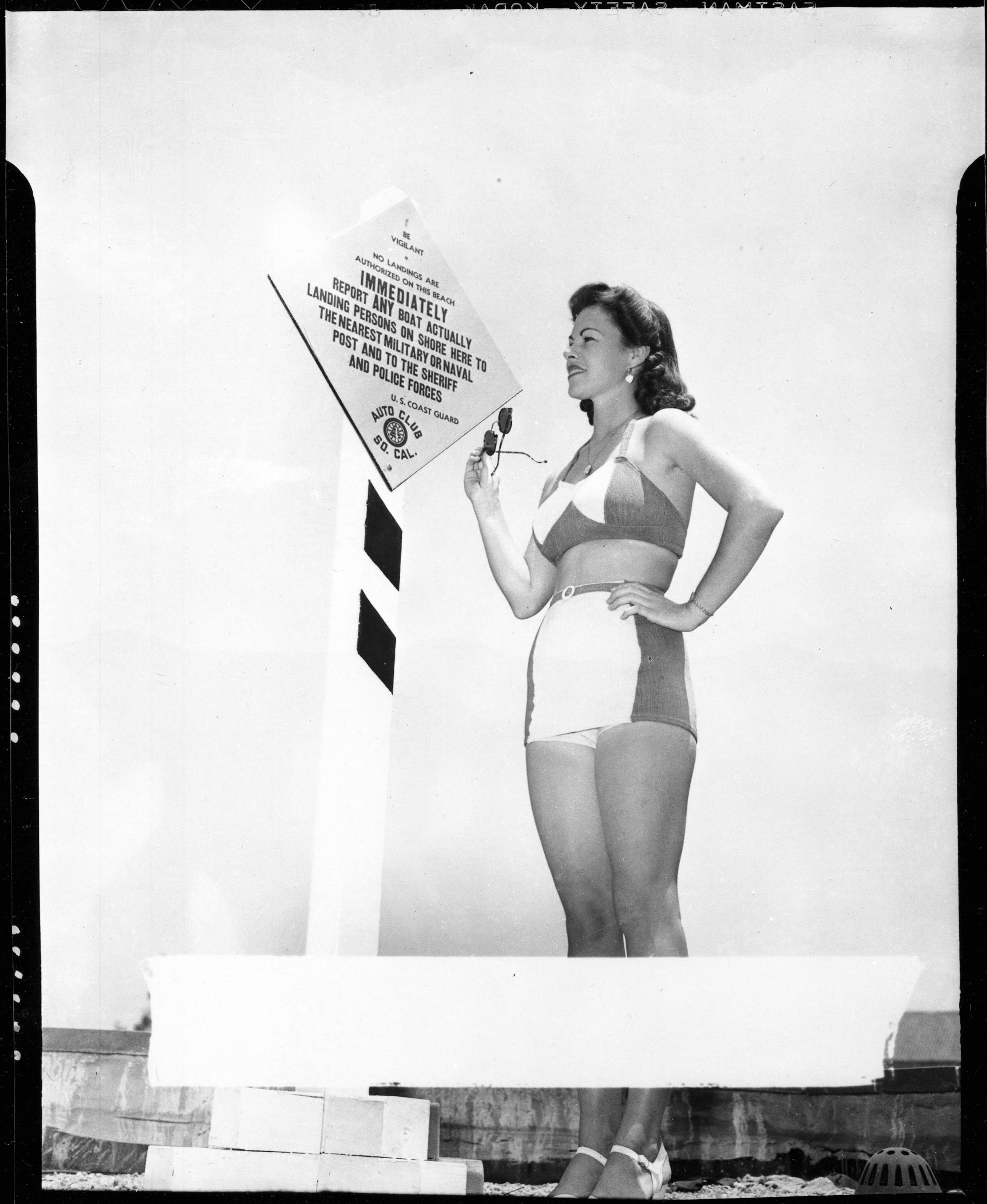
Vigilance at Los Angeles County beaches also increased. While the beaches were still open to the public, hours were restricted, lights or fires after sundown were banned, and visitors were asked to report any vessels landing on beaches from the sea.
Unathorized landings turned out to be a greater problem on the East Coast. In June 1942, two separate incidents occurred where German infiltrators were apprehended after submarines dropped them off on beaches in New York and Florida with plans for sabotaging defense locations.
Meanwhile, back at the defense plants, the government and plant owners redoubled their calls for hyper-vigilance concerning sabotage through posters, notices and regular meetings describing the methods and identifying the warning signs of potential saboteurs. The public also was well-advised to be on the lookout as well. The campaigns lasted until the end of the war in 1945.
Sources:
Daily Breeze archives.
“History: Nazi Saboteurs and George Dasch,” FBI website.
Los Angeles Times archives.
San Pedro News Pilot archives.


