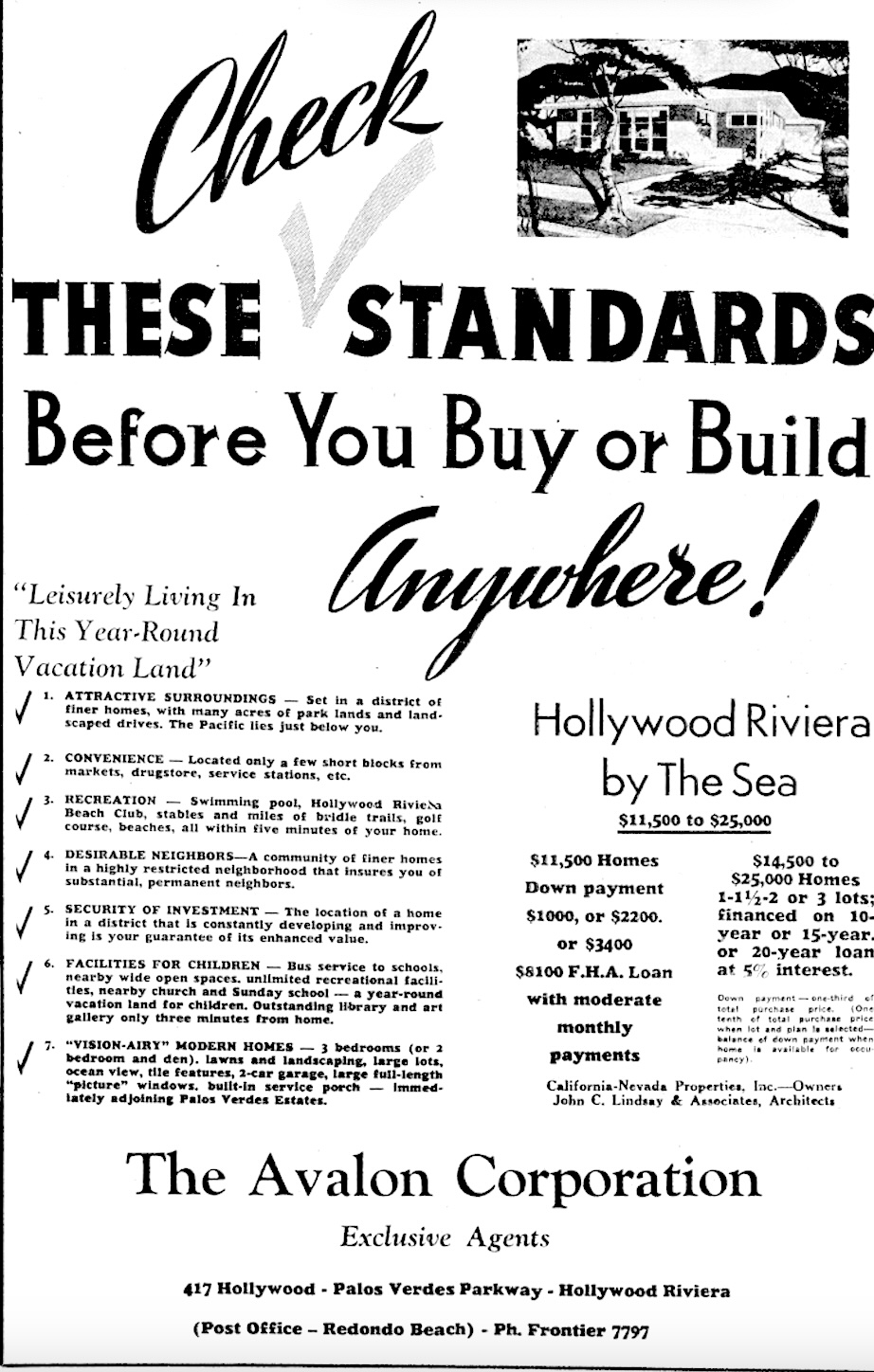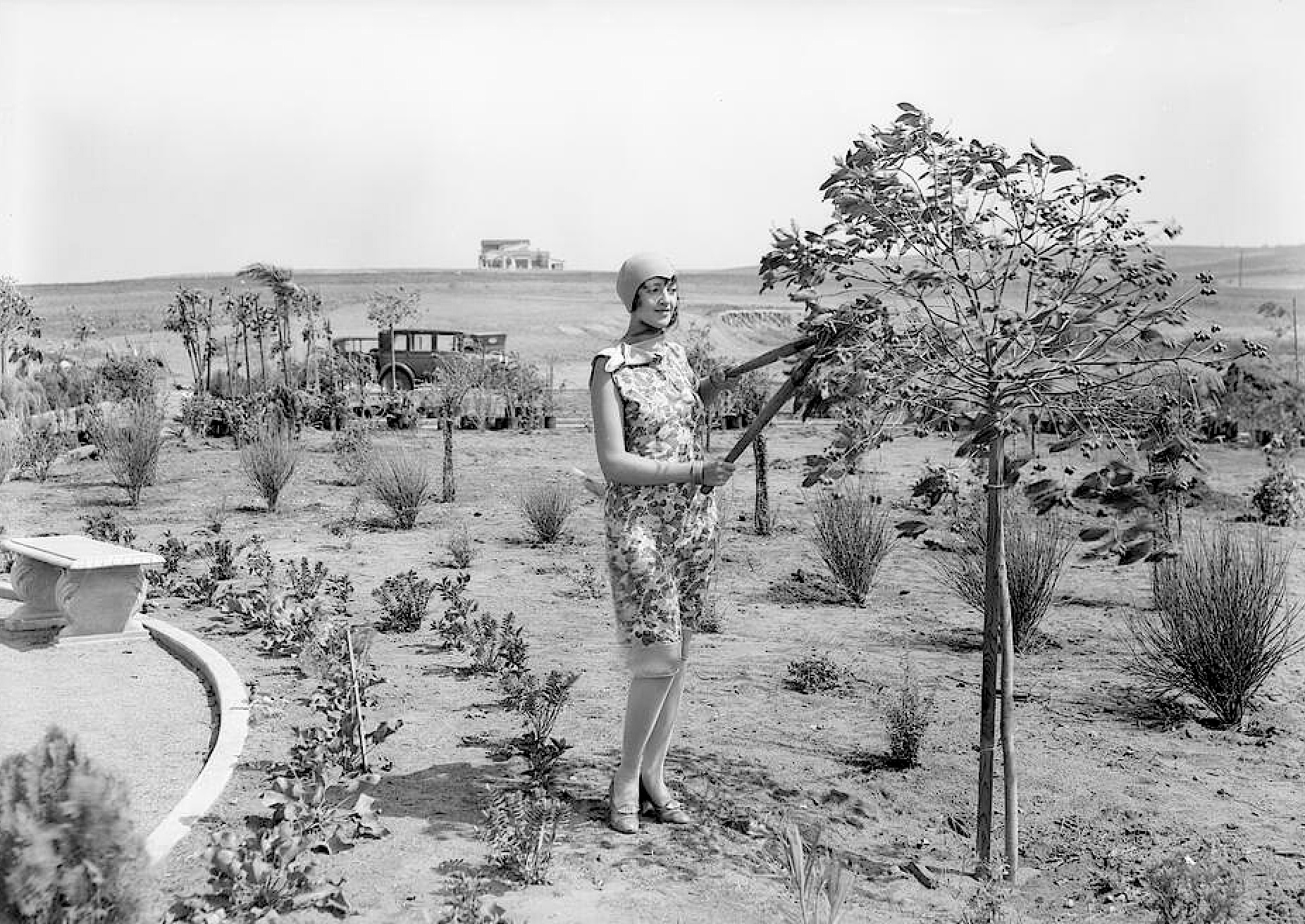
Clifford Fletcher Reid was born in McMinnville, Oregon, in 1883. His first business venture after dropping out of college involved selling stereopticon cards. He turned out to be a natural salesman.
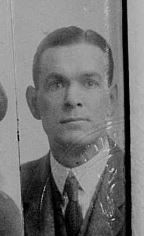
After marrying and moving to Portland, he found real estate suited his marketing skills. The vibrant market in the Los Angeles area in the early 1900s drew the Reids south, and Clifford established a real estate business on Western Ave. near 6th St. in Los Angeles.
The Clifford Reid Co. sold lots in Los Angeles, Burbank and the then-booming San Fernando Valley. Reid became very interested in the South Bay once he caught wind of the development of the Palos Verdes Peninsula in the early 1920s.
Upon scouting the area, he became convinced that the barren low foothills between southern Torrance and Redondo Beach would make for a phenomenal luxury development. He foresaw building homes on the elevated fields that would all have a European Riviera-like view of the nearby shoreline.
In 1926, he purchased 640 acres of unincorporated land in the area from the Huntington Land Co. and began pursuing his vision. It was a grandiose one: he felt sure he could attract Tinseltown movie stars and executives to the new development, which he optimistically named “Hollywood Riviera.”
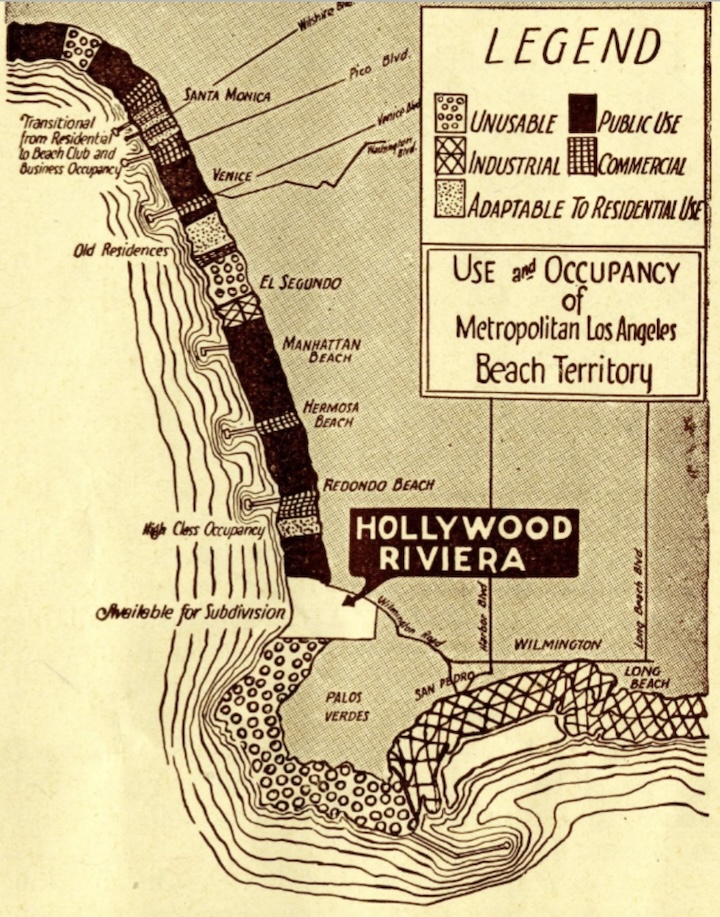
The area was considered to be fairly remote at the time, but Reid felt that a highway could be built linking it to Los Angeles. He and others began pushing the Hollywood-Palos Verdes Parkway, a major thoroughfare that would link the South Bay to the southern edge of Los Angeles, and from there, 10 miles further north to Hollywood.
For a variety of reasons, including the arrival of the Depression, the Parkway was never completed. Torrance and Redondo Beach eventually did build a section of the roadway from Sepulveda Blvd. to Palos Verdes Drive North, the present-day Palos Verdes Boulevard.
The city of Torrance was in an acquisitive phase during the 1920s, and scooped up most of Reid’s development area as part of its Meadow Park annexation approved on Jan. 18, 1927. The large chunk of land, 5.91 square miles, stretched from Crenshaw Blvd. west across the southern portion of the city all the way to the Pacific Ocean, giving the city its own beach.
Another factor which drew attention to the Hollywood Riviera, which Reid originally called “Hollywood Shores,” was the nearby glider field. The 1929 American Glider Meet attracted 30,000 spectators, many of whom looked over Reid’s new development while they were there.
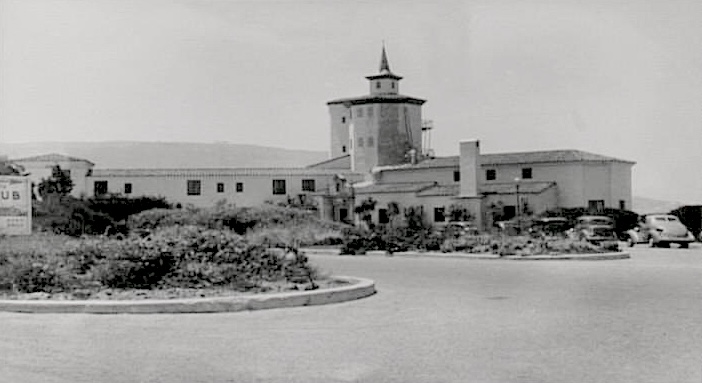
On Feb. 18, 1927, Reid formally announced his $15 million development plan. In addition to homesites, it included a communal clubhouse for residents, the Hollywood Riviera Beach Club. The club was set on a bluff overlooking the Pacific, and opened in 1931. It burned down in 1958, and the beach below it still is known as “Burnout Beach.”
Another inducement, an 18-hole miniature golf course, was added near the Beach Club in 1930. In addition, the development also included a full-size driving range.
A grand opening celebration and fiesta for the Hollywood Riviera was held on March 4, 1928.
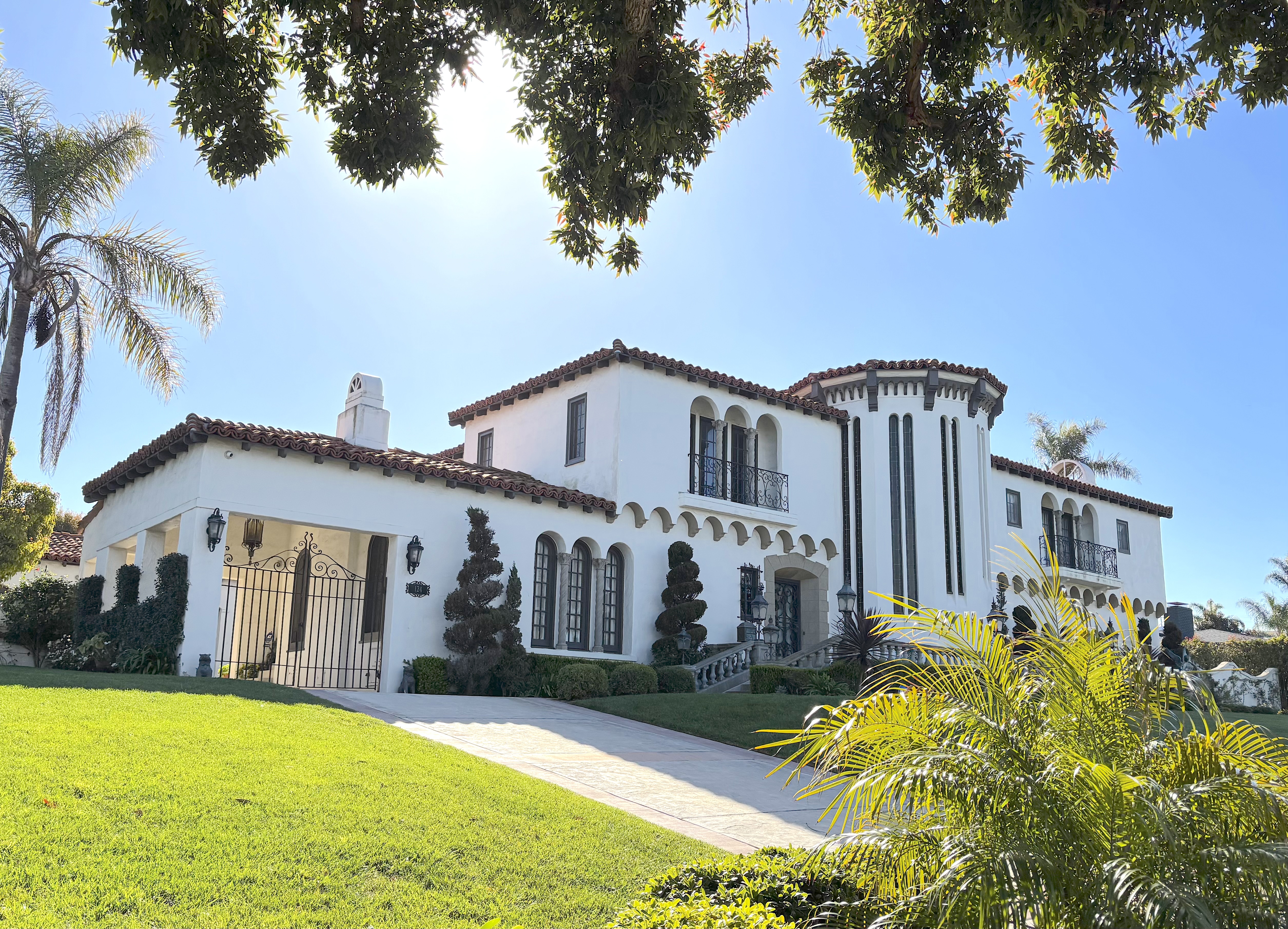
The first house Reid built was his own mansion on Via Monte d’Oro, which still stands. The 6,700-square-foot home included a central round tower with spectacular coastal views. He used the house and its surroundings as a showplace to woo prospective buyers.
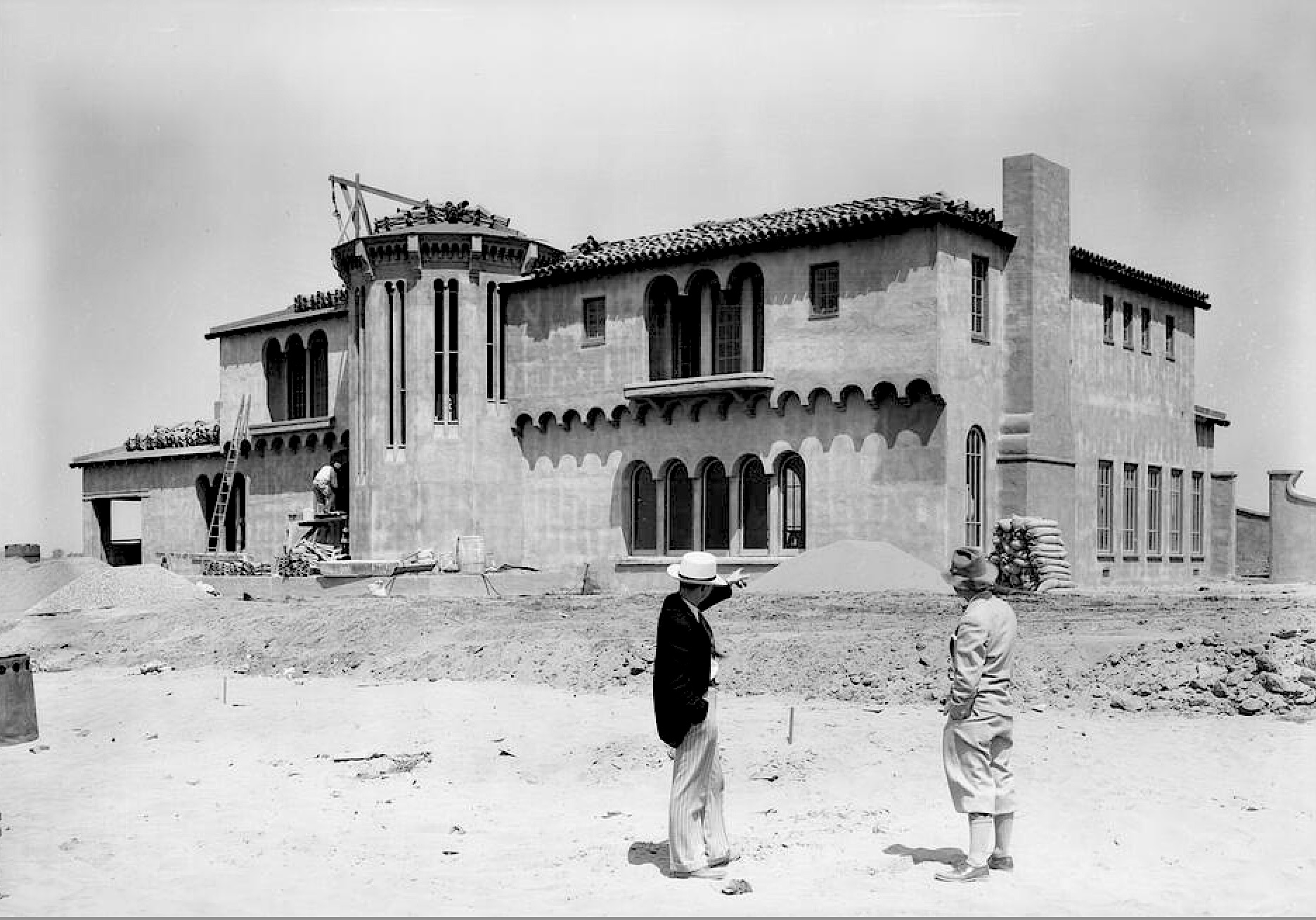
Taking its cue from nearby Palos Verdes Estates, an art jury was formed to enforce the mandate that all houses be built in the Mediterranean cottage style with red tile roofs. The streets were given exotic names evoking the Spanish Riviera, also known as the Costa del Sol.
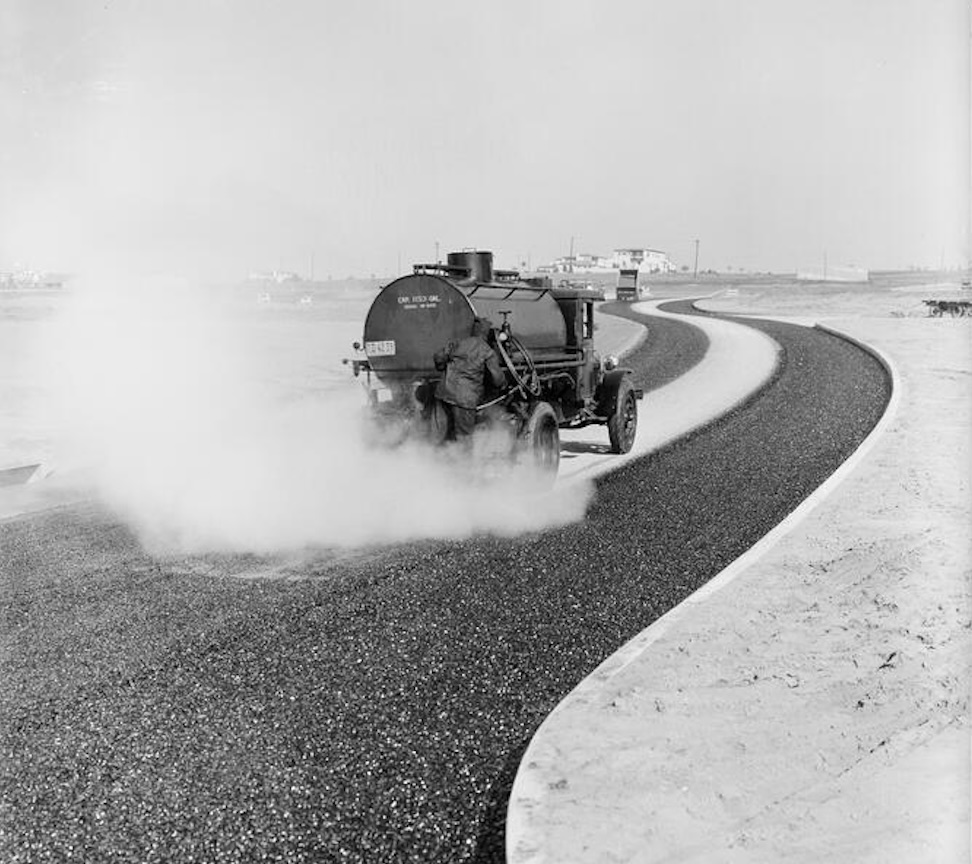
Paving those “vias,” “avenidas” and “calles” turned out to be a challenge. Mule teams were used to pull the grading and paving machines up and down the hillsides. In order to preserve scenic views, utility wires were buried underground, an unusual innovation at the time.
Many Hollywood stars did make the pilgrimage to Torrance to hear Reid’s sales pitch, including Gary Cooper, John and Ethel Barrymore, Clara Bow, Marion Davies and Clark Gable. For years it was rumored that Mae West had bought a house there.
All of them may have come to the Riviera at one time or another to check it out, but actress Rosemary DeCamp was the only Hollywood star to buy a home and settle down there, along with her longtime husband, Judge John Shidler. She died in 2001.
MGM mogul Louis B. Mayer supposedly was interested in building a home there, but that never happened, either. Home ownership in Reid’s development was “restricted,” with no minorities allowed. This ruled out Mayer, who was Jewish.
Lot sales started out well until the stock market crash and ensuing depression hit. By the late 1930s, they began to pick up again, but World War II cooled the real estate market once more. By the early 1940s, only a few dozen lots had been sold.
The development was revived by the postwar baby boom and the rise of the aerospace industry in the South Bay, whose many workers needed housing. Sales also picked up considerably after the restrictions on what style of houses could be built were removed.
Reid sold out his share in the development in 1947, though he continued to live in his home on Via Monte d’Oro. He died at 71 on June 3, 1955.
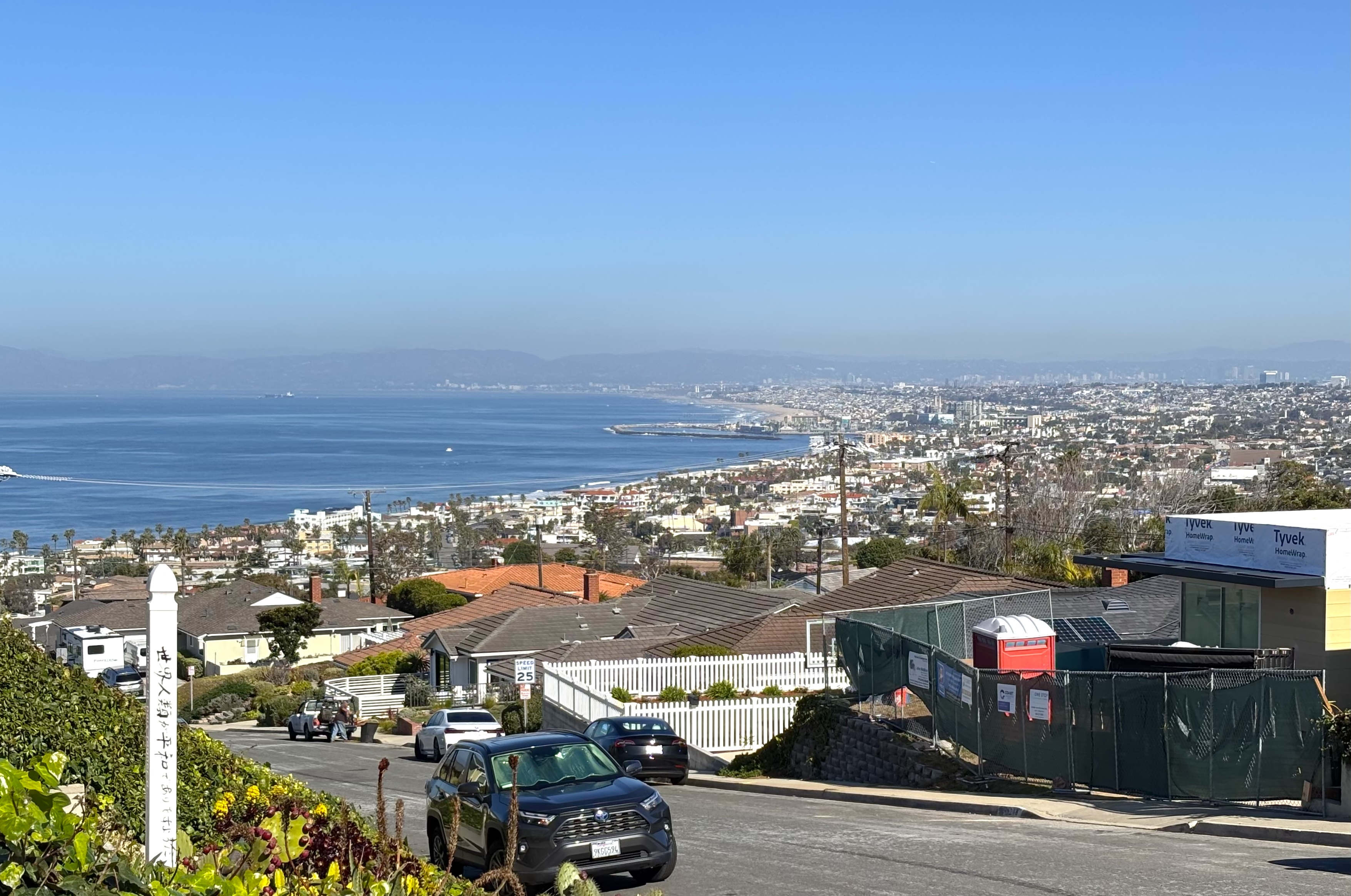
Hundreds of homes built during the 1950s eventually filled out the Hollywood Riviera, partially fulfilling Reid’s ambitious dream. Though most of the area lies within the Torrance city limits, many of its residences have a Redondo Beach mailing address, as its residents are served by the Redondo Beach post office.
Sources:
City of Redondo Beach Historic Context Statement, by Marguerite Duncan-Abrams and Barbara Milkovich, Ph.D, Redondo Beach Planning Department, 1995.
Daily Breeze archives.
“A History of the Hollywood Riviera,” by Marshall E. Stewart, Redondo Riviera Real Estate website.
Los Angeles Times archives.
Torrance Press Herald archives.