Baseball was a big part of George Vico’s life, both before and after he retired from the game.
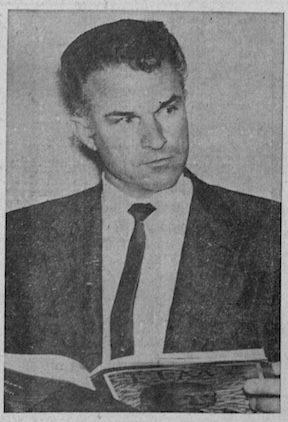
He was born to Serbian immigrant parents in San Fernando, Calif., on Aug. 9, 1923. The 6-foot-4 Vico turned out to be a natural athlete whose first love was baseball.
The left-handed batting first baseman began pursuing a playing career in the Detroit Tigers organization with the minor-league Class D Tigers in Fulton, Kentucky in 1941. He worked his way up to Class A ball with the Winston-Salem Twins in 1942. World War II delayed any further advancement. Vico enlisted in the U.S. Navy, serving from 1943-45.
He picked up where he left off after the war, playing for Oregon minor-league teams the Salem Senators and the Portland Beavers. He was a member of the Triple-A Beavers when he received word from the Tigers to report for spring training with the big club in early 1947.
During spring training, Vico hit over .400, but the Tigers decided he needed more seasoning, and sent him back down to the Beavers. He hit over .300 during the 1947 season with the Beavers, and his manager told the Tigers he was ready.
He began the 1948 season with the Tigers in spring training, winning the job as starting first baseman. And that’s when he made the most of his big moment.
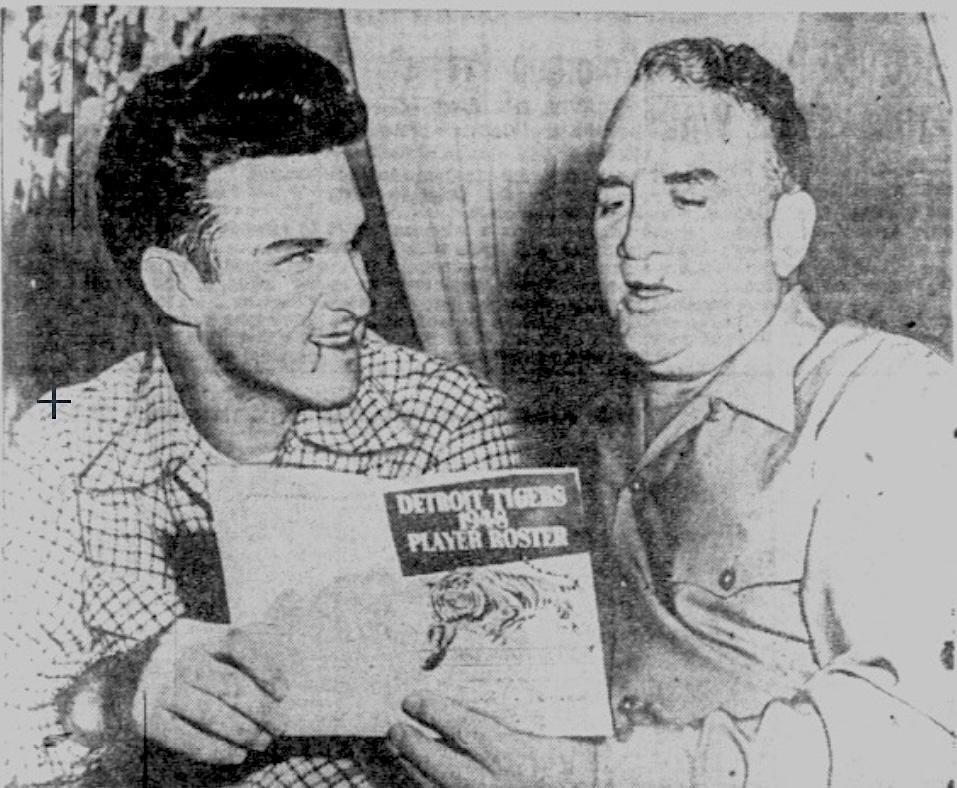
On Opening Day, April 20, 1948, Vico stepped into the batter’s box against Chicago White Sox pitcher Joe Haynes, and hit the first major league pitch he ever saw over the Comiskey Park wall for a home run. At the time, he was only the 24th player to homer in his first at-bat. (A total of 136 players have accomplished the feat as of the end of the 2024 season.)
Vico also was proud of his final game of the 1948 season, in which he had two hits against Hall of Fame pitcher Bob Feller of the Cleveland Indians.
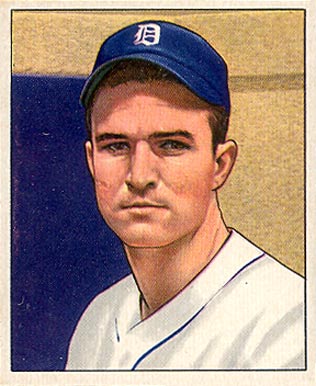
After a fine rookie season, Vico slumped during 1949, finishing with a .190 batting average. He was an excellent fielder, but the Tigers returned him to the minors. He never played in the majors again. During his two years in the majors, he played in 211 games and hit 12 home runs.
Vico continued his career in the minor leagues. He moved to Torrance in 1946, and took classes at the recently opened El Camino College when he wasn’t playing ball for teams in the storied Pacific Coast League.
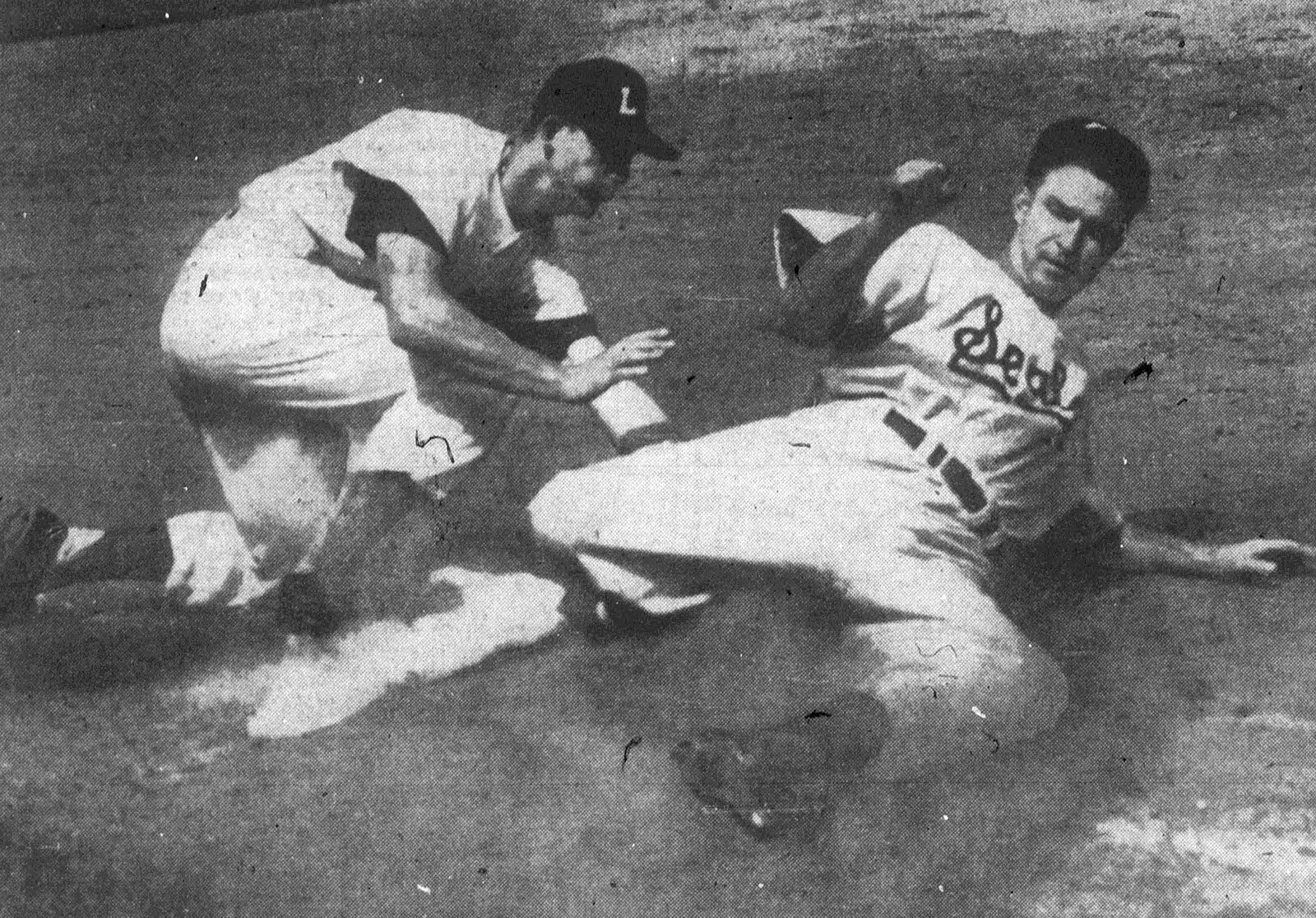
Over the years, Vico served stints with the Seattle Rainiers, San Francisco Seals, and, in 1955, the Hollywood Stars. He retired from baseball after landing a job with the Dominguez Estate Co. land management firm during the 1957 season.
As assistant land manager at Dominguez, he worked to convince the newly arrived Los Angeles Dodgers to build their stadium on a 1200-acre plot of land the company owned near 190th St. and Avalon Blvd., then unincorporated county land.
The Dodgers demurred, set on their plans to build the stadium in Chavez Ravine north of downtown. The 1200-acre site also was proposed for an unsuccessful World’s Fair bid in 1958. It later became part of Carson when it incorporated in 1968. Cal State Dominguez Hills and the Dignity Health Sports Park currently occupy the parcel.
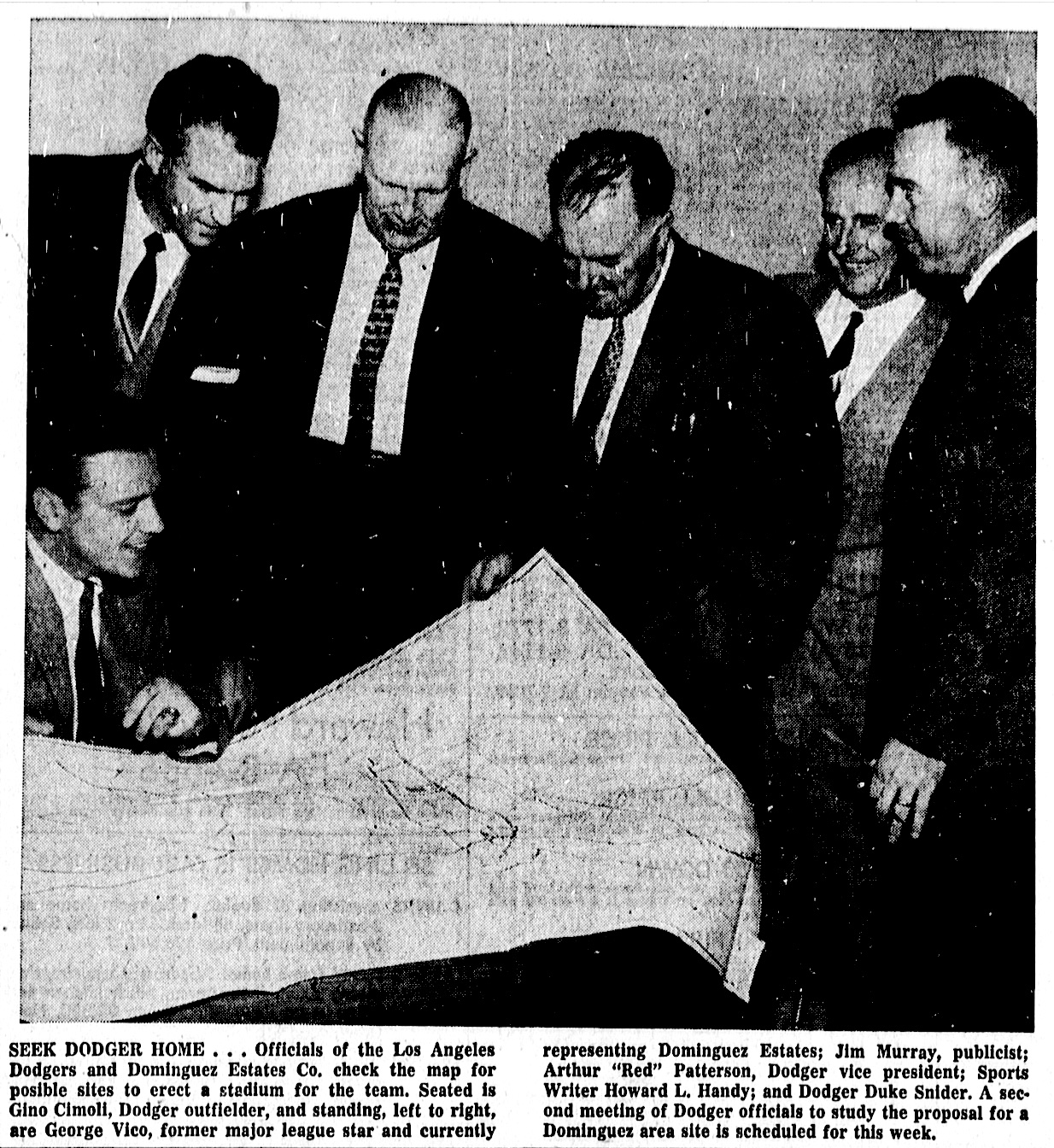
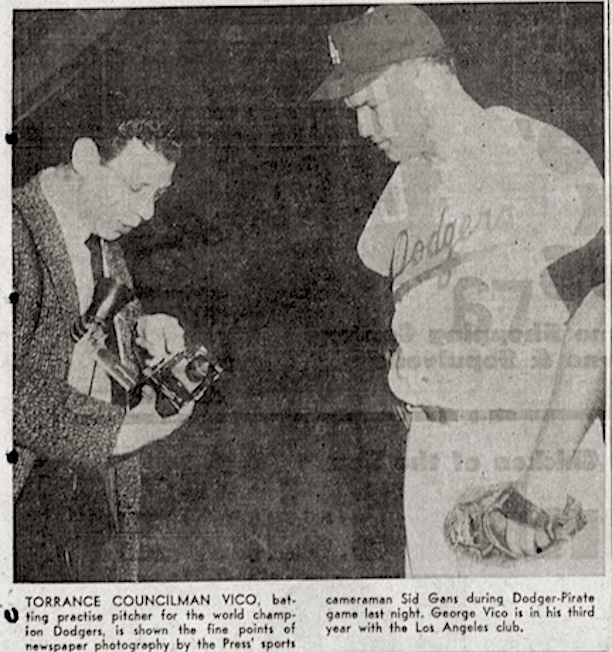
During this time, Vico also became one of the batting practice pitchers for the Dodgers, a position he held from 1958-1960.
Vico, now settled in a house with his wife Helen on Paseo de las Delicias in the Hollywood Riviera section of Torrance, announced in February 1960 that he would run for one of three city council seats in the city.
He campaigned on plans that included “the development and improvement of a recreation program for youth and adults alike,” as he told the Torrance Herald. Before the election, Vico had been instrumental in the project to convert the Entradero Sump in West Torrance into the Little League field which is still in use today.
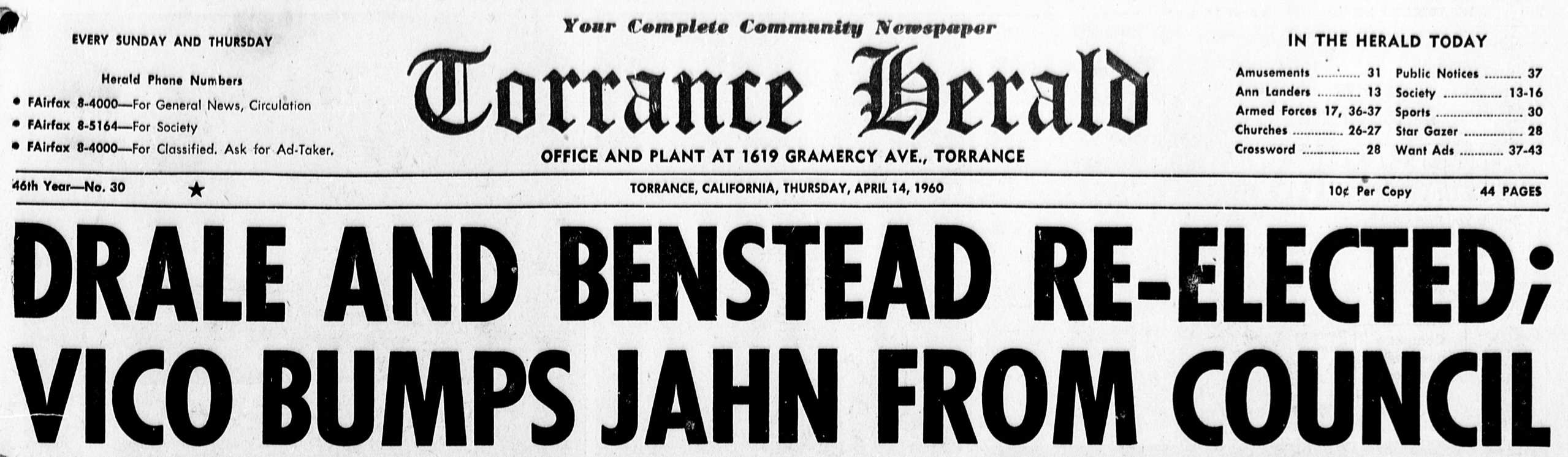
Vico won a seat on April 12, garnering nearly as many votes as incumbent Nick Drale, the top vote-getter.
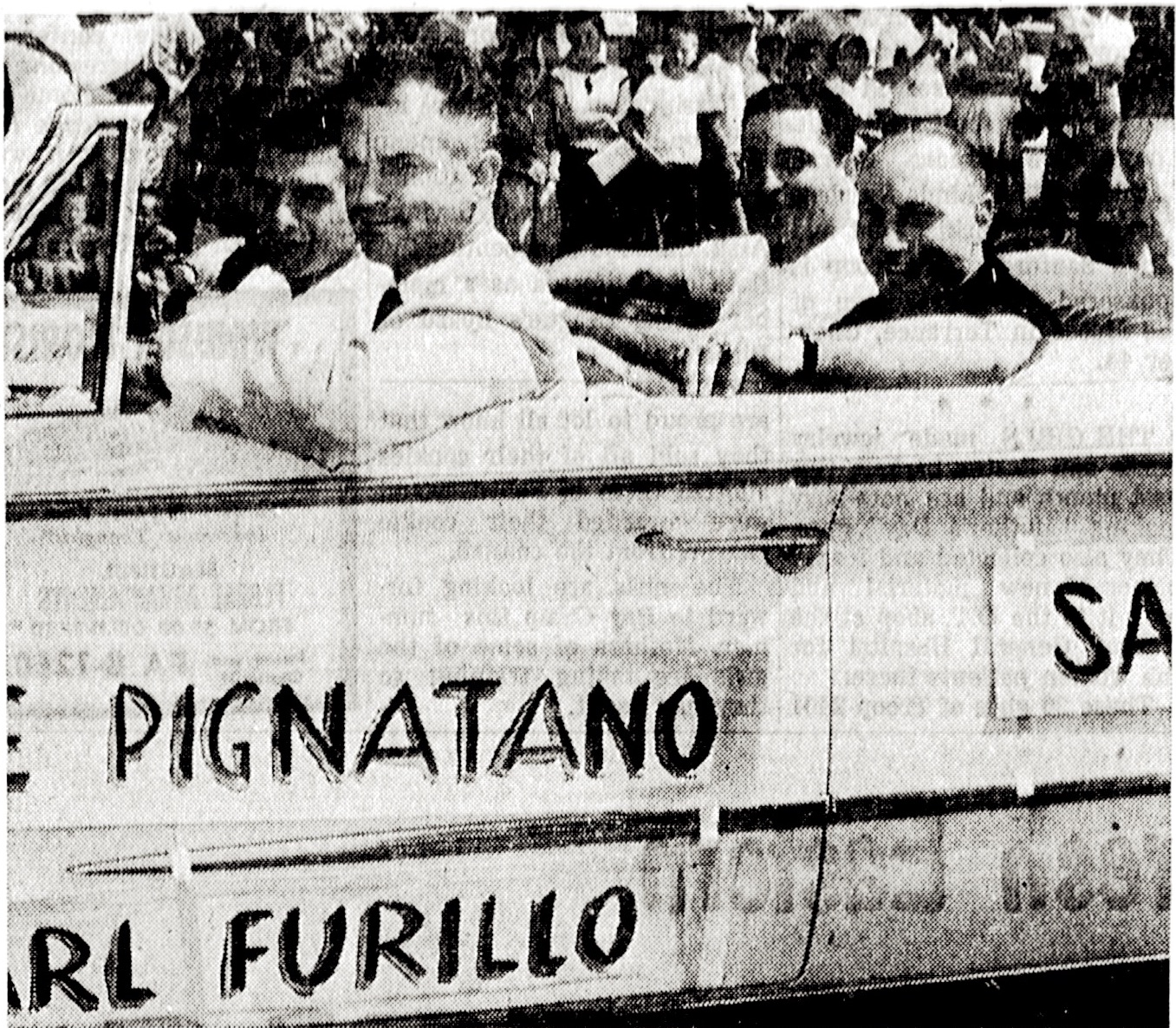
He worked tirelessly to live up to his commitment, using his baseball contacts to stage many popular public events in the city promoting youth sports. His first big splash came with the Torrance Baseball Day Parade on May 7, 1960.
Thousands attended and participated in the festivities, which included a parade during which Vico drove a car containing Dodger players Sandy Koufax, Carl Furillo, Joe Pignatano and Chuck Essegian.
Vico ran for re-election in 1964, winning a second term easily. His tenure on the council ended when he finished fourth in the 1968 election.
After his death at 70 on Jan. 14, 1994, following years of battling heart disease, his colleagues recalled him fondly.
Fellow councilman Ken Miller told Daily Breeze reporter Jim Radcliffe, “George was an outgoing, happy-go-lucky fellow who seemed to enjoy life. He was fun to be around. I don’t think he took himself too seriously. He served rather diligently.”
In the same story, former Torrance mayor Katy Geissert said of Vico, “He was very well liked. A big, easy-going fellow who didn’t have enemies. He did a conscientious job. He had a reputation for being good-natured.”
Vico was buried in the Serbian United Benevolent Society Cemetery in East Los Angeles along with his wife Helen, who died in 2016.
Sources:
Daily Breeze archives.
Find A Grave website.
Torrance Press Herald archives.
Wikipedia.