What if I were to tell you that a French pilot had flown an airplane from a dusty hillside on the outskirts of Carson to the Santa Anita racetrack in Arcadia and back, safely?
I’m guessing you’d be underwhelmed by the 45-mile trip, but tens of thousands of spectators gathered on Dominguez Hill just east of present-day California State University at Dominguez Hills couldn’t believe their eyes when French aviator Louis Poulhan pulled it off in 1910.
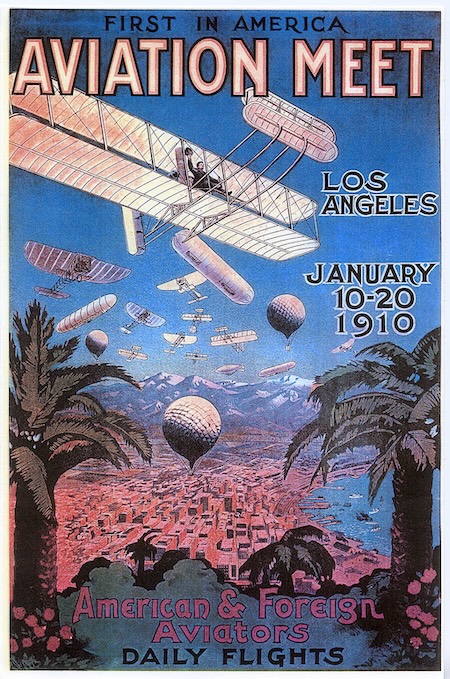
The occasion: the Los Angeles International Air Meet, the first event of its kind held in the United States. Prescient aviators Charles F. Willard and Ray Knabenshue got the inspiration to stage the meet from the first-ever International Air Meet held in Rheims, France in 1909.
That meet had caused a sensation. Remember, it took place just six years after the Wright Brothers’ successful first flight in Kitty Hawk, North Carolina in 1903.
It turns out that Orville and Wilbur had become very protective of their achievement. They did not participate in the air fairs and other public flying exhibitions of the era, and filed lawsuits against some who did. Essentially, they believed that they owned the rights to aviation technology. They would soon find out differently, though their patent lawsuit against aircraft builder Glenn Curtiss wouldn’t be settled until after the outbreak of World War I.
Paulhan’s achievements during the Rheims meet, though ridiculously modest by modern standards, brought him great acclaim. The feats of American engineer and flier Curtiss (of Curtiss Jenny airplane fame) were more surprising and impressive to the French.
The perceived rivalry between the two drew huge crowds to Rheims, and Willard and Knabenshue convinced the pair, along with other pioneering aviators, that even greater crowds would pay to see a similar event in America. As in Rheims, cash prizes would be offered to the aviators who flew the longest, highest and fastest.
The organizers settled on Los Angeles as its location. They were aiming toward holding the fair in January 1910, and felt the area’s mild wintertime weather would be ideal.
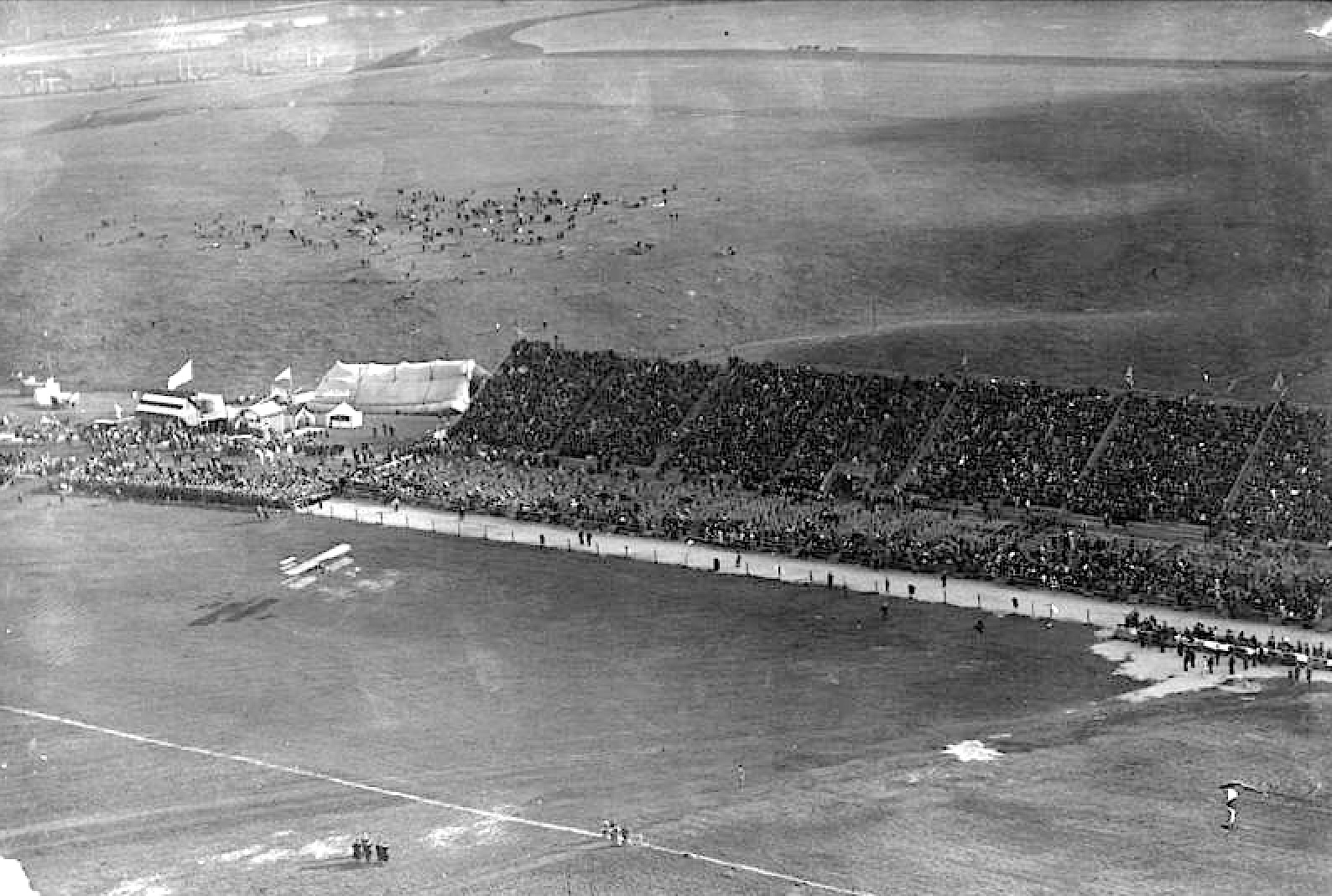
Together with local promoter Dick Ferris, they scouted the area and chose Dominguez Hill as their venue location. Its mild elevation was sufficient enough to make viewing by freeloaders difficult, the connecting road to it was lightly traveled, and, crucially, the makeshift airfield was walking distance from a train depot serving both Pacific Electric Railway and Southern Pacific trains.
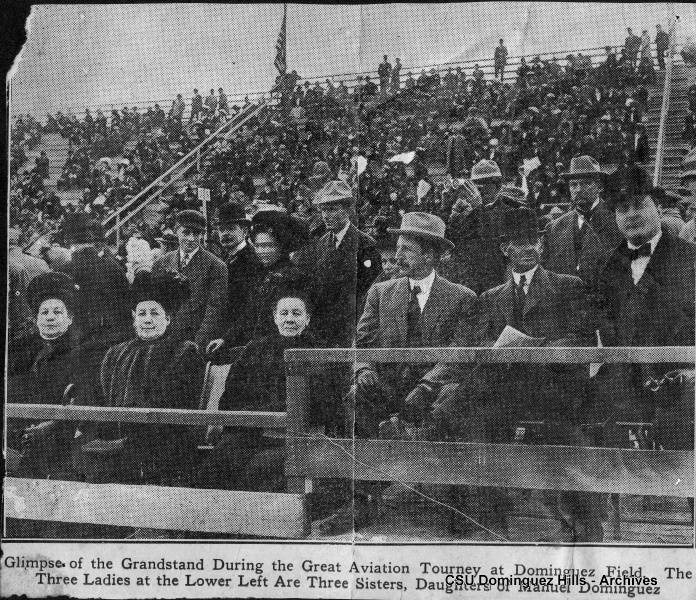
Ferris also arranged for the Los Angeles Examiner newspaper to co-sponsor and publicize the event before and during its 11-day run, from Jan. 10 through Jan. 20, 1910. The organizers also convinced the owners of the Rancho San Pedro land, the Dominguez sisters, to allow them to use their land for free. (The five sisters did receive free front row seats for the entire event.)
Daily admission to the Air Meet was 50 cents, and vehicle parking cost $1.00. Concessions stands and other amenities – including a few carnival-type sideshow tents – were in place on the meet’s first day, Jan. 10. An estimated 20,000 people filled the stands and grounds before the first aircraft took off.
A large grandstand had been built to accommodate the throngs of attendees, along with a group of tents to house airplanes, hot air balloons, dirigibles and other aircraft. The latter two groups of aircraft were more established in the public’s mind, and less of a novelty than the airplanes.
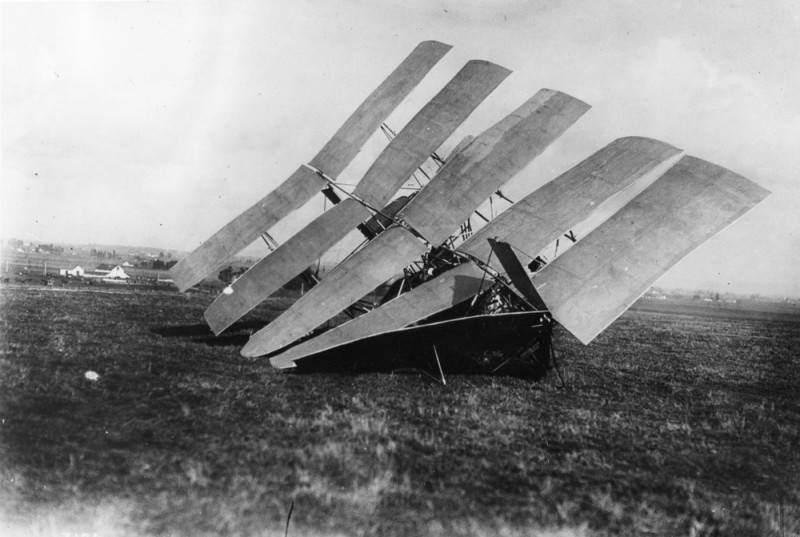
The novelty of engine-powered aviation was still fresh: few people had seen such aircraft in action, and many in the assembled crowd were skeptical that the contraptions could even get off the ground. (Some didn’t. Dr. J.S. Zerbe’s five-winged flying machine crashed before it could take off on Jan. 11. He wasn’t hurt.)
But Paulhan and Curtiss had little trouble getting their planes airborne. Paulhan’s exploits dominated the meet.
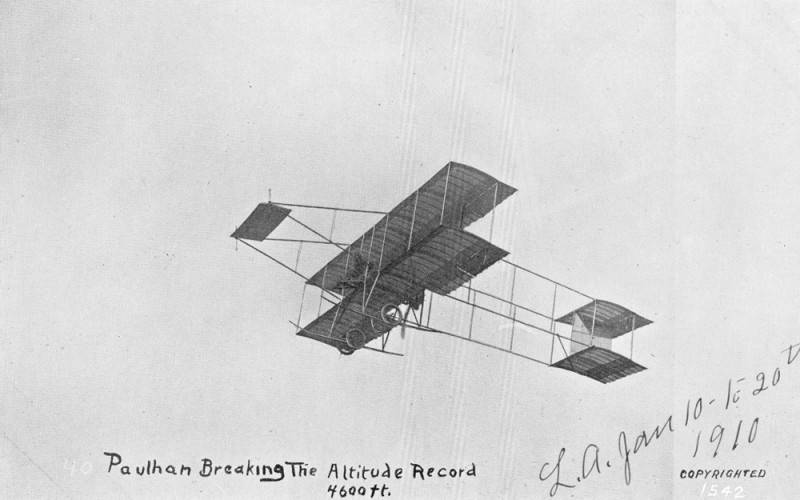
In addition to his Arcadia flight, Paulhan set a flight endurance record of one hour, 49 minutes when he took himself and a passenger, his wife Celeste, to Redondo Beach and back. He later squired another famous passenger skyward when he gave newspaper publishing baron William Randolph Hearst his first airplane ride. Paulhan later set a new airplane altitude record of 4,612 feet.
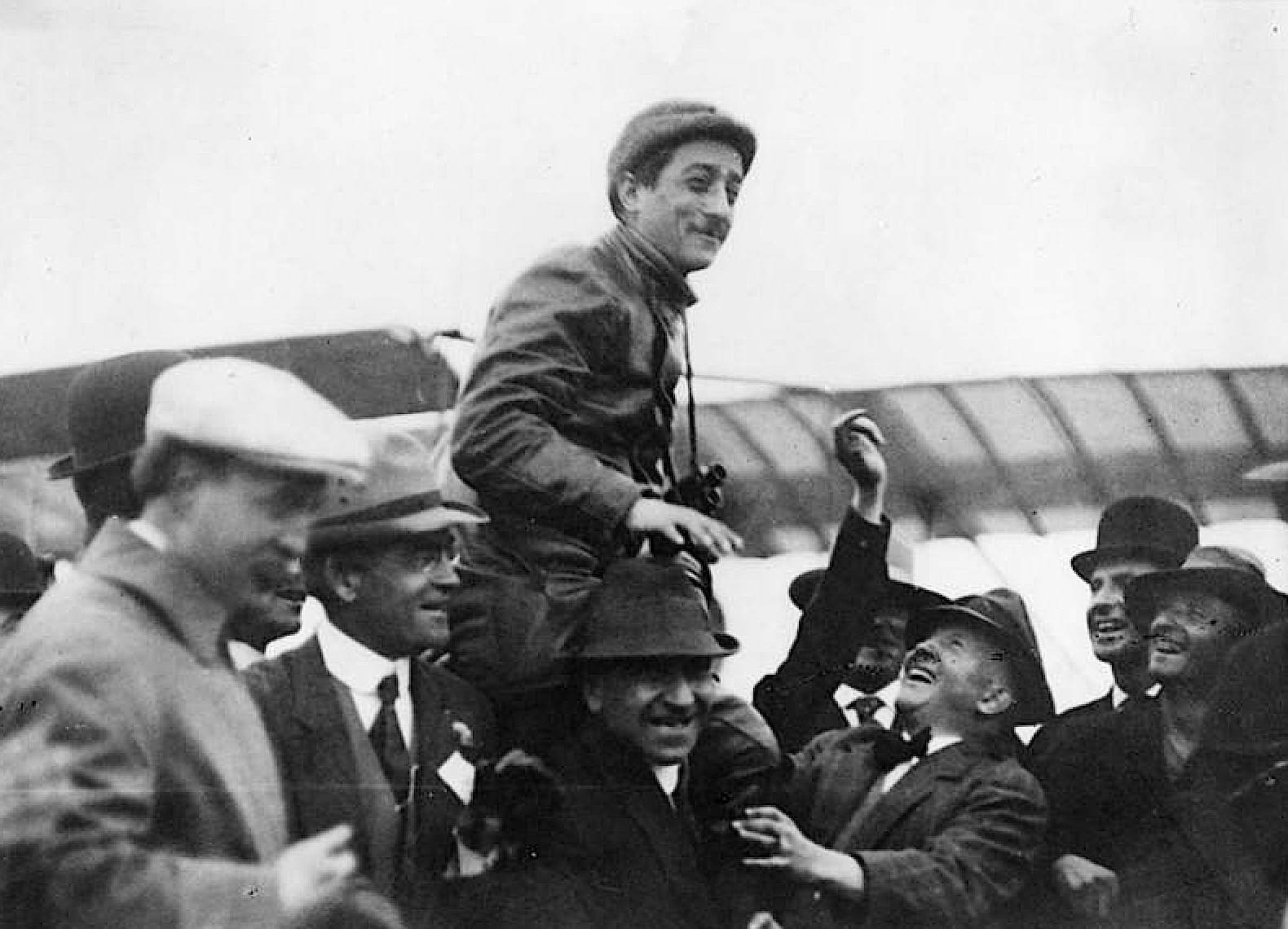
He took most of the prize money, but Curtiss had more than his share of enthusiastic followers.
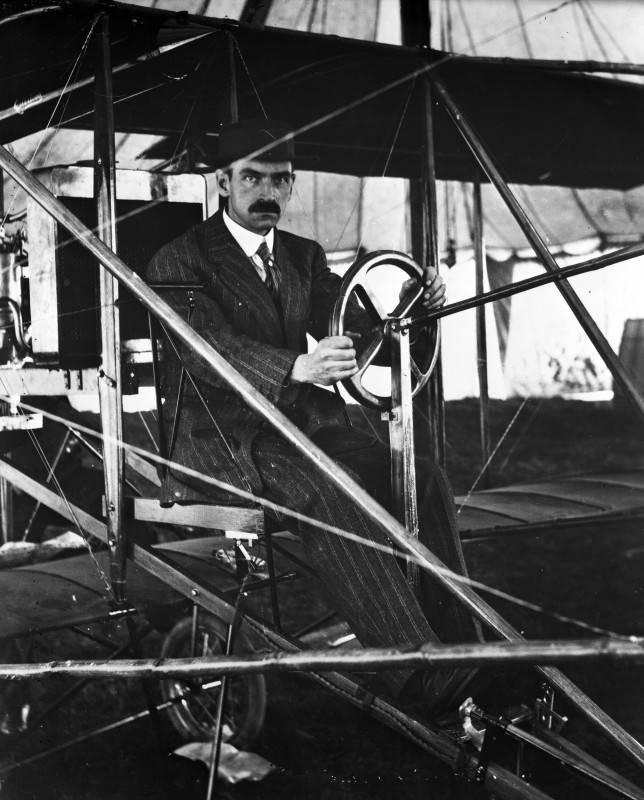
He won prizes for the best quick start and for the highest air speed, 55 mph. He also became the first person to fly a powered airplane in the western U.S. when he piloted his Curtiss biplane during the Air Meet’s first flight, an opening day jaunt lasting just under 90 seconds.
Organizers were vindicated when the weather held up. Though it rained on two days of the meet, neither downpour lasted long enough to cause cancellation of the events.
The event was a commercial success for its organizers. An estimated 254,000 tickets were sold for the entire Air Meet, with an average daily attendance of over 20,000 spectators, and the venture finished in the black. Organizers signed a five-year deal to hold an additional fairs there, but only two more were staged, one from Dec. 24, 1910 to Jan. 3, 1911 and another in 1912.
The ripple effect from the 1910 Air Meet was strong and immediate. Aviation’s coming of age made a huge impression on inventors, engineers and entrepreneurs, many of whom would go on to build the foundation for what would become a monolithic industry. Some of them included Curtiss, Glenn Martin, Donald Douglas, the Lockheed brothers and Jack Northrop.
In addition to a plaque denoting the area’s status as a California Historical Landmark being placed on Wilmington Ave. near Artesia Blvd. in 1959, three neighboring Carson streets in the Dominguez Hills area have been named for 1910 Air Meet aviators: Glenn Curtis Street, Beachey Place and Charles Willard Street. Glenn Curtiss Middle School in Carson also was named for the aviator.
Sources:
Daily Breeze archives.
Dominguez Air Meet, by David D. Hatfield, Northrop University Press, 1976.
Los Angeles Herald archives.
The 1910 Los Angeles International Air Meet, by Kenneth E. Pauley and the Dominguez Rancho Adobe Museum, Images of Aviation series, Arcadia Publishing, 2009.
Wikipedia.