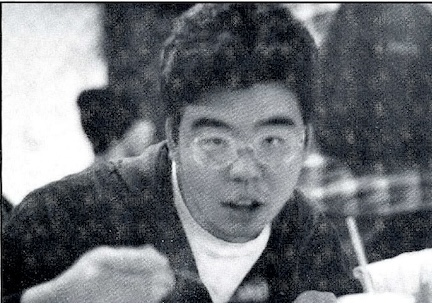
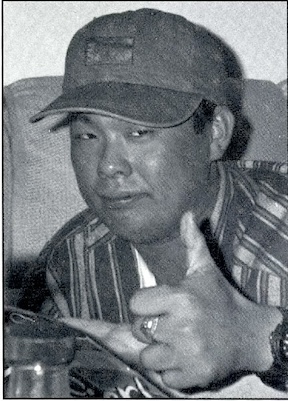
They both aspired to become filmmakers. So, once their primary education was completed, Go Matsuura and Takuma Ito left Japan and chose to attend Marymount College in Rancho Palos Verdes to enroll in its film program.
Matsuura was born in the United States, but had moved back to Japan with his family as a young boy; Ito was born in Japan and had spent his life there. Both of them were obsessed with moviemaking when they arrived at Marymount as freshmen in August 1993.
On the night of March 25, 1994, the pair had dinner with friends at a restaurant in Gardena. Afterward, the two 19-year-olds decided to stop and pick up some groceries in San Pedro. They pulled into the Ralphs market at Western Ave. and Capitol Drive around 11 p.m.
Ito’s new white 1994 Honda Civic attracted the attention of Raymond Oscar Butler, an 18-year-old gang member who lived in the Rancho San Pedro housing project. He pulled a gun on the two students, demanding the keys to the car.
During the carjacking, he shot them both in the back of the head at close range. He dumped their bodies in the grocery store parking lot before driving off.
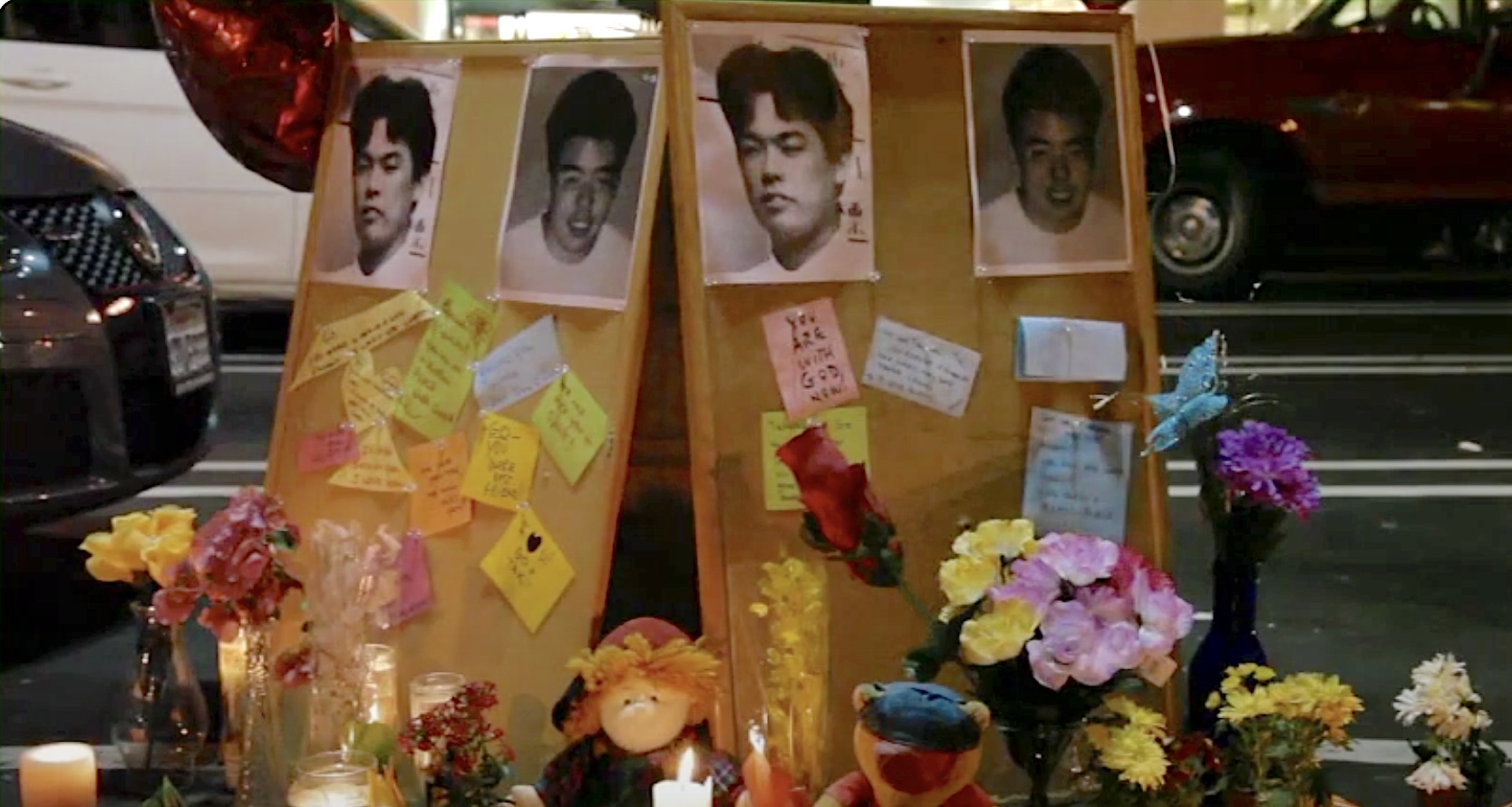
The two victims were still alive, but would never regain consciousness. They died two days later when their parents made the heartbreaking decision to have them removed from life support.
Police found the car the next day, abandoned at a car wash at Sixth and Gaffey streets. Based on evidence found on the car and one eyewitness account, they arrested Butler and Alberto Reygoza, 20, of Long Beach the following Wednesday on suspicion of murder. Both had previous criminal records.
The brutality and brazenness of the crime would end up drawing international attention. Outrage over the killings quickly spread from local officials to the White House as well to the Japanese government. The country’s newspapers seized on the killings as evidence of the dangers of living in America.
President Bill Clinton not only issued a formal statement of apology, but also spoke personally to Japanese Prime Minister Morihiro Hosokawa.
“I personally told him how regretful I was, and I apologized on behalf of our people that anyone would lose their lives here,” Clinton said in an official statement. “And I have written to both the young men’s parents personally.”
On April 12, 1994, Butler and Reygoza pleaded innocent to multiple felony charges related to the carjacking and murders. It turned out that Reygoza was not present at the crime, but was charged as an accessory after the fact and for accepting stolen property. He was convicted and sentenced to 32 months in prison.
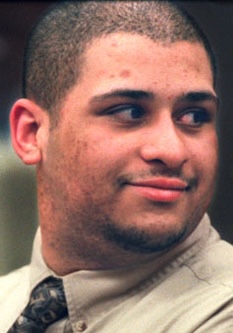
Butler faced the lion’s share of the charges: murder, second degree robbery and carjacking. In addition, prosecutors brought special circumstance charges of committing multiple murders during the course of a robbery, personal use of a firearm and inflicting great bodily injury.
While in custody at the Men’s Central Jail in Los Angeles awaiting trial on the charges, Butler helped commit another murder, this time that of fellow inmate Tyrone Flemming, in April 1995. He would later be tried and convicted twice for murder in that case. (A second trial had to be held in 2012 after it was ruled that a judge had improperly barred Butler from defending himself during the first one.)
After an emotional trial, Butler was convicted of the charges in the killings of Matsuura and Ito in March 1996. The jury recommended the death penalty, and the judge agreed, sentencing him that July. (He also eventually received the death penalty in 2012 for the Flemming murder.)
In a strange twist to the case, the lone witness to the carjacking and murders, Kristin Kielniarz Wells, died at 23 from viral pneumonia contracted from chicken pox in February 1997. Her testimony was key in Butler’s conviction, and she never wavered from it throughout the trial. She had moved to Pennsylvania for the safety of herself and her family following the trial before falling ill.
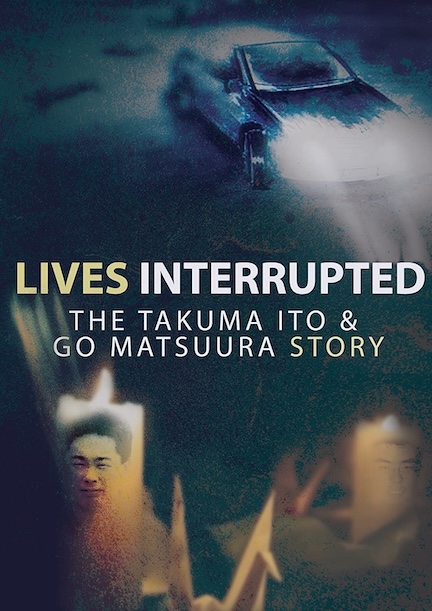
On Oct. 24, 2012, Bruce Schwartz, a professor at Marymount, premiered the documentary film “Lives Interrupted: The Takuma Ito and Go Matsuura Story,” which recounts the tragic murders and their continuing aftermath. Takuma Ito’s father and brother flew in from Japan for the special screening at the Warner Grand Theatre in San Pedro.
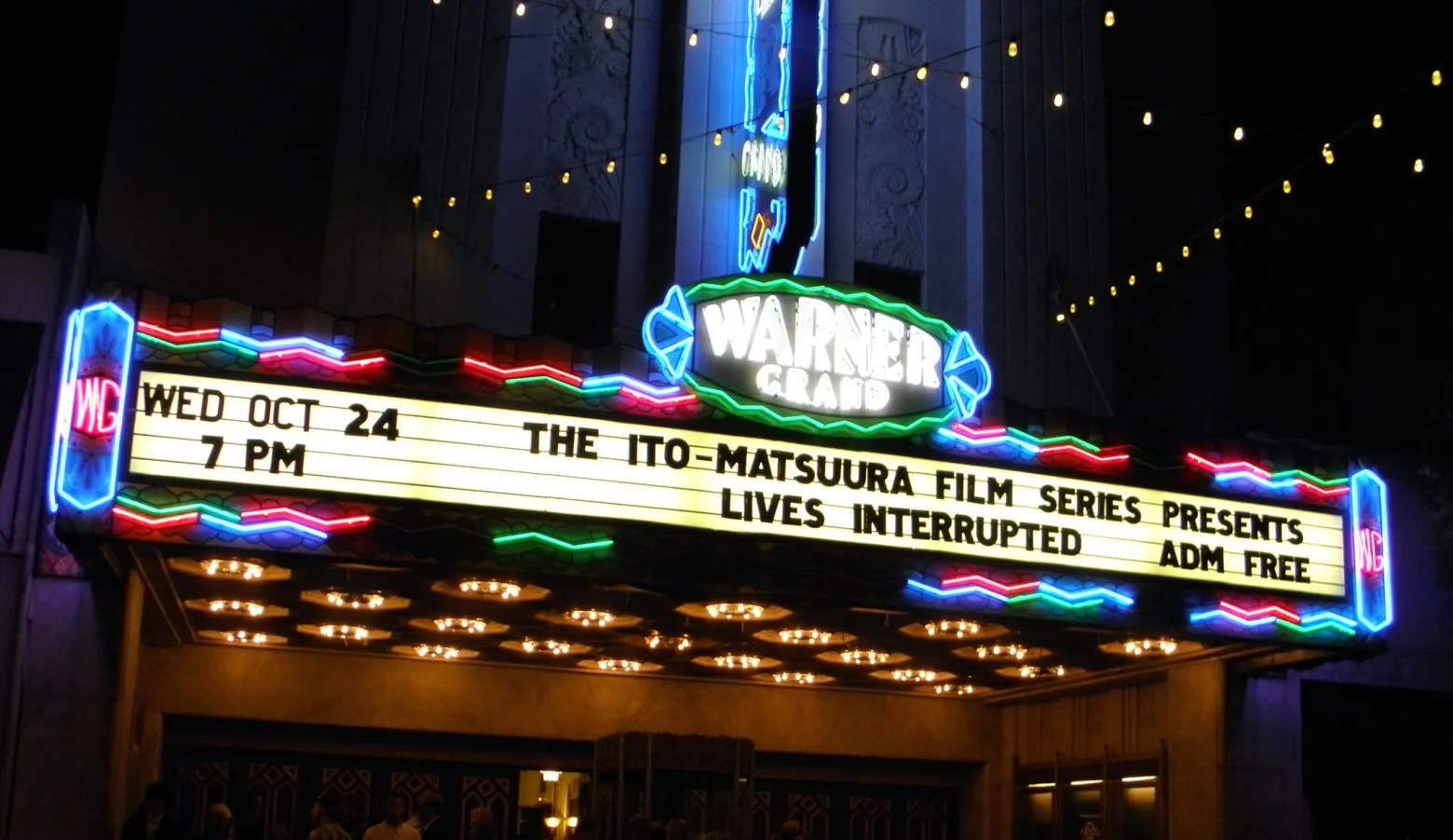
Marymount College changed its name to California Marymount University in 2013, but financial problems and declining enrollment led to its closure in 2022. UCLA has purchased the property and plans to use it for one of its satellite campuses.
Also in 2022, Los Angeles County District Attorney George Gascón made headlines when he filed a 264-page sentencing recommendation asking the courts to reverse Raymond Butler’s death sentence and change it to one of life in prison without parole.
Gascón’s brief stated that Butler should be resentenced to life in prison without parole because at the time of the killings he suffered “significant, cognitive impairment,” meaning his brain was not developed enough to regulate his behavior.
No action has been taken on Gascón’s recommendation, and Butler, now 48, remains incarcerated on San Quentin’s Death Row as of this writing, 30 years after the crime.
Sources:
“Condemned Inmate List,” California Department of Corrections and Rehabilitation website.
Daily Breeze archives.
Internet Movie Database.
Los Angeles Times archives.
Rafu Shimpo archives.