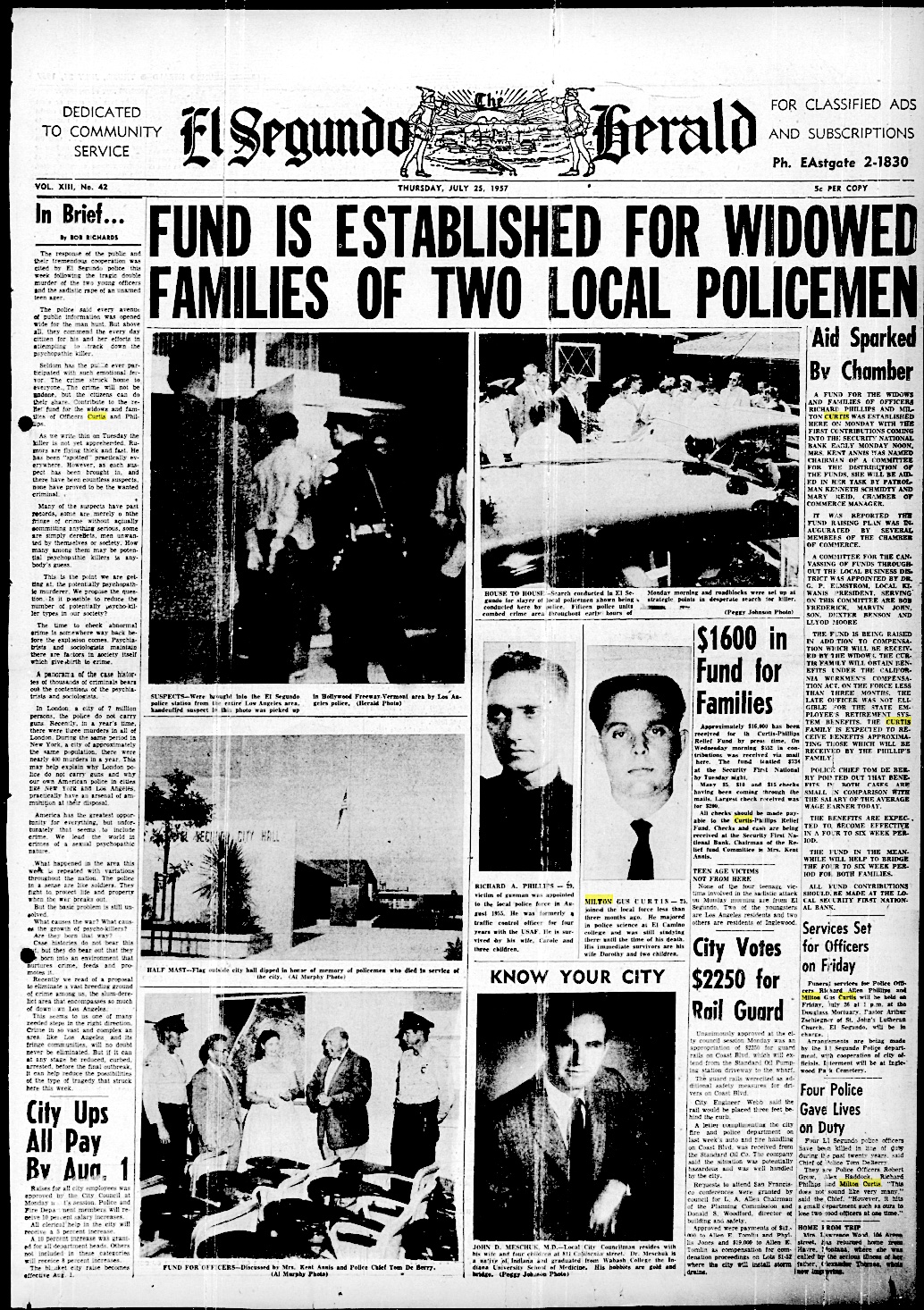
Late in the evening of July 21, 1957, two teenage couples were parked in a 1949 Ford in a darkened field at Van Ness Ave. and El Segundo Blvd. in Hawthorne, a local “lovers lane.”
A 23-year-old man with his light brown hair combed in a pompadour happened upon the scene. Brandishing a nine-shot, 22-caliber H&R revolver, he robbed all four of them, first taping their eyes and mouths shut. He forced the two boys to remove their shirts, which he tore into strips that he used to tie their hands behind their backs.
He then raped one of the girls, a 15-year-old, made all of them undress completely, and took their clothes with him as he drove off in their car, leaving the teens abandoned in the darkness.
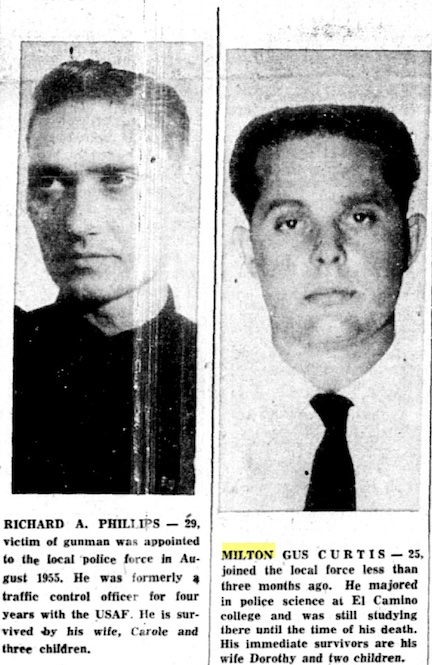
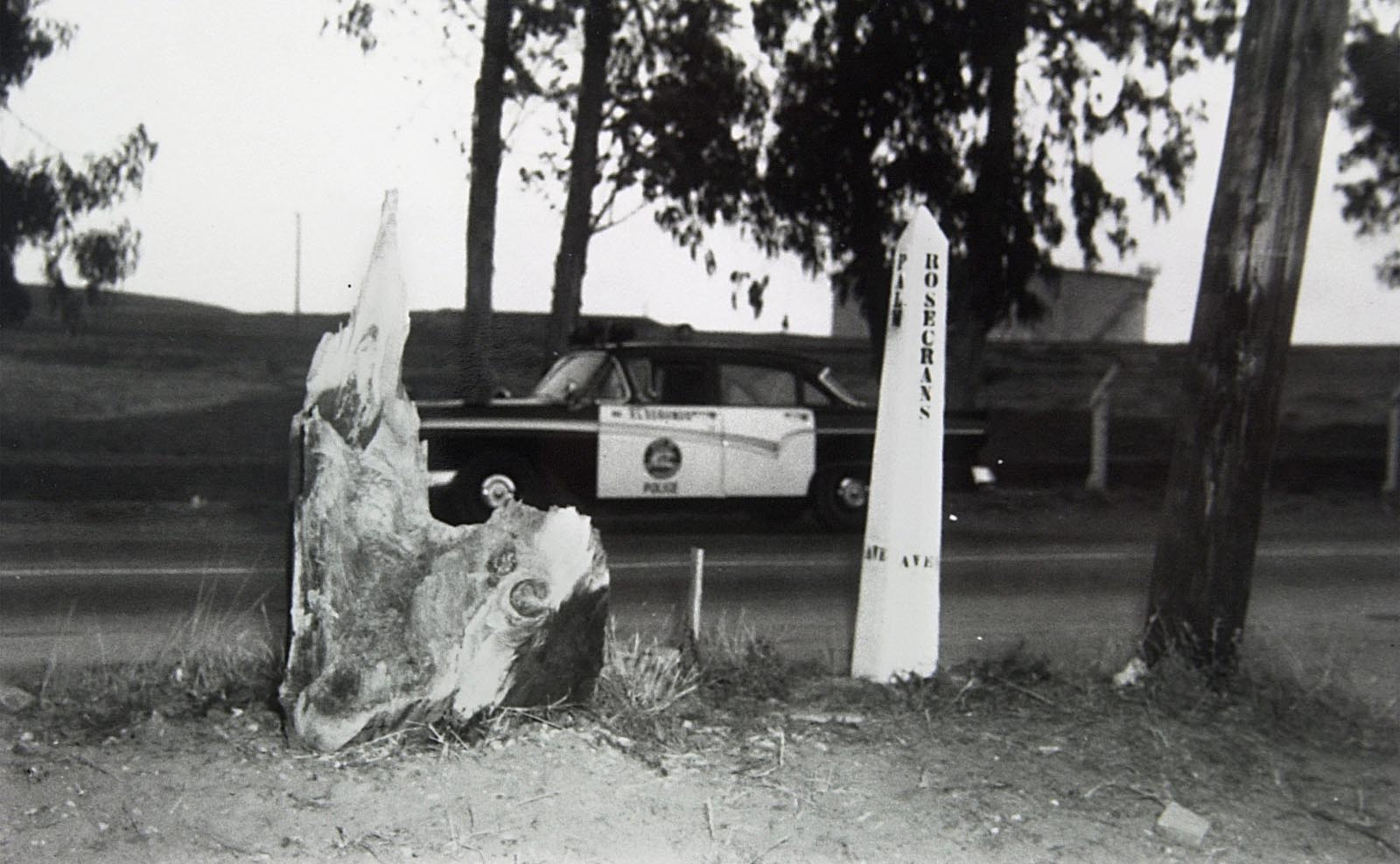
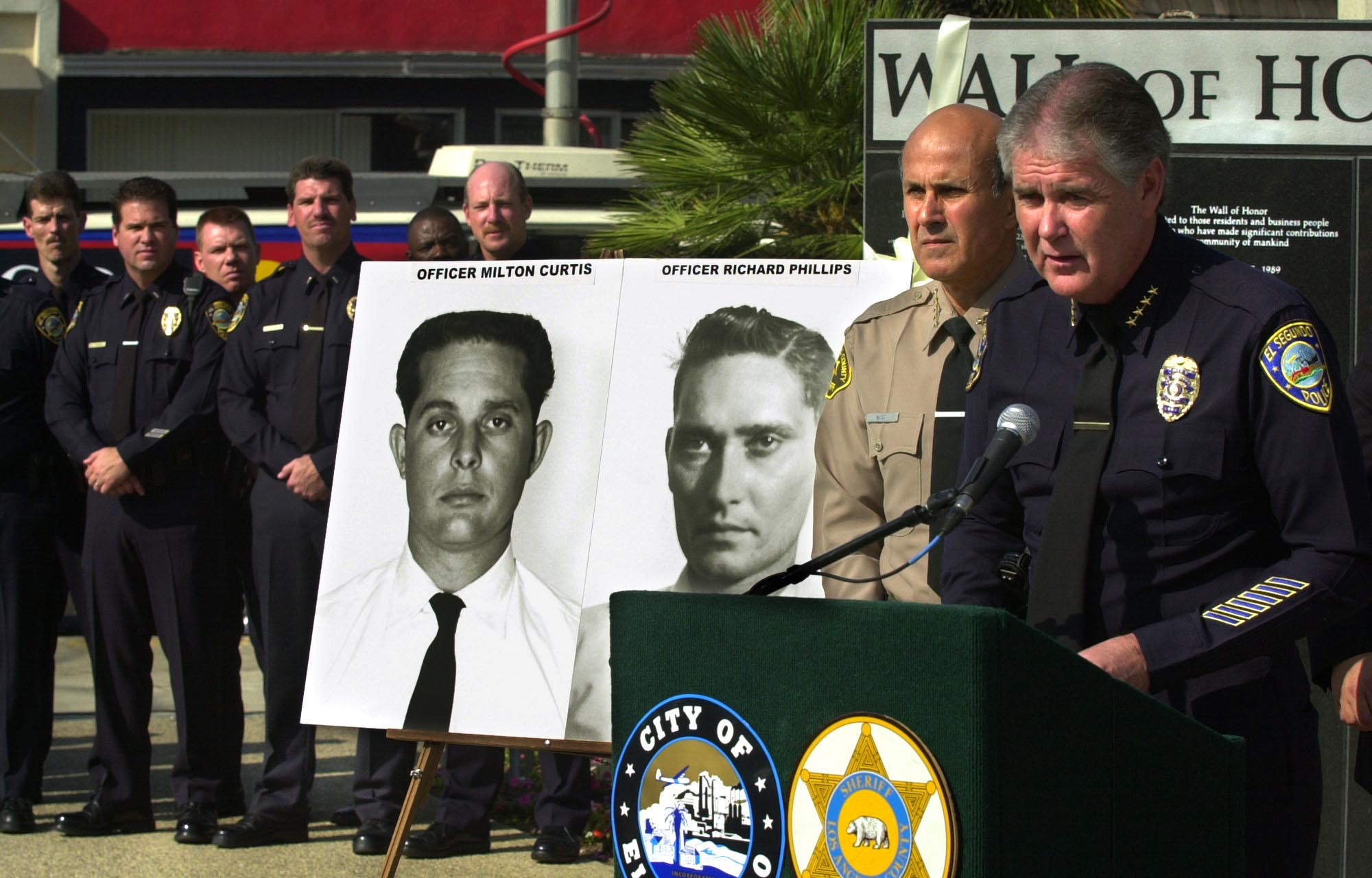
At about 1:25 a.m. on July 22, El Segundo police officers Richard Phillips, 28, and Milton Curtis, 25, noticed a 1949 Ford running a red light on Rosecrans Ave. and Sepulveda Blvd.
They had no idea who was driving; the car hadn’t been reported stolen yet.
They stopped him on Rosecrans a few blocks west of Sepulveda. (Rosecrans was one lane in either direction at the time.) Another patrol car stopped by, but the two officers waved it on, indicating that they had what they presumed to be a routine traffic stop under control.
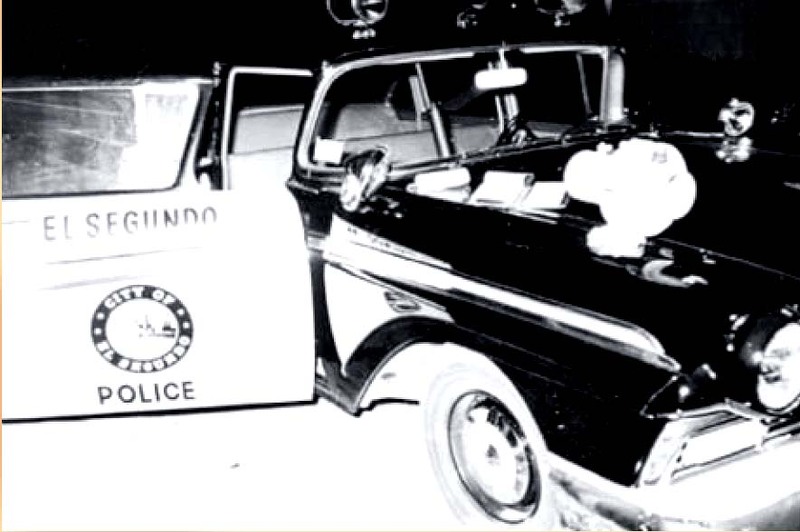
Minutes later, a distress call came over the radio. The officers who had checked on Phillips and Curtis returned to find them shot to death at their patrol car. Curtis had been shot three times in the chest, and Phillips, three times in the back. The suspect’s car eventually was found four blocks away. The murder weapon and some items stolen from the teenagers were not found in the car.
Among those who combed the car for clues was sheriff’s deputy and criminal scene investigator Howard Speaks of Westchester, who was able to lift three partial fingerprints. But, with fingerprint technology not being as advanced as it would become, a match for them could not be found.
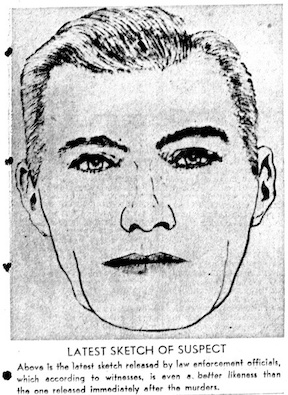
Police and sheriffs departments throughout Southern California launched a massive manhunt in the wake of the killings, running down hundreds of tips. Investigators questioned thousands of potential suspects and arrested several over the next few years, but all of them were released.
Douglas Tuley of Manhattan Beach was roto-tilling the weed-filled backyard of his 33rd St. house in March 1960 when it clanked against an object, which turned out to be a gun cylinder. He checked, and it matched the gun frame he’d found the previous April. He turned the gun, a wristwatch and a crucifix necklace over to police, who verified that the gun was the murder weapon and the items had been stolen from the teens.
Police traced the gun to a Sears store in Shreveport, Louisiana, where it had been purchased using a false name and address just days before the 1957 shooting. The trail continued to grow colder.
But fingerprint expert Howard Speaks never gave up. He took the three prints he’d gathered from the suspect’s car and kept them handy. As his daughter, Cathe Gordon, told Daily Breeze reporter Larry Altman in 2006, “It didn’t matter what he was doing, where he was, he would always have that fingerprint with him, and he would try to compare it.”
Evolving fingerprint technology in the 1990s made it possible to simulate an entire print by combining the three partials that Speaks had. That print was run against the growing collection of police fingerprint records online, but still no match was found.
Then, in 2002, a new, larger fingerprint database that included the state of South Carolina’s records was checked by investigators. It turned up a match: 69-year-old Gerald Fiten Mason.
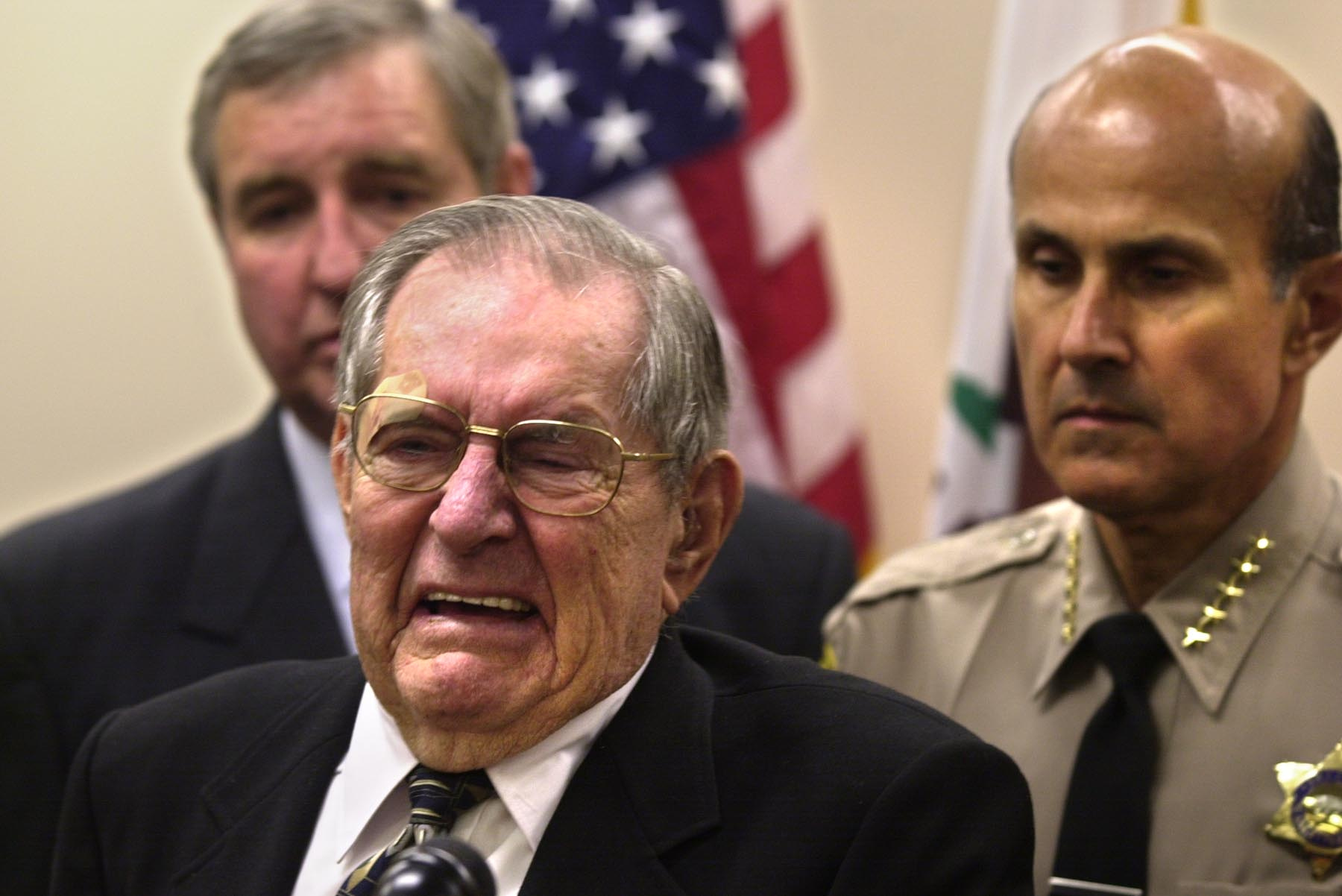
Mason had carved out a respectable life in South Carolina following his crime. He was a husband and father who owned a service station in Columbia, raising his family there during the 45 years following the killings.
In 1956, he’d been arrested there for burglary and his fingerprints had been put on file, but were never matched up. After that, he’d hitchhiked to Southern California.
On Jan. 29, 2003, Mason’s stunned wife, who knew nothing of the crime, stood by and watched as he was arrested on charges of murder, rape, grand theft and robbery. He had fled to the tree section of Manhattan Beach after the killings, where he hid until the next day, when he began hitchhiking back to South Carolina.
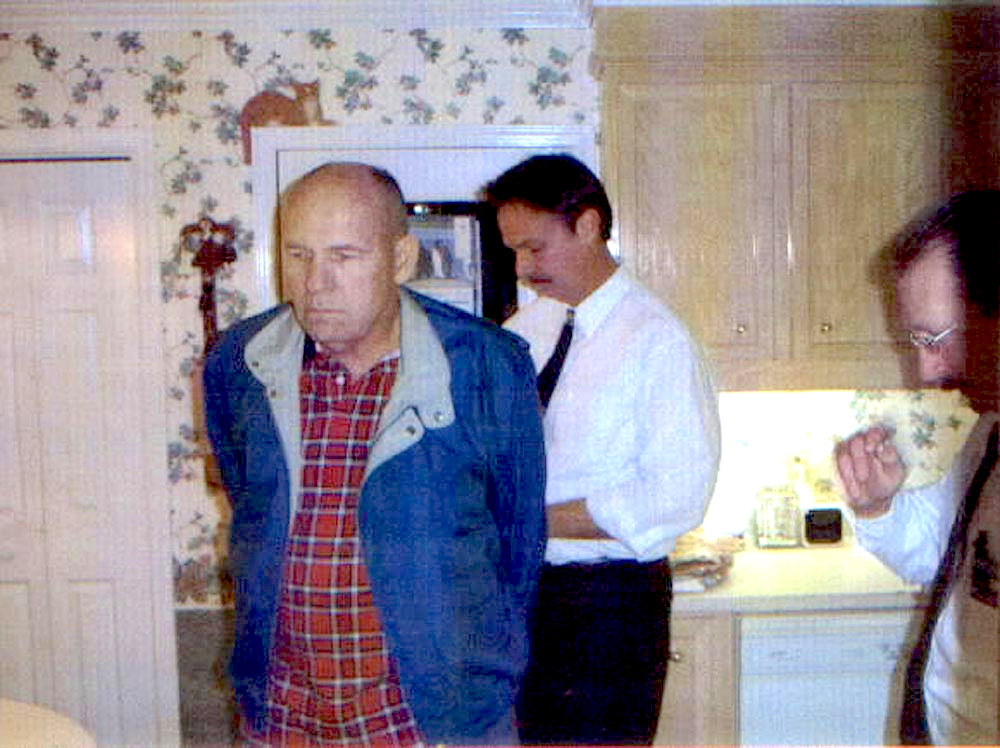
On March 24, 2003, Mason pled guilty to the two killings. In exchange, prosecutors dropped the other charges against him. He was sentenced to two consecutive life sentences in prison. A tearful Mason apologized for the shootings in court, but could give no real reason for them.
In addition to the matched fingerprints, other evidence against Mason included his handwriting on the ledger recording the purchase of the gun, and a bullet scar on his back that came from the one round that Officer Phillips had been able to hit him with following the shooting. (Three additional bullet holes from Phillips’ gun were found in the stolen car at the time.)
At his most recent parole board hearing in 2009, the board denied his request and announced that it wouldn’t entertain a new one until 2024. After spending nearly 14 years in a South Carolina prison, Gerard Mason died there at the age of 82 on Jan. 22, 2017.
Sources:
Daily Breeze archives.
El Segundo Herald archives.
Los Angeles Times archives.