
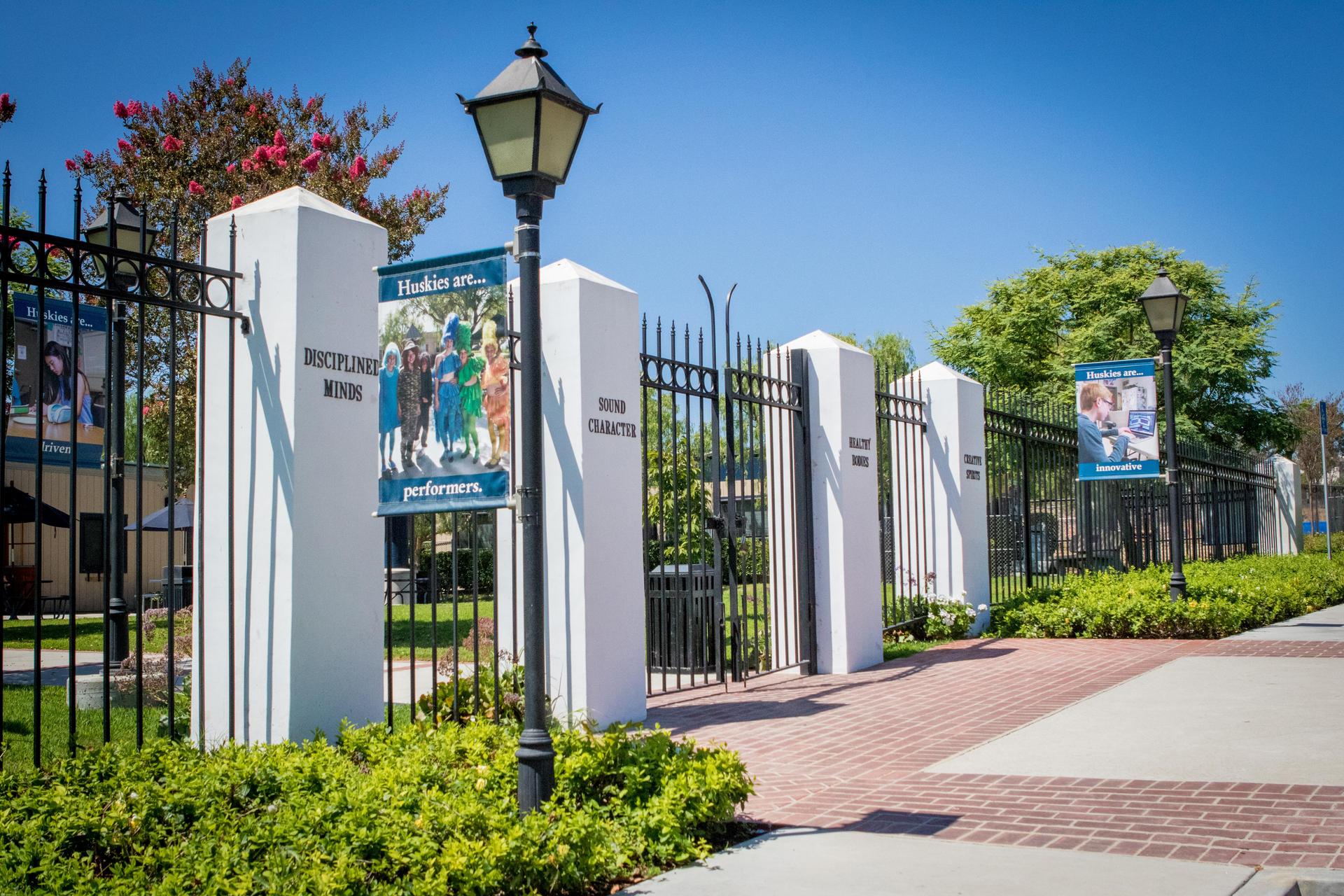
An institution such as Rolling Hills Preparatory, REACH and Renaissance Schools doesn’t just spring up overnight. Its evolution came about through a combination of creative vision and a lot of hard work.
Known informally as Rolling Hills Prep, the high school was founded by Evelyn Dawn in 1981. Dawn, who I wrote about in a 2022 post, had founded the Rolling Hills Country Day School in Rolling Hills Estates in 1961. (She died in 2000 at 93.)
Twenty years later, she took the next logical step and established a college preparatory high school. Rolling Hills Prep, a private, not-for-profit school, aimed at preparing students for college using creative, often individualized teaching methods.
For the small school’s first 11 years, classes were held at Rolling Hills Covenant Church. RHP’s attendance began growing during that span, and parents began asking for the school to incorporate middle school grades into its program.
As the school’s student population grew to more than 200 students, RHP’s leaders began the search for a permanent site for its campus. In the meantime, the school moved into larger quarters at the former Malaga Cove School. Opened in 1926, it’s the oldest permanent school building on the Palos Verdes Peninsula.
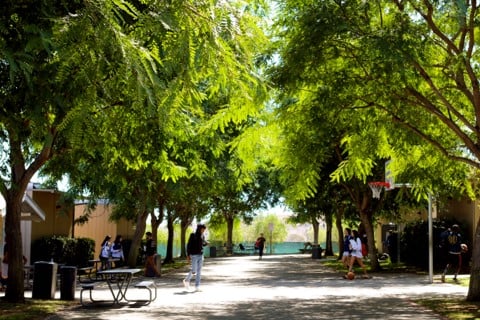
By the early 1960s, it had become Malaga Cove Intermediate School. In 1991, the Palos Verdes Peninsula School district closed the school due to declining enrollment in the district, opening up the space for RHP to relocate there. It began conducting classes on the campus, which now included students from 6th to 8th grade, in the fall of 1992.
RHP occupied 18,000 square feet of floor space. Two other tenants also moved into Malaga Cove at the same time: Peninsula Montessori School and the International Bilingual School. RHP agreed to pay the Palos Verdes Peninsula Unified School District $150,000 a year to lease the space.
In 1994, the school adopted its four guiding principles, which it calls the Four Pillars: Disciplined Minds, Sound Character, Healthy Bodies and Creative Spirits. In keeping with the principles, RHP also built a strong small-school sports program in addition to its academic offerings.
Its long-term plans to find a permanent school location received a boost in early 1998, when the U.S. Navy announced plans to declare about 150 acres in San Pedro as surplus land. The 1997 closure of its Long Beach Naval Station and Long Beach Shipyard had rendered the land, which contained two large military housing developments, unnecessary for the Navy’s needs.
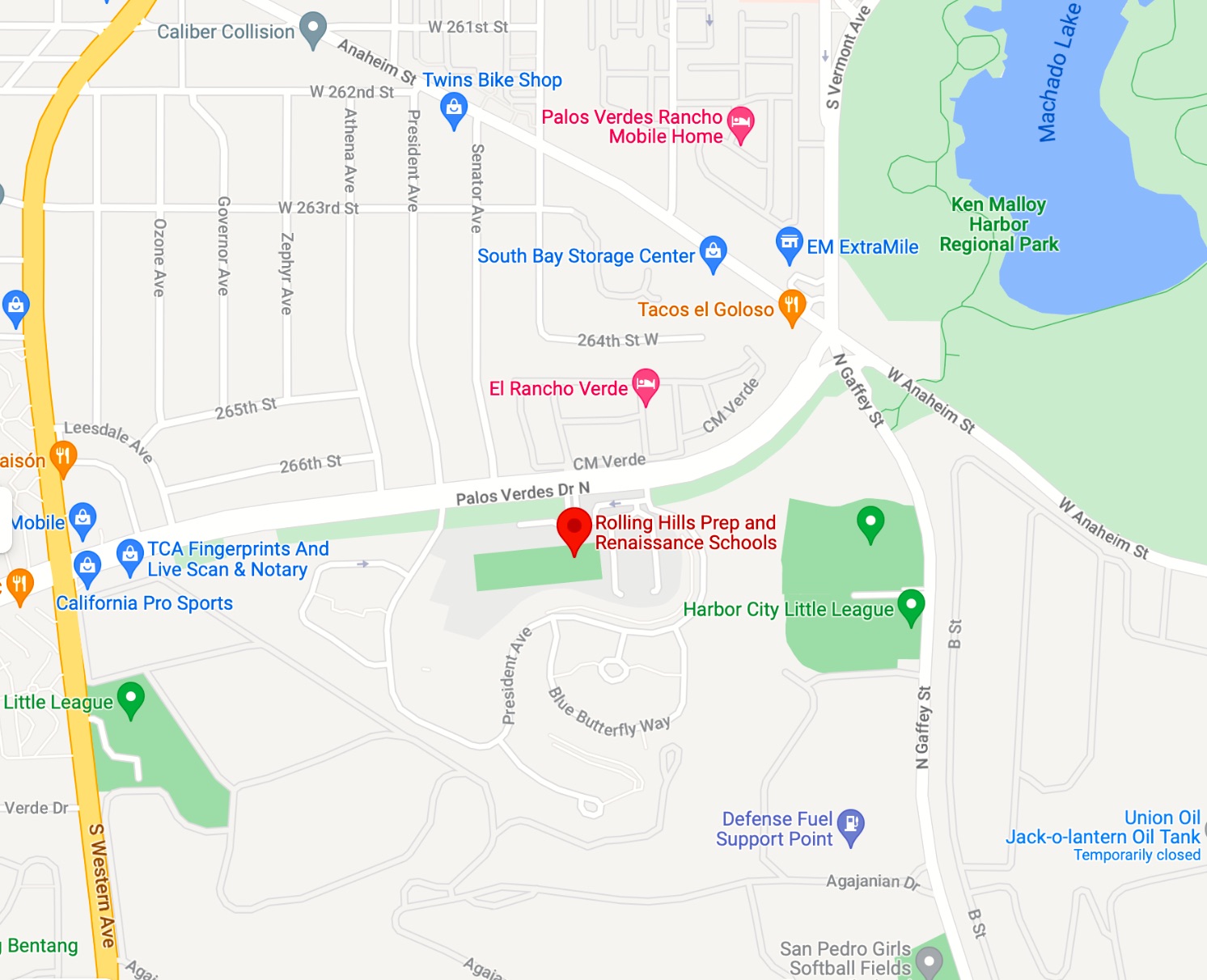
RHP immediately applied to receive 28 acres of former Navy property located on the far northern edge of San Pedro, on the south side of the stretch of Palos Verdes Drive North between Western Ave. and Gaffey St.
In 1999, it was discovered that the site was a nesting area for the endangered Palos Verdes Blue butterfly. After three years of negotiating with the California Dept. of Fish and Game, school officials agreed to set aside some of the surplus land as a butterfly sanctuary.
In 2004, the land deal with the Navy became finalized. The school secured rights to almost 20 acres of former Navy housing for $1 as a public benefit conveyance, a fancy name for a government land transfer meant to improve the public good.
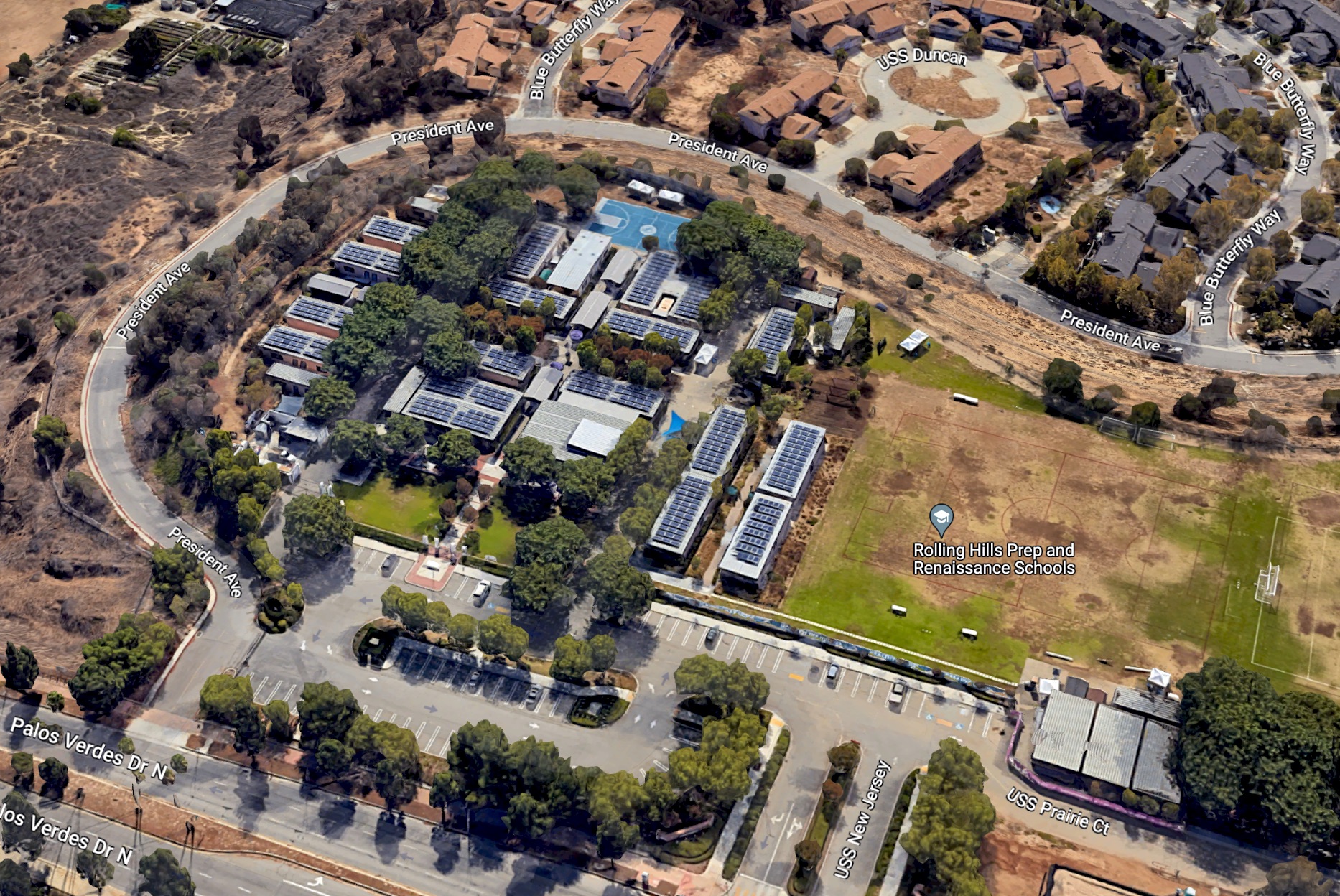
In the fall of 2004, RHP added the Renaissance School for Arts and Sciences under the direction of Heidi Morris. The school works with students in grades 5-12 who have language-based learning difficulties such as dyslexia that keeps them from performing well in traditional school environments.
RHP began moving ahead with the planning and construction of the modern campus, with the idea of opening to students in October 2006. Unfortunately, a dispute with the city of Los Angeles over a water line to the school along with other minor construction delays caused the opening to be pushed ahead to 2007.
In the meantime, the school’s students had to move from the Malaga Cove site. Its landlord, PVPUSD, announced that it planned to transform the former school into its new district headquarters. (It opened in 2010).
Temporary quarters for the nomadic Rolling Hills Prep students were established at the Torrance First Presbyterian Church on Crenshaw Blvd. north of Wilson Park, while work continued on the permanent site.
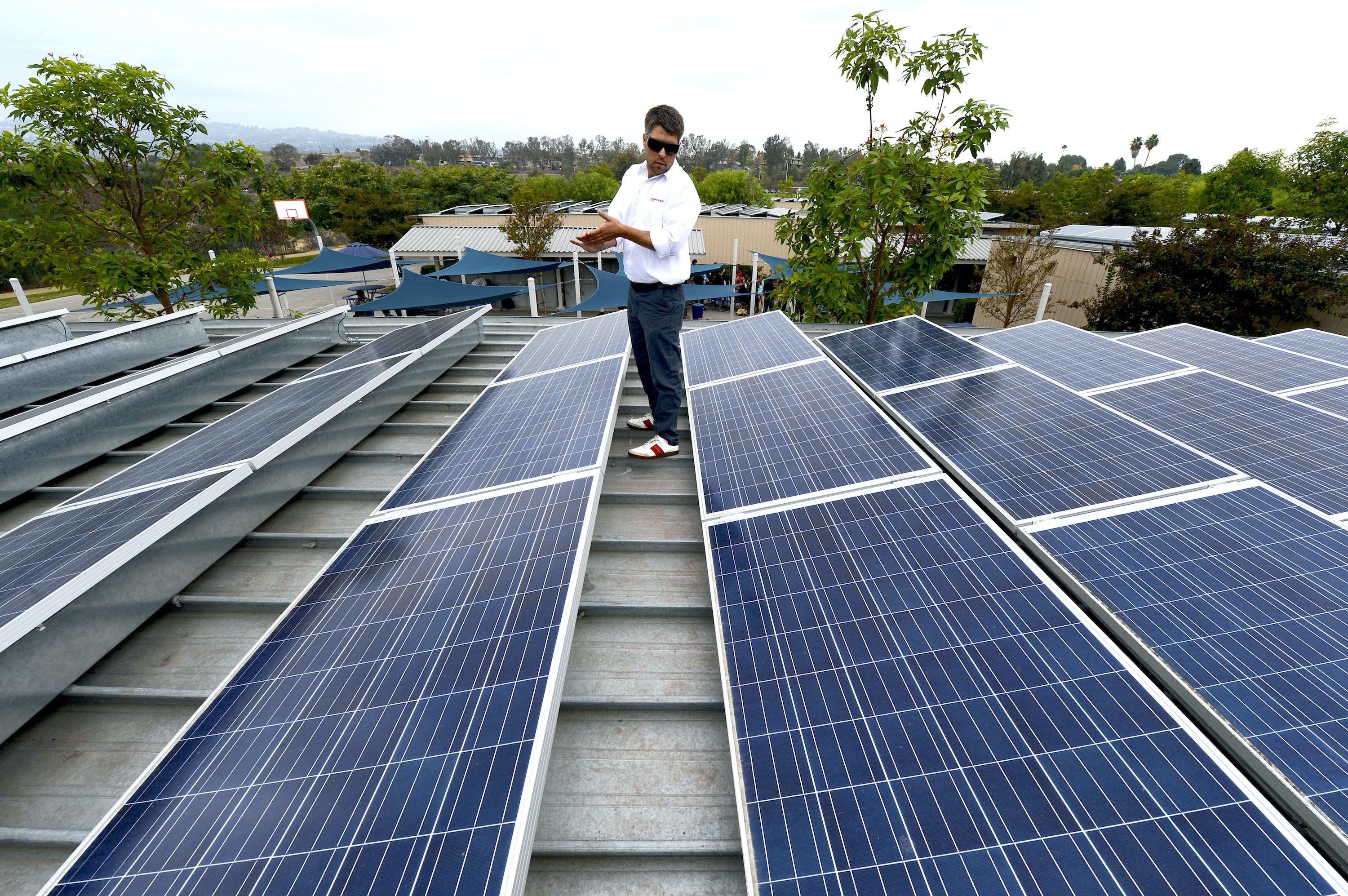
Over on Palos Verdes Drive North, the new school’s design features included solar-powered hot water, high-efficiency light fixtures, low-flow toilets and storm-water collection and reuse. Its landscaping would employ low-impact plants, such as creeping rosemary and olive trees, that wouldn’t require heavy watering.
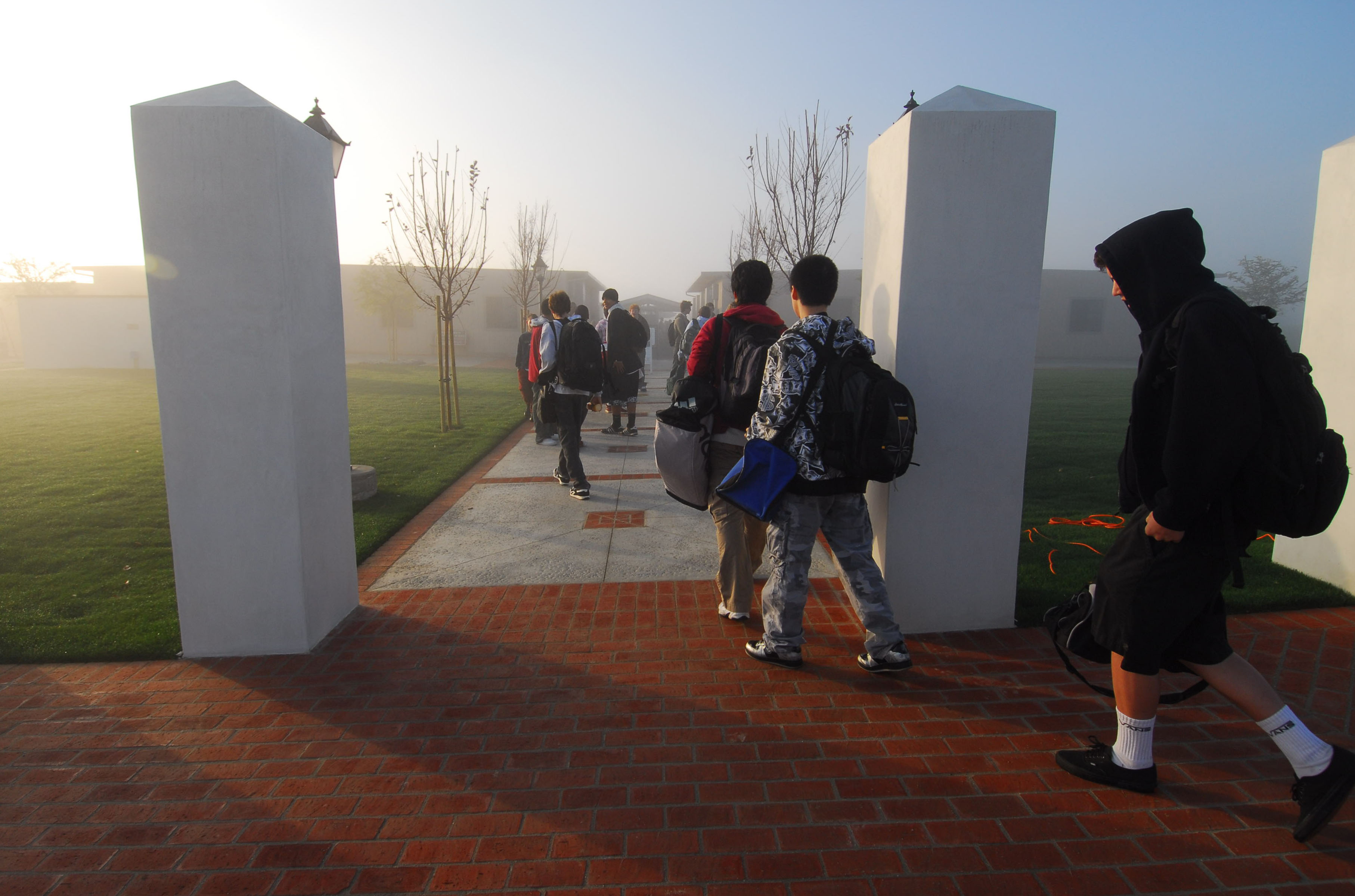
The big day finally arrived on Feb. 6, 2007, when RHP and Renaissance students finally moved to their permanent campus.
In September 2019, the REACH school was added to the RHP campus. REACH offers focused and personalized plans for elementary and middle school students who struggle with learning differences, with the aim of easing their transition into further education.
Through it all, the three schools continue to offer educational opportunities to a wide spectrum of students from grades 1-12, meeting the needs not only of college-bound students, but also of those students needing more individual attention to help them thrive.
Sources:
Daily Breeze archives.
“History,” Rolling Hills Prep, REACH & Renaissance Schools website.
Los Angeles Times archives.
Palos Verdes Peninsula News archives.
“Rolling Hills Preparatory School Continues to Make an Impact on SoCal Students, Regardless of Learning Type or Ability,” southbay website.

