
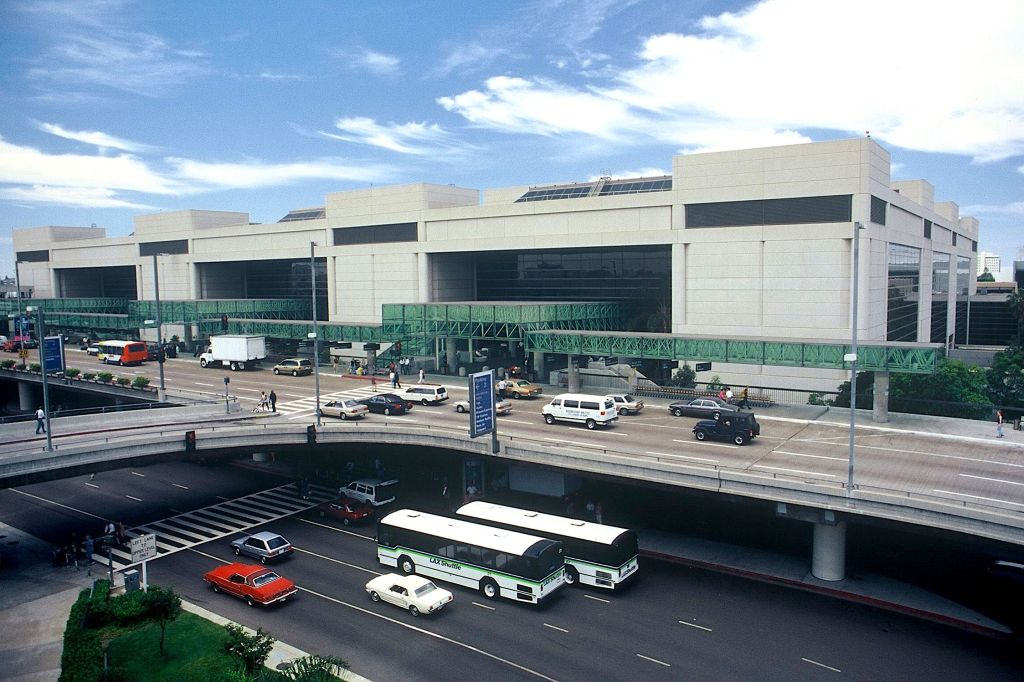
At 1:47 p.m. on June 18, 1984, El Al Airlines Flight 6 to Tel Aviv by way of Chicago and Amsterdam left Gate 101 to become the first plane to use the new $123 million Tom Bradley International Terminal (TBIT) at Los Angeles International Airport.
Necessity forced the new building’s creation. International flights originally used Terminal 2 at LAX, which was built in 1962. (LAX opened in 1949.) In those days, there were smaller planes and far fewer international flights.
The arrival of jumbo jets such as the Boeing 747 at the dawn of the 1970s changed the equation. Larger jets meant more people flying longer distances needed to be accommodated at the airport. In 1962, 267,000 passengers flew internationally from LAX; by 1977, that number had reached 3.3 million.
Terminal 2 had grown completely inadequate. Its customs facility, built in 1960, was half as large as needed, and incoming international passengers often had to wait on airplanes for an hour or more after they landed because of the backup at customs.
In 1978, both temporary and permanent solutions were proposed by the Los Angeles Dept. of Airports (now known as LAWA, Los Angeles World Airports). The temporary solution: three giant inflatable “bubble buildings” installed next to Terminal 2 to help ease crowding and speed processing of international travelers.
The permanent solution: the construction of a new large international terminal at the airport concourse’s western end, where smaller local airlines operated at the time.
Those measures became just part of a major airport upgrade needed not only to bring the facility into the modern era, but also to do so in time for the 1984 Summer Olympics, which the city had been awarded in 1978.
The $700 million plan included the addition of a new Terminal 1 to handle shorter flights, the construction of an upper level to the roadway connecting auto traffic to the terminals and the addition of three multilevel parking garages to the interior of the airport loop. Airport officials had been planning the project since 1971.
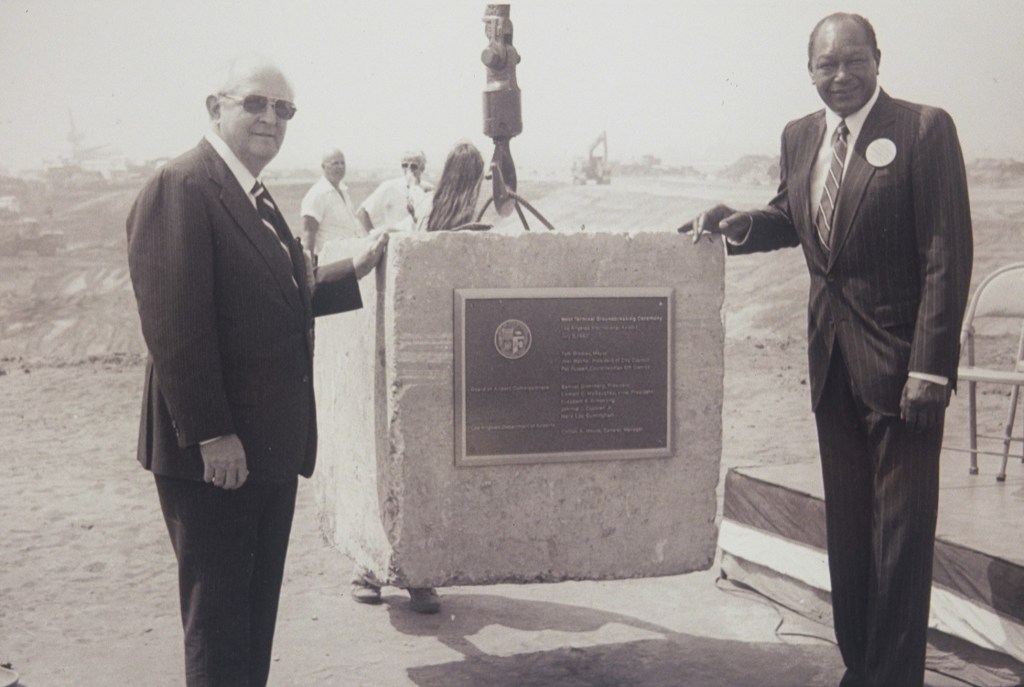
Architects William Pereira, Daniel Dworsky, Benito Sinclair and John D. Williams teamed up to design the new facility. Mayor Tom Bradley, who served from 1973 to 1993, was an enthusiastic supporter of the renovation, hence the decision to name the international terminal after him in March 1984.
The building’s plans called for 858,000 square feet of floor space on five levels, with natural lighting from a 60,000-square-foot skylight, and would have the ability to accommodate as many as 7,000 passengers during peak hours.
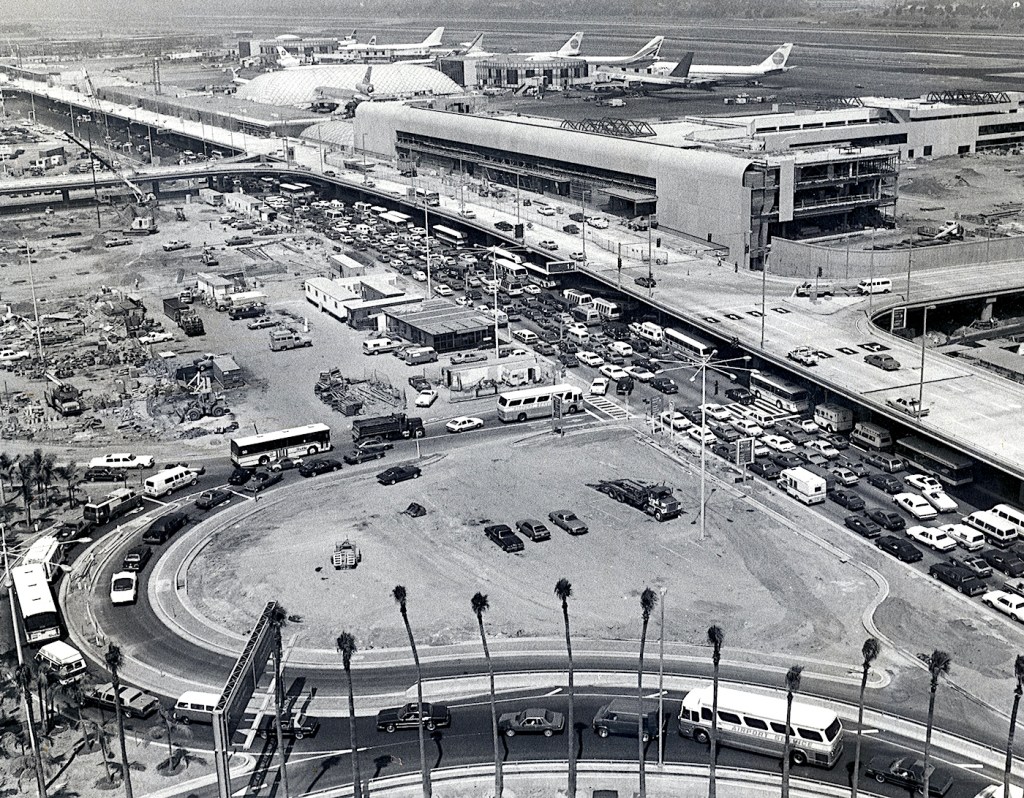
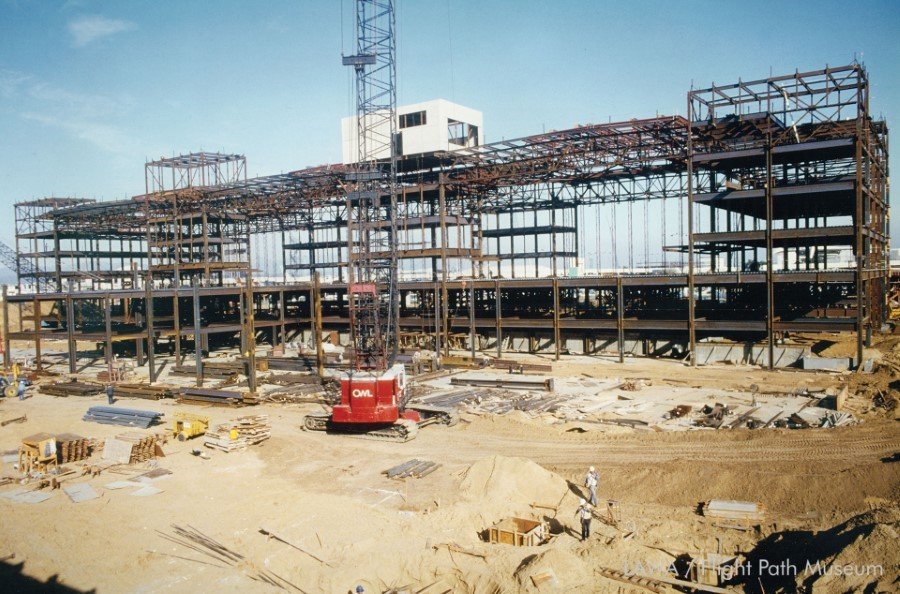
Construction on the terminal began in the spring of 1982, with completion expected to take two years. The anticipated spring 1984 opening would be well in time for the Olympics, which were set to begin on July 28, 1984. On the down side, building double-decked roads, parking garages and two new terminals all at the same time snarled traffic at the airport beyond belief for the next couple of years.
As the 1984 deadline approached, concern began to grow that the terminal might not be completed in time. A May 26 deadline had been set early in the year, but labor disputes and unexpected construction glitches caused some doubts.
Fortunately, a last-minute effort pushed the TBIT project over the finish line in early June, and its dedication was held on June 11, 1984. The ceremony signaled the end of the massive LAX renovations, and airport operations went smoothly during Summer Olympics.
Between then and now, the TBIT has undergone several major renovations of its own. In fact, the Airport Board of Commissioners approved not just a renovation, but a complete rebuild of the existing terminal in 2009.
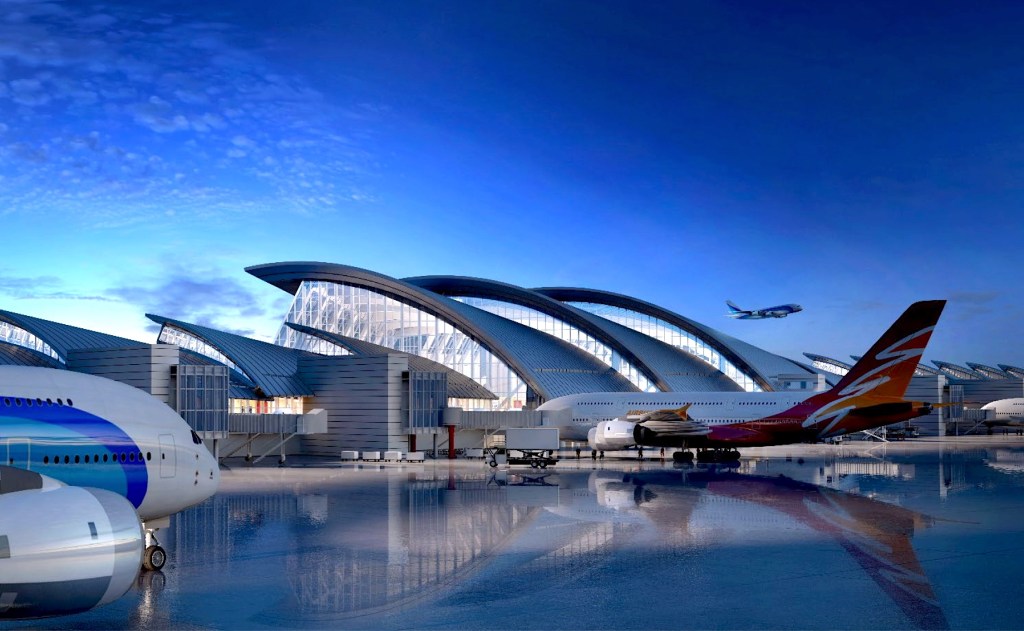
The first portion of the newly rebuilt terminal, which cost just under $2 billion, opened in September 2013, with the second phase being completed in 2015. The updated terminal included expanded eateries and upscale shopping areas. Its huge main hall was named Villaraigosa Hall, after Antonio Villaraigosa, the city’s mayor from 2005-2013.
A related project finished in 2016, the construction of an indoor passageway structure between TBIT and Terminals 4-8 on the airport’s south side. A similar structure connecting TBIT to Terminals 1-3 on the airport’s north side is expected to be completed in late 2023. Both will improve the ease of passenger connections between domestic and international flights.
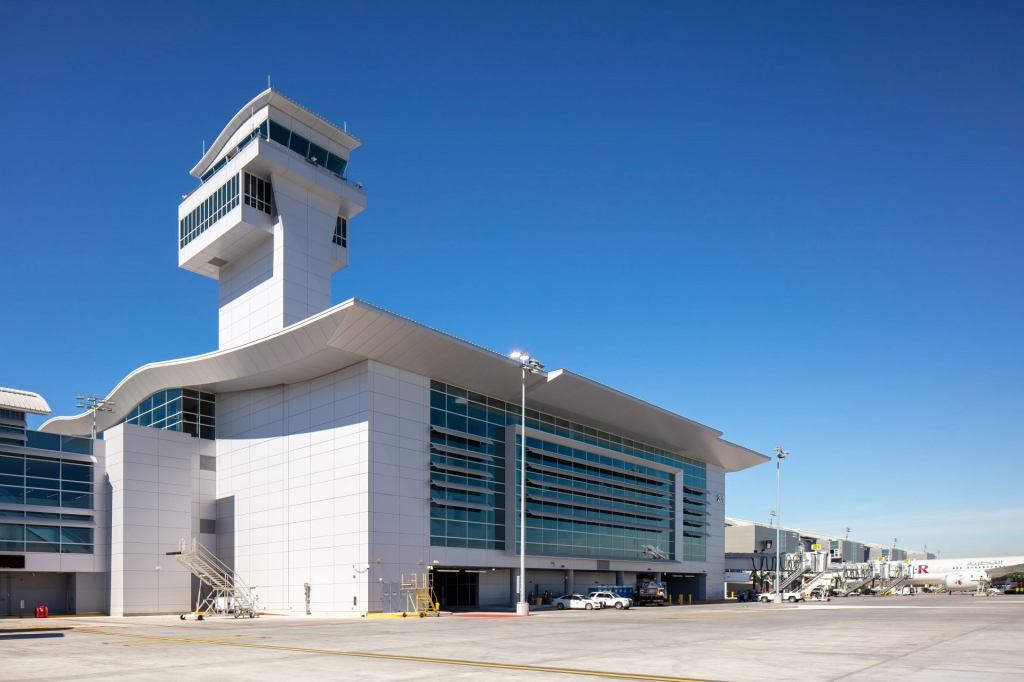
The next phase of TBIT enhancements includes the construction of additional gates. The first such building, the West Gates Complex, opened in May 2021 and added 15 new airplane gates, and additional shopping and eating options. The structure, also known as the Midfield Satellite Concourse, connects to the main TBIT via a 1,000-foot underground tunnel with moving walkways.
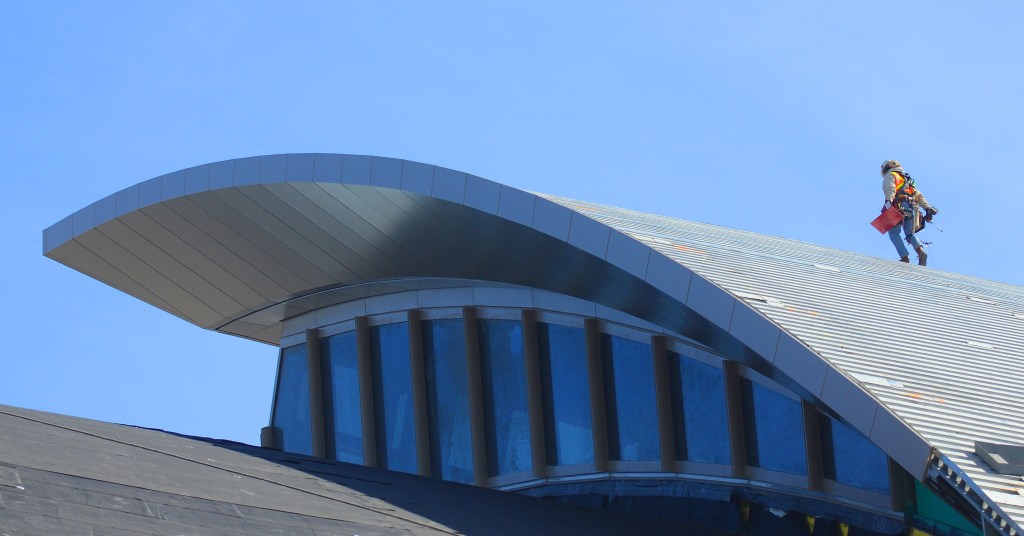
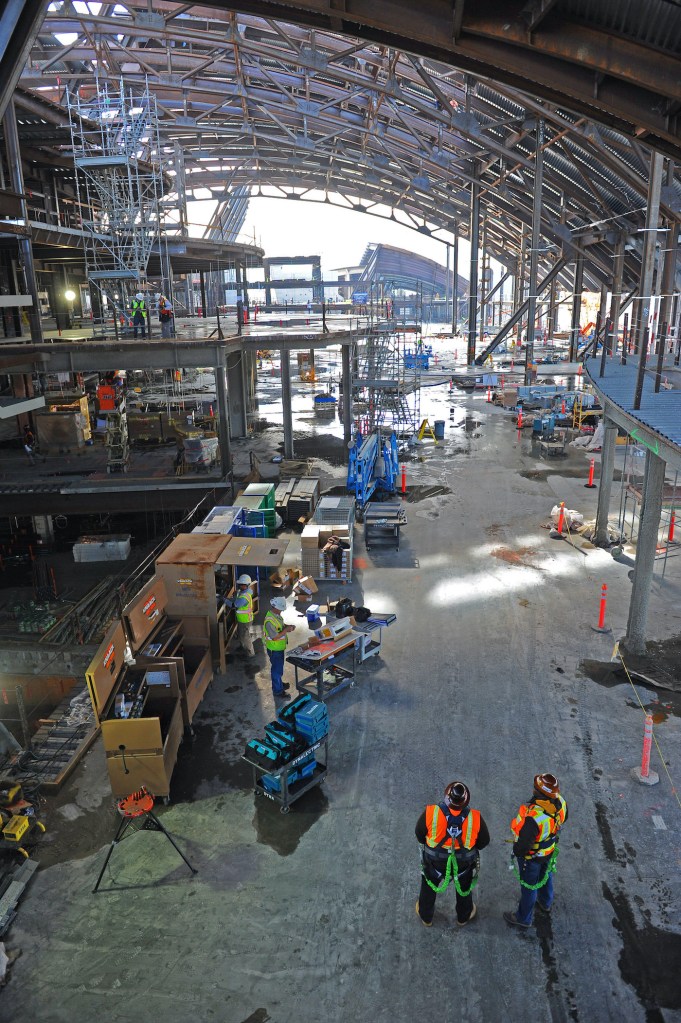
The Midfield Satellite Concourse South is yet another extension of the TBIT that is still under construction, with completion expected in 2025. It will add an additional eight gates for international flights.
Sources:
Daily Breeze archives.
LAWA (Los Angeles World Airports) website.
“LAX and the Buildup to the 1984 Olympics,” by Jean-Christophe Dick, Flight Path Museum LAX website, July 22, 2021.
“LAX Midfield Satellite Concourse South project takes a step forward,” by Steven Sharp, Urbanize Los Angeles website, Nov. 9, 2022.
Los Angeles Times archives.


T2 was around in the late 1950s? I was under the impression that the terminals in the horseshoe opened in the very early 60s, but maybe T2 was before that? I also didn’t realize it was the international terminal prior to TBIT.
LikeLike
You’re correct. Terminal 2 opened in 1962. The blog has been corrected. Thanks!
LikeLike