The small community of Lomita traces its origins back to 1907, when the W.I. Hollingsworth Co. purchased its land for development.
By 1909, the first churches, banks and stores had been built in the sleepy enclave. Farmers raised a variety of crops in the area, which once boastfully called itself “the celery capital of the world.”
The 1920s oil boom brought more people to the area, though farming remained its main business. A move toward incorporation came in 1929, when surrounding cities, mostly Torrance, began making noises about annexing the settlement. It failed, however.
The area would remain part of Los Angeles County for many more years, and it was the County government that Lomita residents began to petition for a public park to be built during the 1930s.
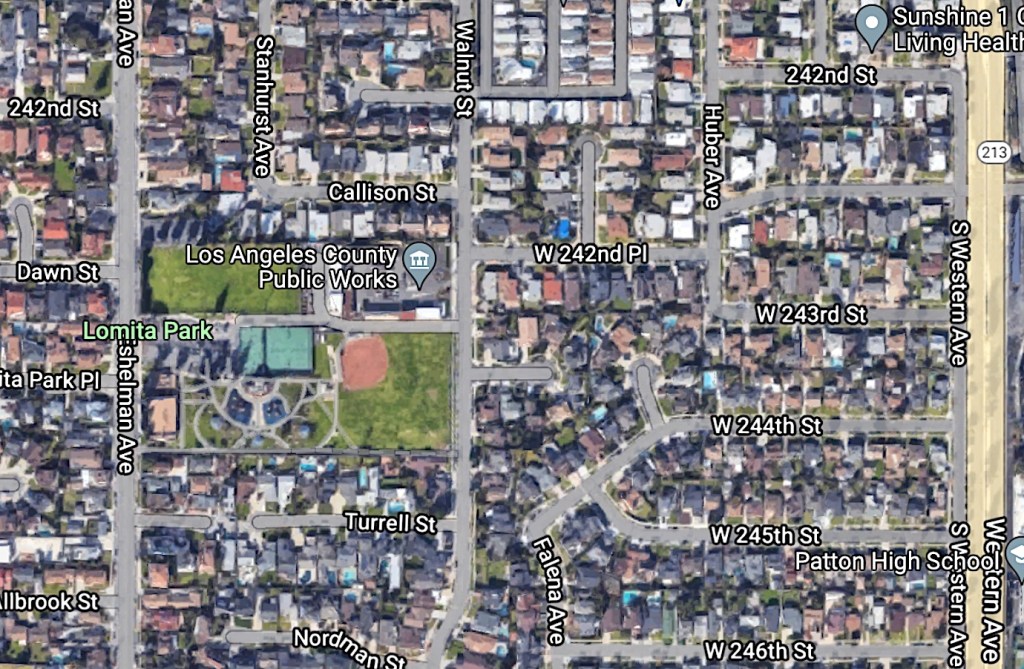
In January 1937, local realtor John Welte took the park idea to County Supervisor Leland Ford. He suggested the six-plus acre former Edwards estate as the park’s site, offering to sell it to the county for $7500. The rectangular plot, empty except for a five-room house and some outbuildings, lie between Eshelman Ave. and Artisano St. (later renamed Walnut).

Ford turned him down flat at first, but later changed his mind. In July 1937, the Board of Supervisors allocated $8000 in its budget for 1937-38 for the purchase of land for the new park. A local citizen’s group unanimously endorsed the idea.
In December, the board approved the purchase, agreeing to pay Welte’s asking price after determining it to be fair. The sale became official in March 1938, and work was slated to begin on transforming the land into a park. The five-room house would be kept and converted into a community center.
But money was hard to come by in a country still suffering from the Depression. Also complicating matters, development was halted when the possibility of turning the land into an active oil field was broached that August. Fortunately, that plan eventually was dropped, but not before delaying the start of work on the park.
The county stepped up with an initial $3500 with which to start construction. Its engineers proposed a couple of plans, one of which included a baseball diamond. The local chamber of commerce preferred a plan calling for a smaller softball diamond, tennis courts, playground equipment and bleachers.
The county agreed to pay for initial landscaping, but not ongoing maintenance. In May 1940, Narbonne High gardening students were recruited to do the actual planting, under supervision from a county agronomist. They planted more than 800 shrubs over the ensuing months.
As work continued on the playground and other facilities, local groups began pressuring the county to build a new recreation center building at the park at a cost of $20,000, but the county demurred.
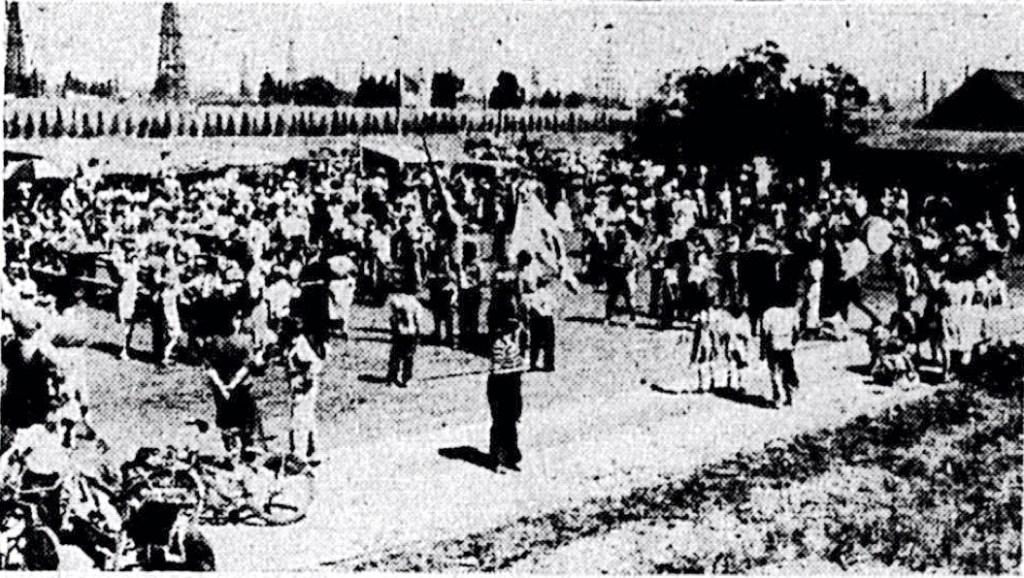
Still, excitement for the new Lomita Park grew. It reached a peak on Sept. 20, 1941, when the Town Hall Parade through the city wended its way to the park, then still very much still under construction. The Torrance Herald estimated that 2,000 people flowed into the park following the parade.
Two months later, all progress on the partially completed park stopped with the U.S. entry into World War II following Pearl Harbor.
Funds were allocated to continue working on Lomita Park again in 1945, and Los Angeles contractor H.J. Farrington was hired for the job. His progress was slowed by a new problem: acquiring sufficient building materials during the postwar housing boom.
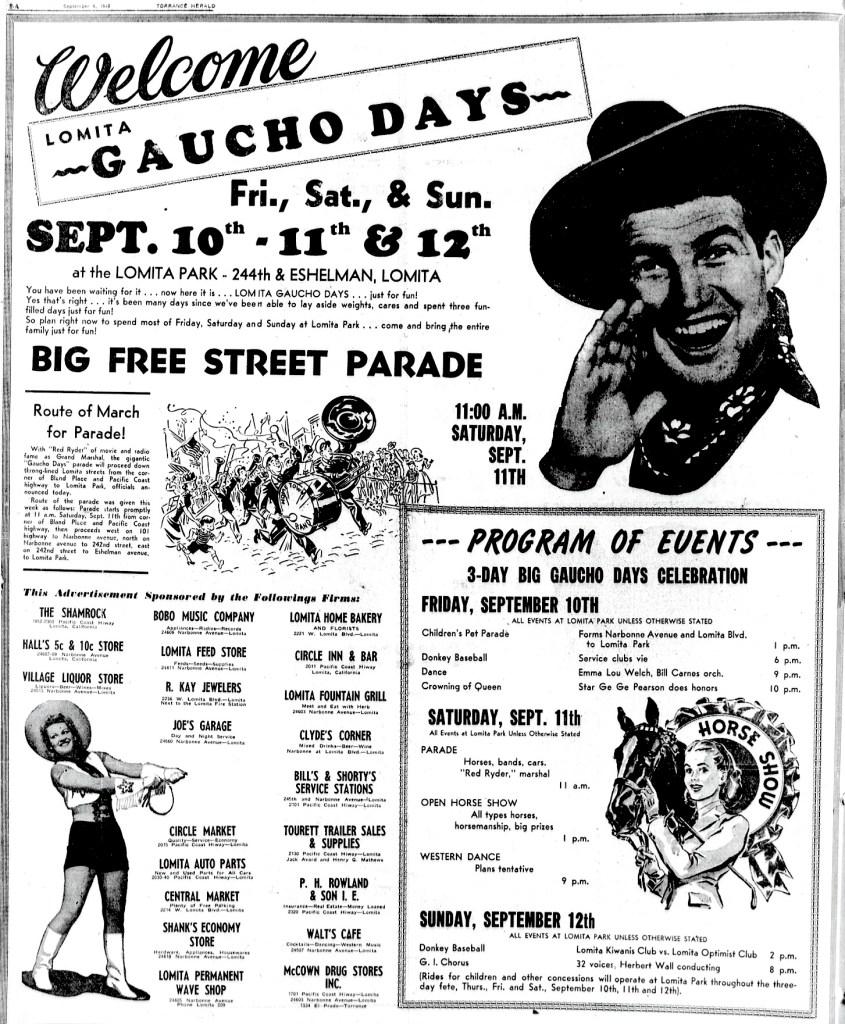
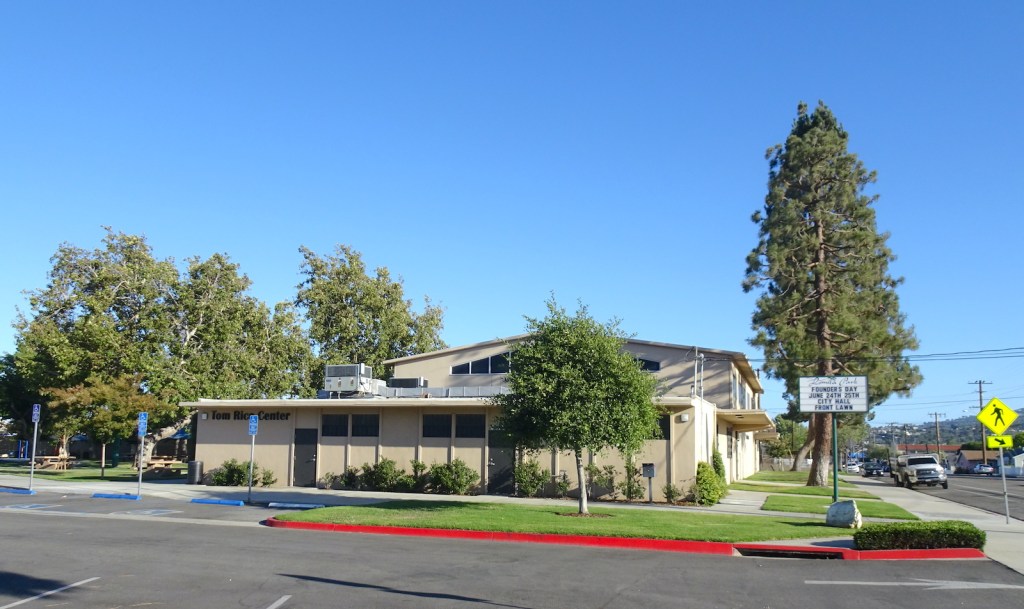
The park remained closed to the public for the next couple of years while Farrington scrambled to finish the project in 1948. That September, the new park hosted the “Gaucho Days” community celebration. A couple of years later, the park got its long-requested community center, which opened in 1950.
When the city of Torrance once again began making annexation noises during the mid-1950s, Lomita’s residents began another incorporation movement. In June 1964, its residents voted in favor of becoming a city, 2,078 to 1,742. Incorporation became official on June 30, 1964, and, that December, ownership of Lomita Park was transferred from Los Angeles County to the new city.
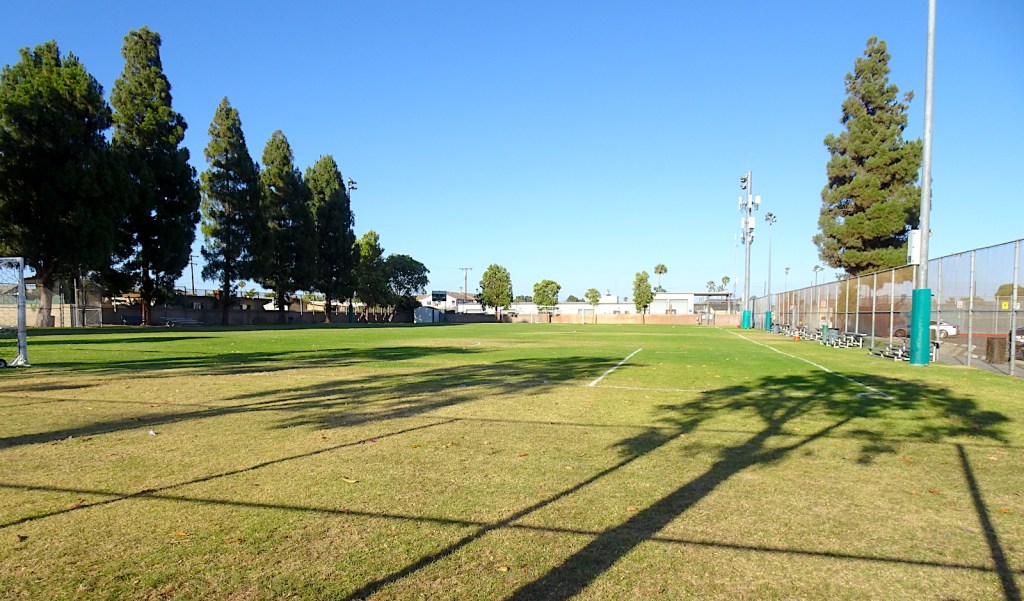
Since then, Lomita Park has become the city’s recreational mecca. It currently has the softball field, two tennis courts, a basketball court, a soccer pitch, expanded picknicking and playground areas and an indoor gymnasium.
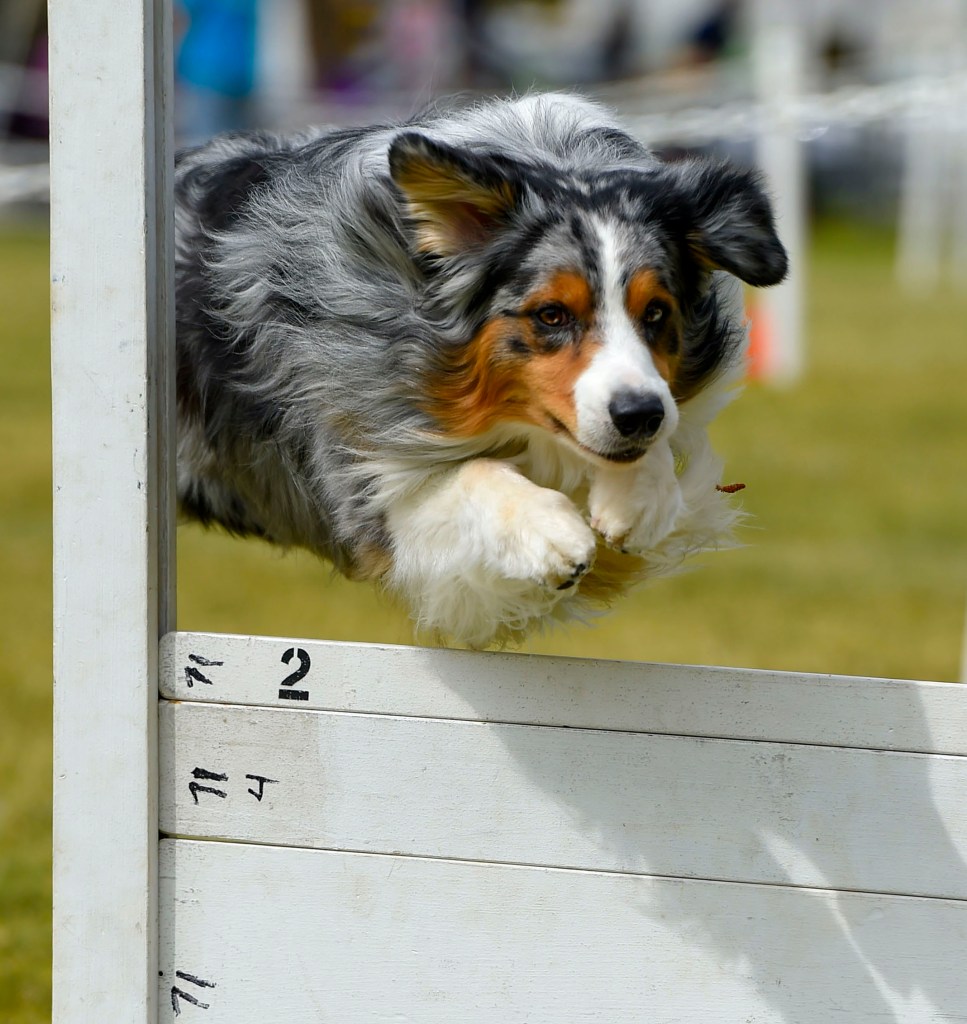
The city operates dozens of recreational programs and sports leagues there. One of its longest running offerings is a dog obedience class run by the Lomita Obedience Training Club since 1954.
Lomita Park also hosts the city’s annual Founders Day celebration every June, a community fiesta on the last Saturday of the month which includes rides, games, food and the city’s annual fireworks show. This year marks the return of the festival following its cancellation due to COVID-19 in 2020 and 2021.
Sources:
City of Lomita website.
Daily Breeze archives.
Lomita … A Century Remembered: From Barley to Barnyards to Boulevards, by Jim Cole, Advanced Printing/Graphics, Wilmington, Calif., 2007.
Lomita Obedience Training Club website.
Peninsula Press archives.
San Pedro News Pilot archives.
Torrance Press Herald archives.