
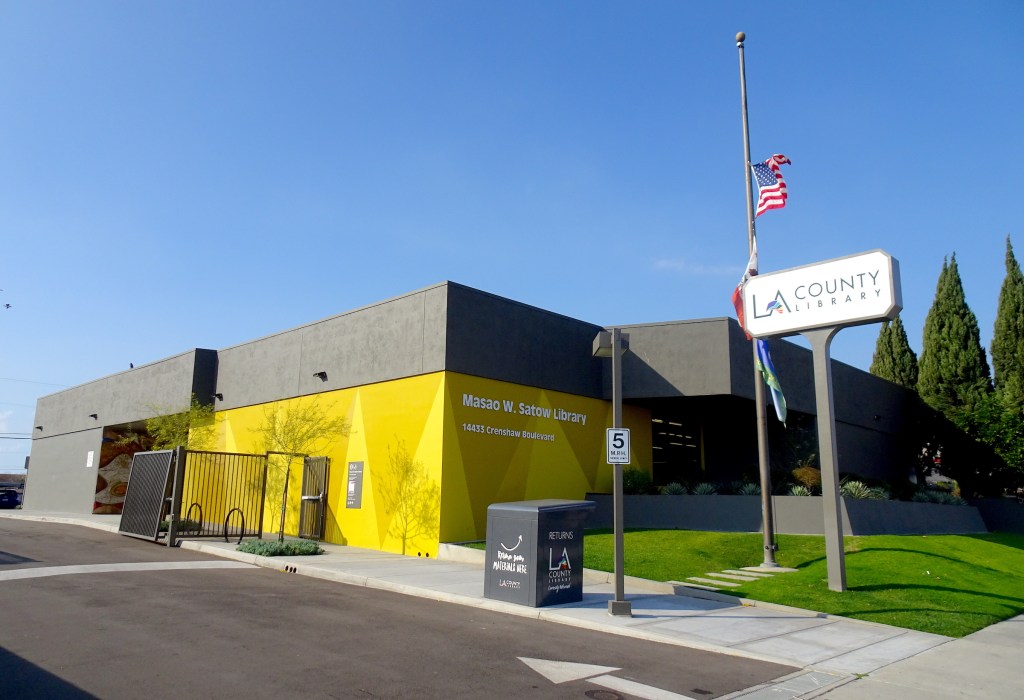
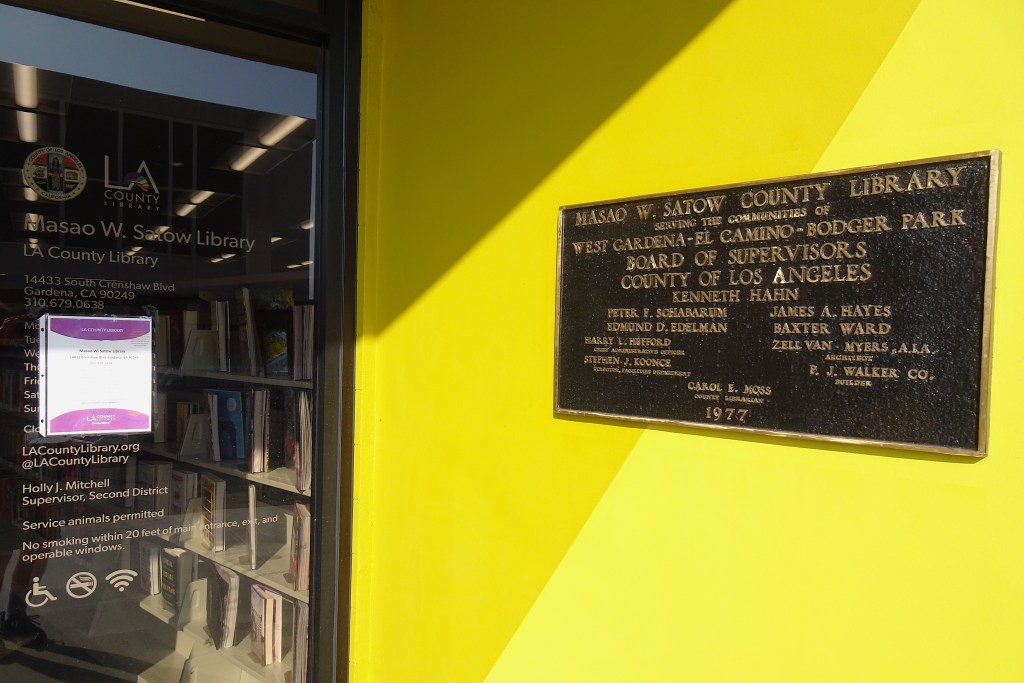
The Masao W. Satow branch of the Los Angeles County Library stands on the same unincorporated parcel of county land that includes El Camino Village.
The building occupies a narrow triangle at the northern end of the parcel, on Crenshaw Blvd. between the Hawthorne and Gardena city limits, though it’s most often associated with Gardena.
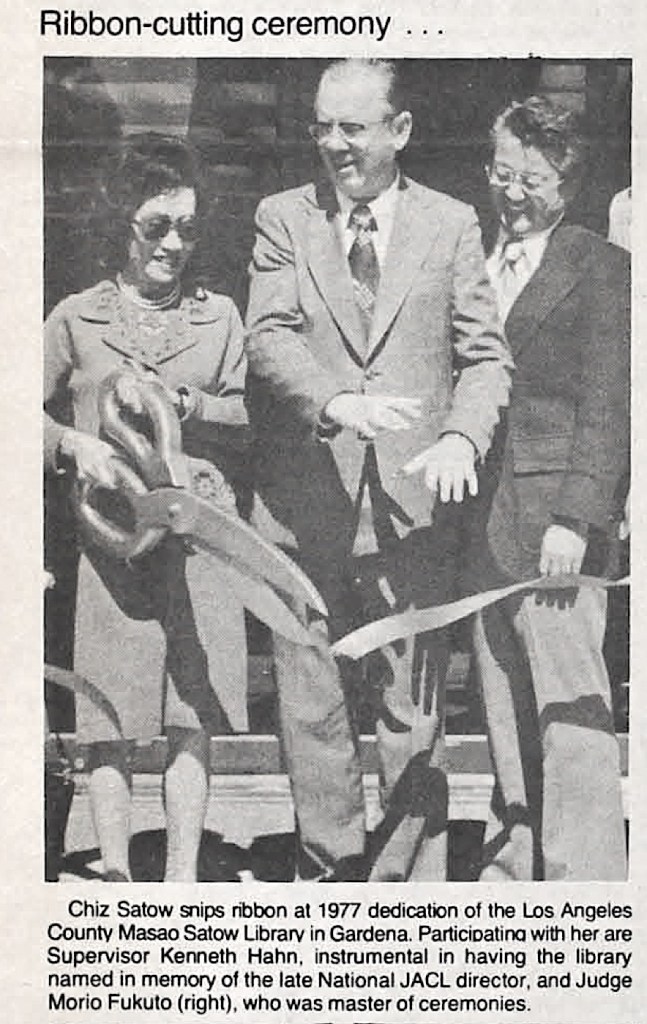
When the new library was announced in 1976, the vibrant Japanese-American community in the area petitioned County Supervisor Kenneth Hahn to name it after Masao William Satow, who had died in March of that year.
Calling Satow “one of America’s most distinguished civic leaders,” Hahn agreed with them, and presided over the dedication of the new library on March 26, 1977.
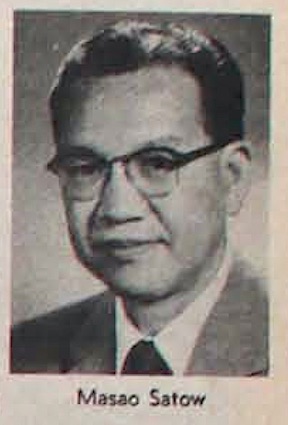
Satow didn’t live in the South Bay – as we’ll see, his work often took him away from the area – but he had many connections here. His wife’s parents eventually settled in Torrance, and he spent a lot of time working with the South Bay’s sizable Japanese-American population.
He was born Masao William Satow in San Mateo, California, on Feb. 14, 1908 to Japanese immigrant parents Shuzo and Kiyose Satow. His family moved south to Los Angeles when he was young, and there he attended Los Angeles Polytechnic High School.
From there, he attended UCLA, graduating in the last class at the school’s old campus on Vermont Ave. in 1929, before it moved to Westwood. He then considered becoming a minister, spending three years at Princeton Theological Seminary before returning to Los Angeles.
He began working for the YMCA, where he was named general secretary of the organization’s Japanese division, a position he would hold for several years. He was based mostly at the Southwest YMCA, a small but thriving branch located at 84th St. and Normandie Ave.
While at the Y, he began what would be a lifelong effort to fight prejudice against Japanese Americans, speaking often at community meetings as an advocate for their peaceful assimilation into American society. He expressed special concerns for the fate of the growing Nisei (second generation) Japanese-American population.
This task became increasingly more difficult with the approach of World War II, and heightened tensions in Asia resulting from Japan’s ruthless empire building in the years leading up to the war.
Speaking at a Fern Ave. Elementary School meeting in Torrance on “Japanese Night” in January 1940, Satow told the assembly the following, as reported in the Torrance Herald:
“We are not spies trying to make California a part of Japan. Nor are we trying to combine the social customs of the Orient with those of the Occident. All we want is a chance to let you know how we think and feel, and to give America some of the best elements of Japan and America that are blended in our personalities and are our only heritage.”
The attack on Pearl Harbor on Dec. 7, 1941, only made Satow’s task more difficult. In the weeks following it, he worked tirelessly to differentiate Japanese-American citizens from the imperialist Japanese that had attacked and declared war on the U.S.
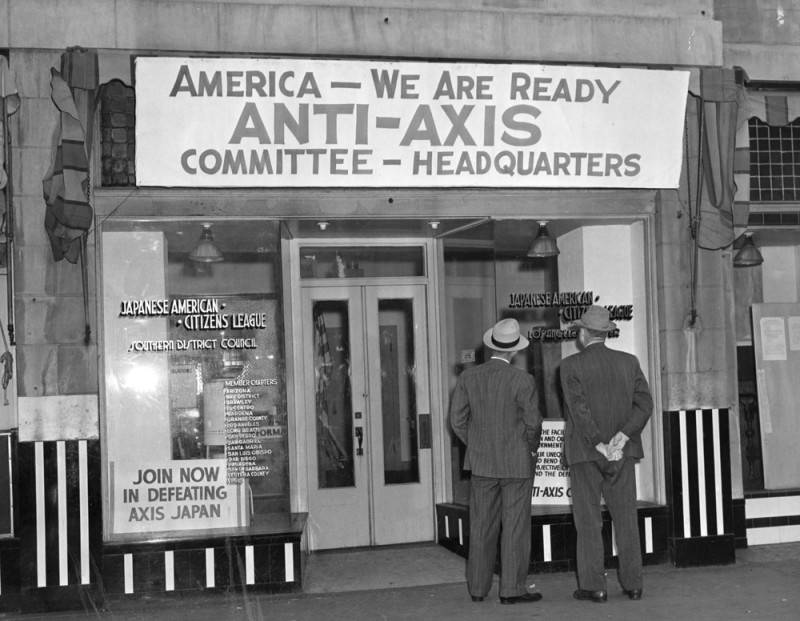
He had become affiliated with the Japanese American Citizens League in 1932, an advocacy group formed three years earlier. The JACL’s goals matched Satow’s. The group went so far as to open a storefront office in the Little Tokyo area of Los Angeles in December 1941 that proclaimed its opposition to the actions of “Axis Japan.”
Unfortunately, Satow and his new wife, Chizuko Uyeda, were swept up in the tide of anti-Japanese sentiment and ordered to report to the Santa Anita assembly center in 1942. From there, they were sent to the War Relocation Authority Camp in Amache, Colorado.
That didn’t keep Satow from continuing his advocacy work. He organized YMCA groups at ten relocation centers throughout the west while in the camp.
After being freed from custody, the Satows settled first in Utah, then Milwaukee, before he got an offer in 1946 to become president of the JACL, headquartered in San Francisco. He would stay in that job for the next 27 years.
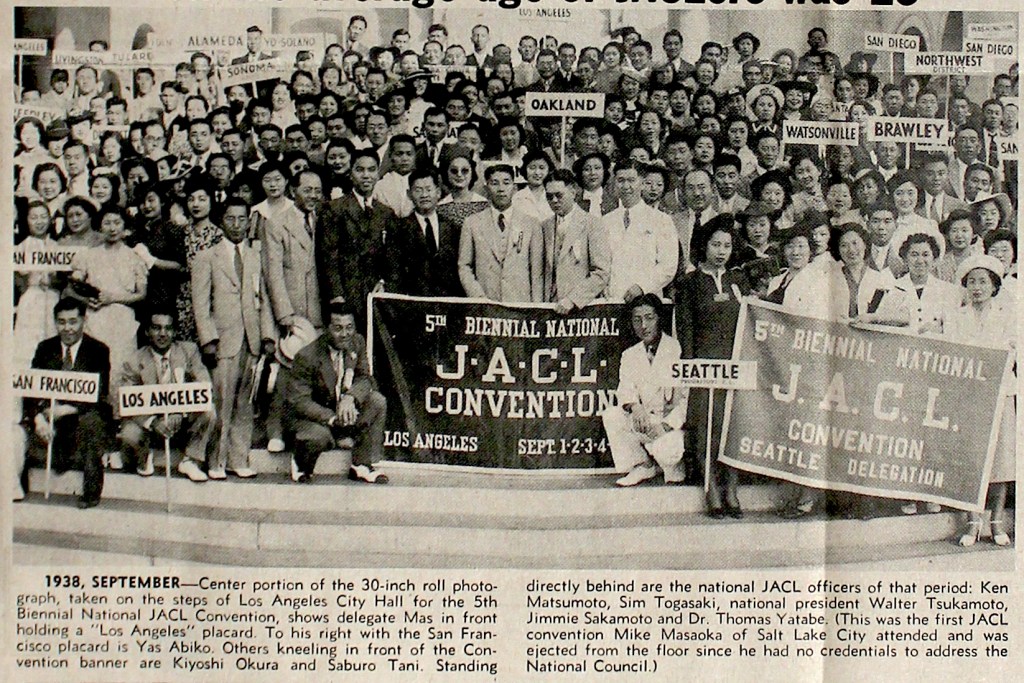
Under his leadership, the JACL redoubled its battle against discrimination and racism, which only had been exacerbated by the loss of thousands of American lives in the fight against the Japanese in the Pacific theater.
Satow supported the mid-20th century civil rights movement, considered a controversial stand at the time. He also raised funds for the JACL to build a new headquarters in San Francisco during the 1960s.
He retired from the job in 1973, after accepting a position as a senior adviser at Sumitomo Bank. He died peacefully at 68 on March 3, 1976.
In addition to the Los Angeles County Library branch being named for him, the JACL headquarters building which Satow had helped establish was renamed in his honor at a rededication ceremony on March 5, 1976, two days after his death.
Sources:
Daily Breeze archives.
Japanese Americans Citizens League website.
Los Angeles Times archives.
“Masao Satow,” by Brian Niiya, Densho Encyclopedia database.
Pacific Citizen archives.
Rafu Shimpo archives.
Torrance Press-Herald archives.

