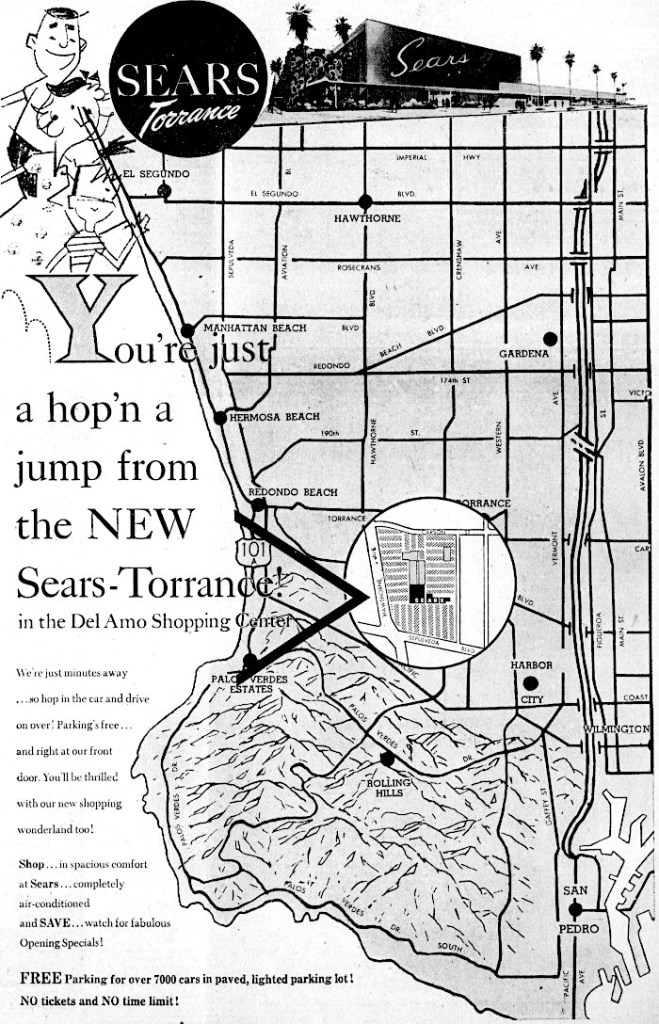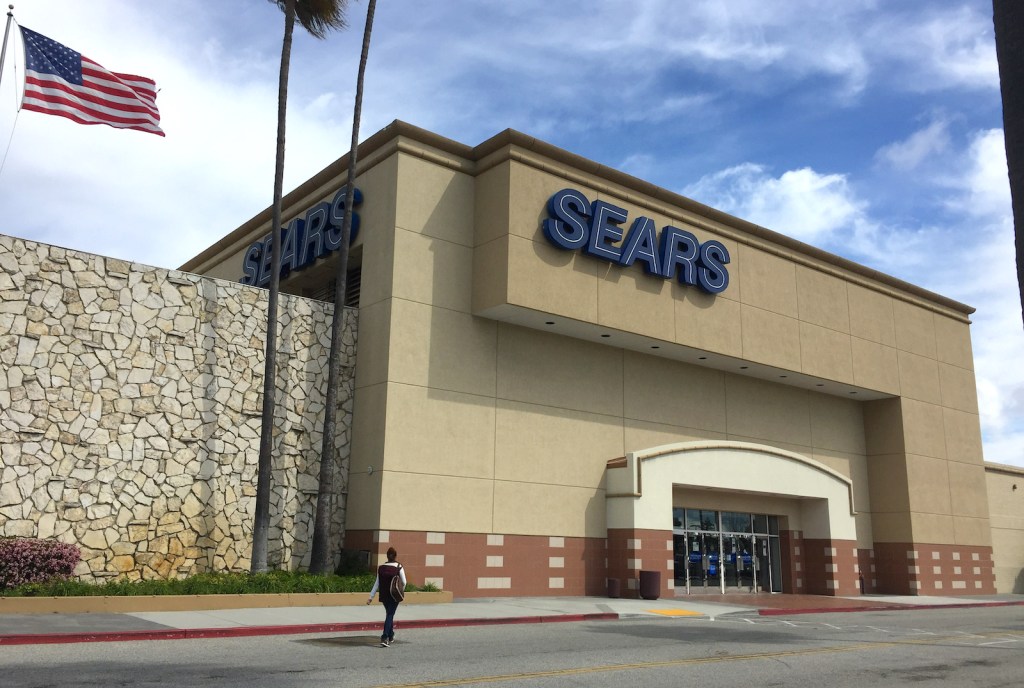
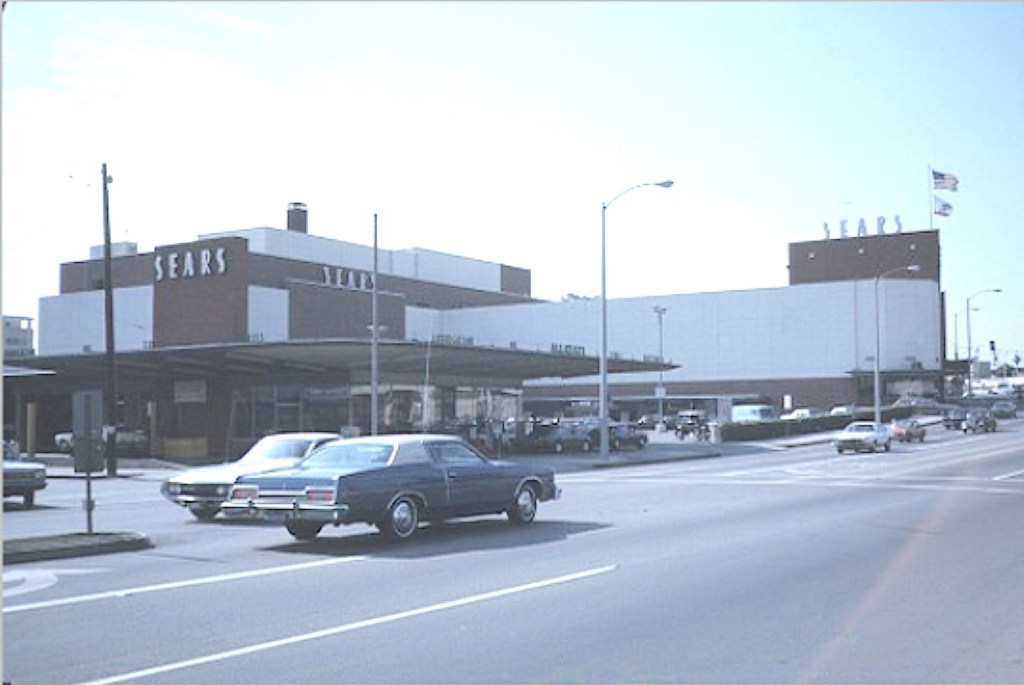
Before the arrival of the Torrance Sears store in 1959, South Bay residents had to rely on the Sears location in Inglewood for its appliances, Craftsman tools, everyday apparel and assorted other little-bit-of-everything needs.
Shoppers were enticed during the 1950s by full-page ads in local papers such as the Torrance Herald extolling the bounteous goods available at the closest Sears location at Manchester Blvd. and Hillcrest Ave., currently home to a Vons market.
By breaking ground in December 1957 for the giant Del Amo Shopping Center, Torrance took a major step toward becoming the eventual retail powerhouse it is today.
The $40 million outdoor center’s boundaries included Carson Street and Sepulveda Boulevard to the north and south, and Hawthorne Boulevard and Madrona Avenue to the west and east.
Its first anchor store, The Broadway, opened in February 1959, followed by Sears that September, and J.C. Penney’s in March 1961.
After operating as a mail-order house with its famous catalog for years, Sears had begun its retail operations by opening its first brick-and-mortar store in Chicago in 1925.
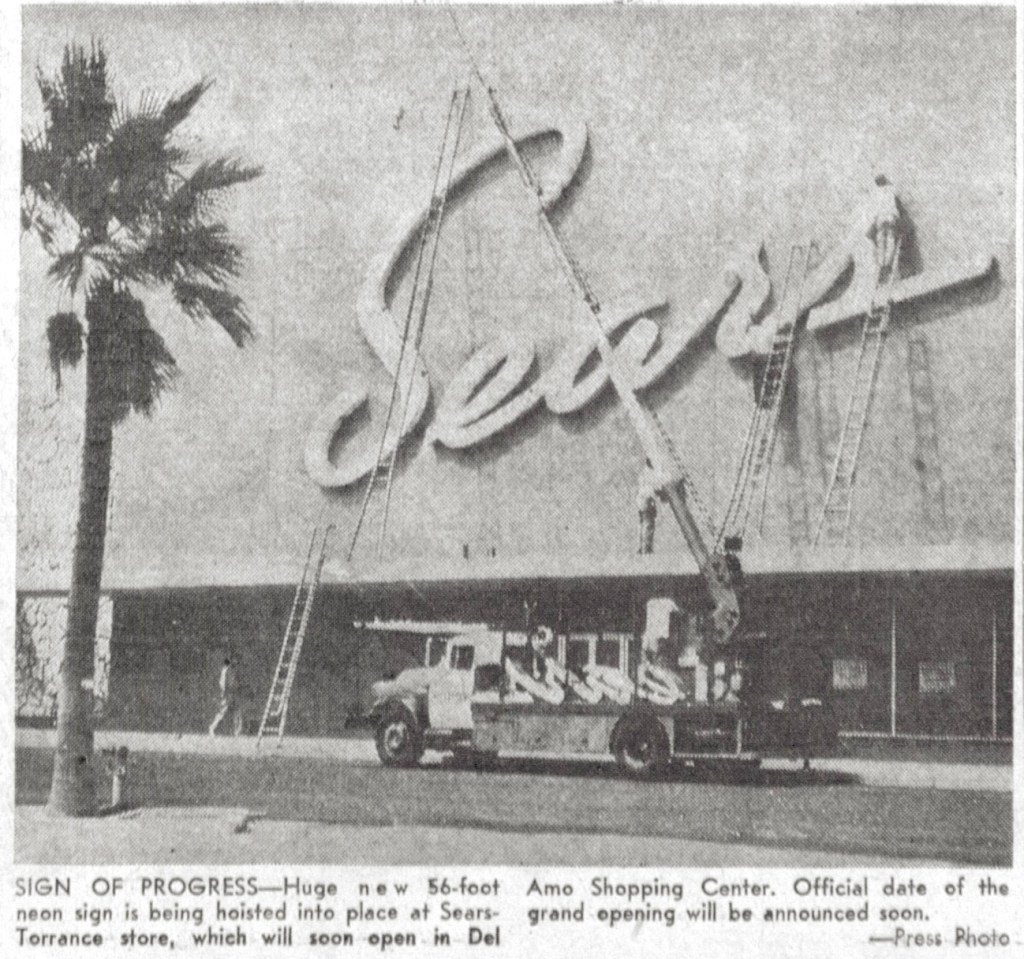
In the 1950s, the opening of a Sears store in one’s hometown was a major event. Both the Torrance Herald and the Torrance Press ran special sections celebrating the store’s grand opening, held on the morning of Sept. 30, 1959.
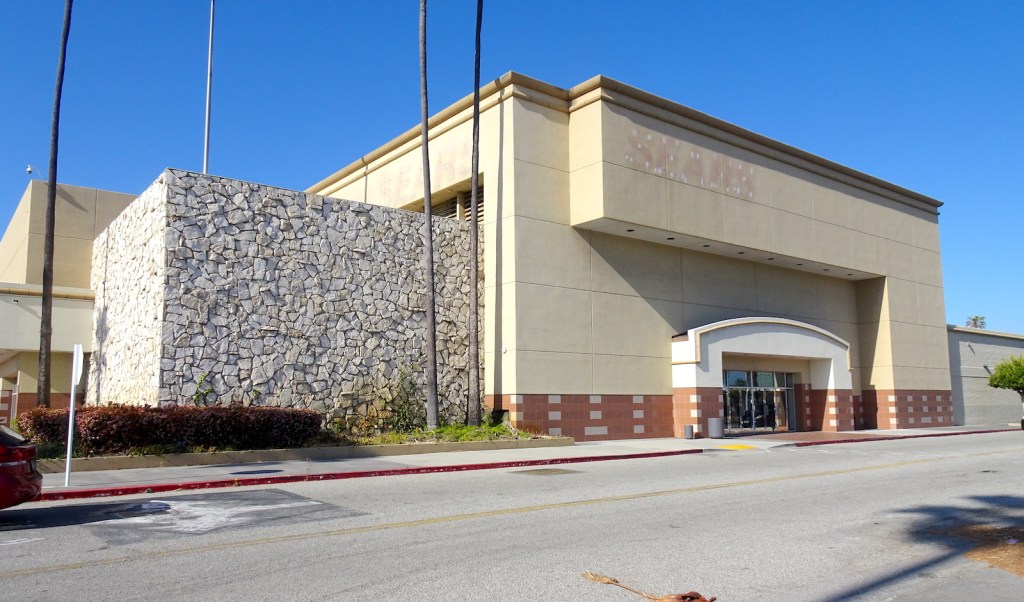
Construction on the new store at 22100 Hawthorne Blvd. had begun on Sept. 11, 1958. The architects, Stiles & Robert Clements, had worked several innovative features into the design.
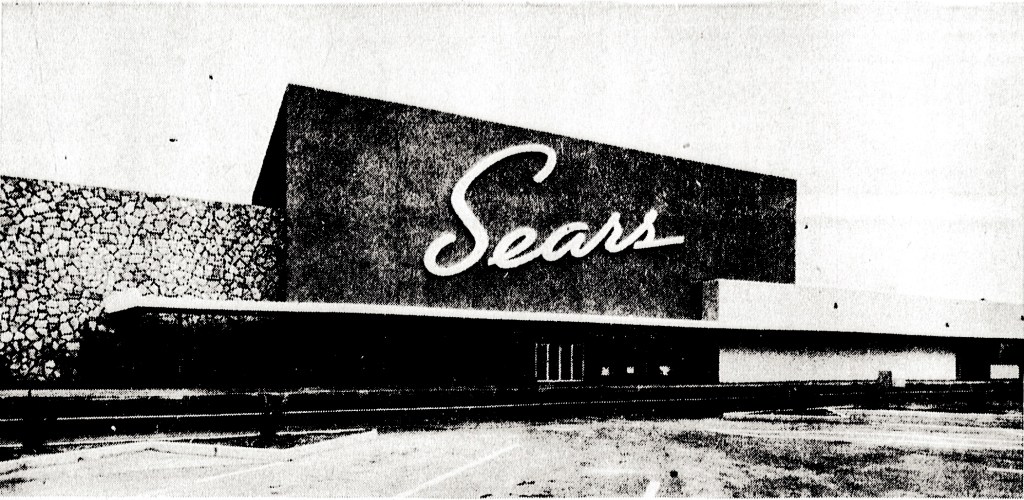
There were no exterior display windows, unusual for a department store. The boating supplies department had its own mini-marina built in, and a separate auto service and supplies building east of the main store made it convenient to have one’s car serviced while shopping. Of course, shoppers could also order goods from the retailer’s legendary catalog while in the store.
Perhaps the most unusual feature was the basement-level storage floor beneath the main one-story shopping floor, which contained 52 different merchandise departments. Goods of all sizes could be moved to the sales floor easily with the help of conveyor belts and freight elevators, with no need to wait for warehouse shipments on larger items.
General contractors Hilp and Rhodes undertook the construction of the new store, whose dimensions were impressive. Built on a 23-acre site, its total gross floor area measured 283,893 square feet, more than six acres, counting both levels. Its lots contained parking for 2,000 cars, and the store employed 1,200 workers upon its opening in 1959.
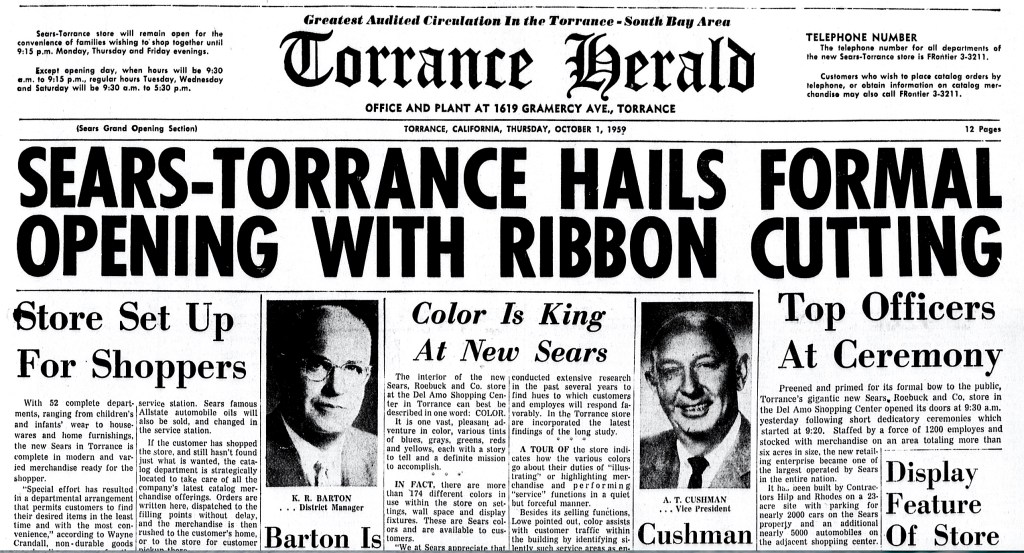
The store, one of the chain’s largest at the time, proved immensely popular in its early years, drawing shoppers from all over the South Bay and the Harbor Area.
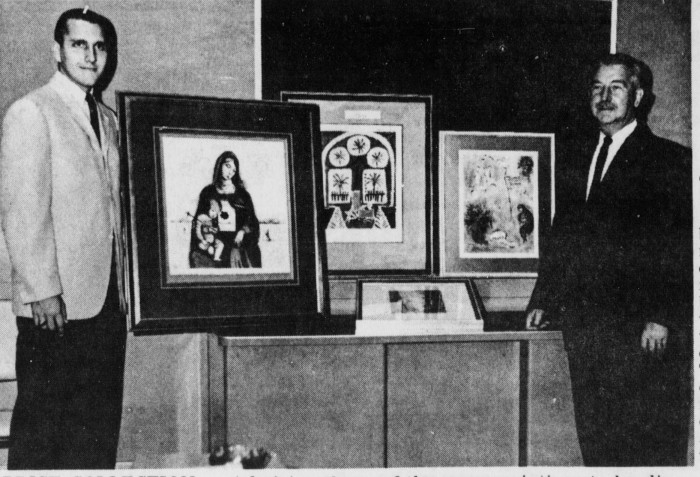
A couple of interesting innovations arrived in 1965. The Torrance Sears became the chain’s first store to offer a home decorating service to consumers in July. And, in August, the store displayed actor Vincent Price’s collection of fine art, with more than 400 pieces by famous artists for sale.
As Sears soldiered on, the shopping center in which it was located underwent mammoth changes. The indoor Del Amo Fashion Square north of Carson St. opened in August 1971. The Del Amo Shopping Center, now known as Del Amo Center, began to be enclosed in 1977.
It had been purchased by The Torrance Company, who owned Fashion Square, with an eye toward uniting the two shopping areas into one gigantic megamall. Construction began in 1978, and the Del Amo Fashion Center was created in 1981 in the “marriage of the malls.”
As for Sears, the company reached its peak in the early 1970s. Soon after, it found itself challenged by a new wave of retailers, including Wal-Mart, Home Depot, K mart and Best Buy, who began eating away at Sears’ consumer base.
Thus began a slow decline in the company’s fortunes. In 1993, catalog sales were halted after that operation became unprofitable. In 2002, the company attempted to boost sales by selling Lands End apparel in its stores.
But the slide continued, and by 2010, the company no longer was turning a profit. Its stores began closing in 2017, and in 2018, the firm declared bankruptcy.
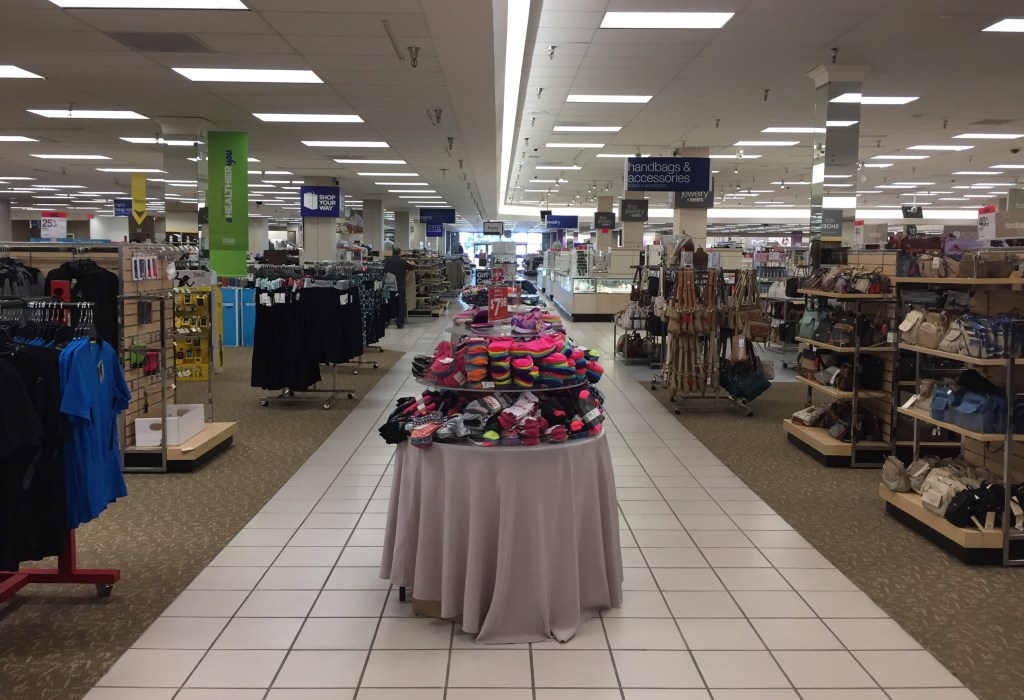
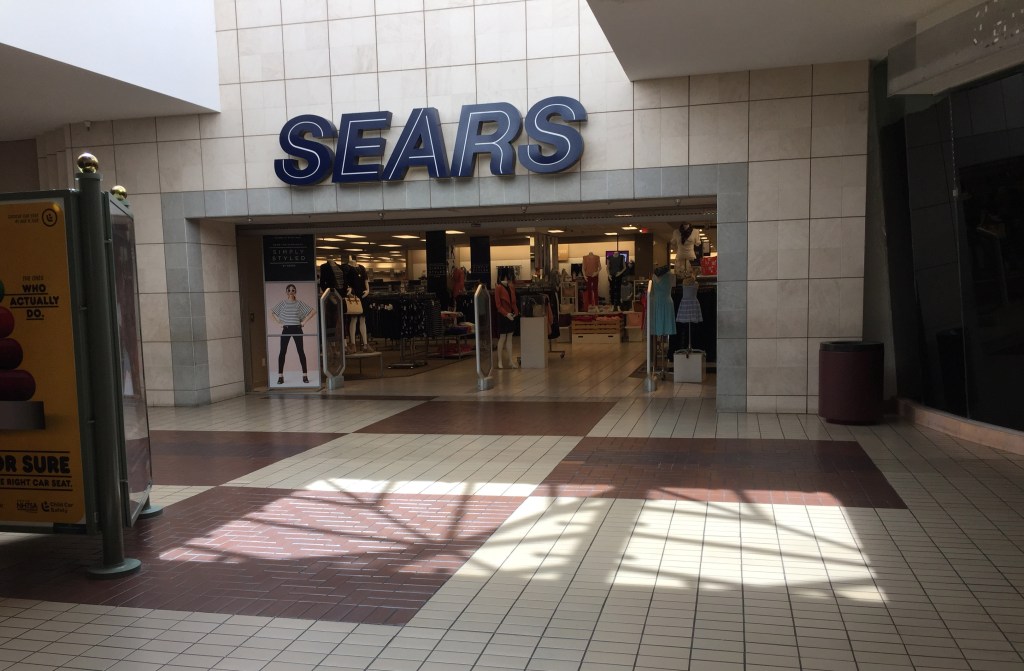
The Torrance store closed for good on Sept. 6, 2020.
A month later, Mayor Pat Furey acknowledged in his State of the City speech that Torrance is evaluating the large Sears site with an eye toward a possible mixed-use resolution, with the construction of a hotel or residential development on the south end of the mall a distinct possibility.
No official announcements verifying the site’s future have been made as of this writing.
Sources:
Daily Breeze files.
Los Angeles Times files.
Palos Verdes Peninsula News files.
Torrance Press-Herald files.